
Power Distribution Modules (PowerModule) replace traditional fuses and relays with solid-state control for race and custom builds. They streamline the wiring harness, add programmable circuits and alarms, and improve reliability. The range includes ASMoto PowerModule, membrane switch panels and wireless steering control (WSM). (Source: category page.)
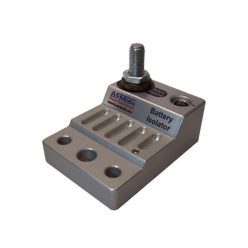

Net price: 337 €
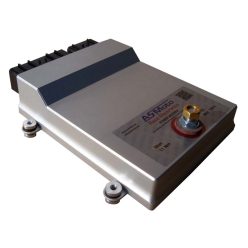
Net price: 1 216 €
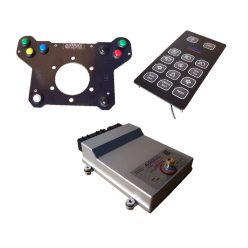
Net price: 1 683 €
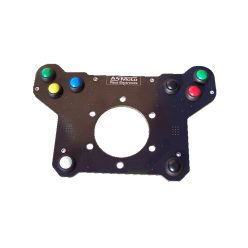
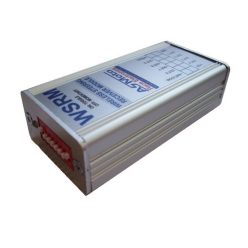
Net price: 127 €
Brief summary + key benefits
Power Distribution Modules (PDM) centralise vehicle power control with solid-state switching, replacing traditional fuses and relays. Benefits include programmable current limits, delays, auto-retry, event logging and compact wiring. Paired with a membrane switch panel or wireless steering module, they deliver clean ergonomics and faster fault finding for circuit, rally and endurance use.
Technical Basics
Modern PDMs use high-current MOSFET drivers with per-channel limit and trip logic. Control typically runs over CAN, allowing integration with the ECU, sensors and dashboards. Outputs may be low-/high-side; status feedback and diagnostics are built in. Solid-state hardware tolerates vibration and reacts in milliseconds, but requires proper thermal management. Features often include soft-start, load shedding during cranking, failsafe shutdown, timed after-run and user profiles (rain/qualifying/road stage).
Dimensioning: inventory all loads (fans, fuel pumps, lighting, data systems), record steady and inrush currents, then match channel ratings with 20–30% headroom. Use flyback protection for inductive loads if not integrated. Short, correct-gauge runs and clean grounding are essential. For redundancy, split twin pumps and twin fans across separate channels.
Human–machine interface: membrane panels give glove-friendly, labelled switching; wireless steering modules eliminate slip-ring cables but require attention to EMC and battery health. Clear channel naming, logging and export in the configuration app accelerate diagnostics in the pits.
Selection Criteria
Choose channel count and continuous/peak capability based on your discipline (track, rally, drift, touring). Prioritise CAN functions you need (dash integration, ECU triggers), software usability and available safety features (adjustable trips, auto-retry, fault memory). If you want minimal cabling, add a membrane panel; if you need wheel-mounted controls, pick a wireless steering module and receiver.
Plan the electrical architecture: star ground layout, protected feeds, segregated high-current and signal looms. Consider enclosure IP rating and thermal path; mount the PDM where airflow is adequate. For mixed road/track cars, create multiple profiles and bind them to dashboard buttons or steering inputs.
Installation & Maintenance
Before installation, map grounds and distribution points; crimp with quality tools, use heat-shrink and loom sleeves. Secure routing against vibration and chafing. Place the PDM where heat can dissipate; avoid blanketing the case. In software, set current limits, start-up delays and emergency shut-down logic, then validate with a staged power-up. Keep a printed channel map in the car.
In service, periodically re-torque ring terminals, run output tests (lamps, pumps), back up configurations and review the event log after any trip. If nuisance trips occur, lengthen delay or inspect the consumer. Update firmware when stability improvements are offered. After wet or dusty events, clean connectors and dry the panel area thoroughly.
FAQ
Q: Can a PDM replace all relays and fuses?
A: For most circuits yes, but starter and extreme peak loads need careful sizing and may remain on dedicated hardware per the maker’s limits.
Q: What happens on short-circuit?
A: The channel trips at the programmed threshold, logs the event and—if configured—retries before latching off.
Q: Do I need a separate switch panel?
A: A membrane panel or wheel-mounted wireless module provides clean ergonomics; a separate board is often unnecessary.
Q: Why is this better than relays/fuses?
A: Programmable protection, diagnostics, lower mass and faster troubleshooting—a tangible advantage in motorsport.
Q: How do I size channel currents?
A: Use the device’s nominal draw and inrush, then add 20–30% margin; for inductive loads include flyback protection and verify thermal limits.
(The category features ASMoto PowerModule, membrane panels and WSM/WSRM units—see the category page.)
