
Pit equipment (bokszfelszerelések) covers trackside and garage essentials that support trackside service tasks like lifting, moving, staging wheels and keeping the work area tidy.
As the range grows, use filters and sorting to match your use-case (dimensions, design, compatibility), then open product cards for exact details for quick selection and an organised workspace.
Verify exact dimensions and specifications on the product card; in-stock items dispatch fast within the EU. Before taking items to an event, check fasteners and contact surfaces for safe lifting in tight paddock spaces.
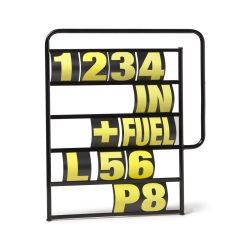
Net price: 88 €
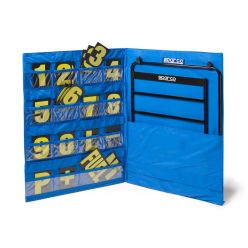
Net price: 237 €

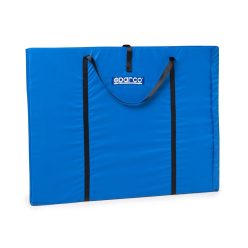
Pit Equipment: Stable, Organised Workflow For Garage and Trackside Use
This category brings together pit-lane style service gear, often searched as pit equipment, built to support a controlled workflow during wheel changes, inspections and quick setup adjustments.
The right setup helps reduce unnecessary strain, keeps movement around the car predictable, and supports component protection around vulnerable areas (brake lines, sills, diffusers and body edges) with a component-first mindset.
Technical background and system integration
Pit equipment typically relates to lifting, supporting, moving and storing, so floor condition, contact pad shape and handling ergonomics matter for stable support across repeated use.
At events you often work near heat sources (wheels, brakes, exhaust), where materials and grips can influence confidence and comfort in heat-adjacent handling.
- Contact pad: depending on design it may be shaped or replaceable to help spread load on the lifting point.
- Castors: wheel material and width can change how smoothly a trolley rolls on asphalt, concrete or paddock grating.
How to choose the right one
Quick selection guide: start with the task (wheel change, underbody check, storage, vehicle moving) and pick the design that fits your routine using task-led choice logic.
- Compatibility: confirm lifting point type, pad dimensions and lift range (common sizes may be listed in inches, with mm also useful) on the product card.
- Space: in a paddock tent, width, turning radius and stowage can matter more than anything else.
- Team use: clear markings and simple locking steps help when multiple people rotate through the same job.
If you’re building a broader service setup over time, standardise labels and storage positions to keep handovers smooth with an efficient handoff routine.
Installation and failure-prevention tips
Before first use, check bolts, locking pins, latches and free movement of rolling parts as part of a safety check habit.
- Floor: work on a flat, load-bearing surface and avoid slopes or loose grating where equipment can creep.
- Lifting point: support only at manufacturer-recommended points; if unsure, use model-specific guidance.
- Locking: for stands and supports, use the intended locking method and don’t rely on hydraulics alone.
A common issue comes from skipping a locking check or not fully seating the contact pad: under load you may feel a small shift or uncertainty; prevent it with a brief “shake test” and only then start the job.
Keep rolling surfaces and pads clean, because gravel and metal debris can mark wheels and pads and undermine surface protection over a long season.
PRO TIP: Make a simple “pit check” list (lifting point, locking pin, floor, clear path) and keep it on the trolley or storage so the routine stays consistent in a team.
FAQ
What is the most common failure or installation mistake?
Most problems are avoided with a short order of checks: confirm locking steps, confirm the contact pad is fully seated, then trial-load gently before committing to the full job. In team settings, assign one person to do the final check. When lifting points are unclear, use the vehicle documentation and the product card notes as your reference.
What’s the difference between trackside and workshop options?
Trackside setups often prioritise quick handling, compact storage and easy manoeuvring, while workshop use may lean towards day-to-day convenience and storage efficiency. Several designs can solve the same task, so match it to your routine and space.
How do I confirm I’m lifting or supporting in the right place?
Verify the manufacturer lifting points first, then confirm the pad sits flat and doesn’t slip. Avoid thin body edges and areas sensitive to heat or impact. If needed, choose an adapter or shaped pad that matches your vehicle’s lifting geometry.
What should I look for in a wheel trolley or dolly?
Consider the surface you’ll roll on (asphalt, concrete, paddock grating) and pick a wheel design that suits it. Check turning radius and how controllable it is in tight spaces. Use the product card for dimensions and compatibility notes.
How should I maintain pit equipment during the season?
Clean rolling parts and contact surfaces regularly and re-check locking hardware. If you notice unusual noise or binding, address it before the next session. Store items to avoid impacts and contamination between events.
