
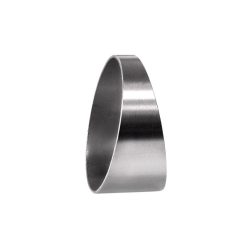
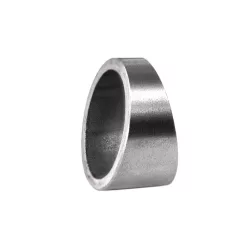
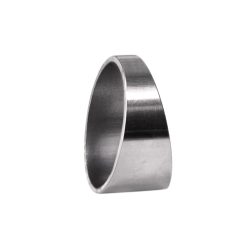
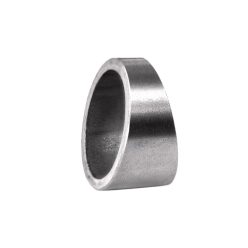
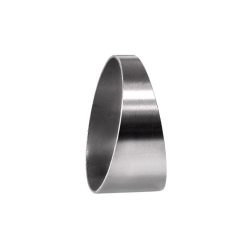
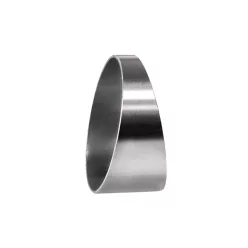
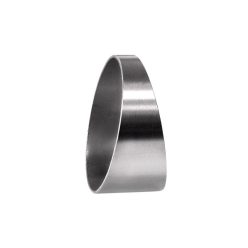
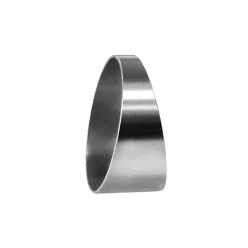
Pie-cut elbow sections are precisely cut tube wedges for TIG welding, allowing tight-radius, flow-friendly routing in intake and exhaust fabrication. We stock popular diameters (e.g., 42 mm, 63 mm, 76 mm) in stainless steel with typical 1.5–3.0 mm wall thickness options for robust, accurate builds.
Brief summary & key benefits
Pie-cut elbow sections let you create tight-radius bends where packaging is constrained while keeping flow smooth. By stacking small wedge segments you can tune the bend angle precisely. Stainless construction and typical 1.5–3.0 mm wall thickness deliver heat resistance and durability for street and motorsport. Common use cases include downpipes, mid-pipes, intercooler plumbing and compact intake routes, with sizes such as 42 mm, 63 mm and 76 mm.
Technical Basics
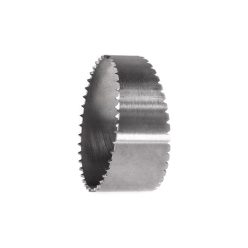
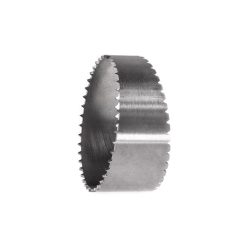
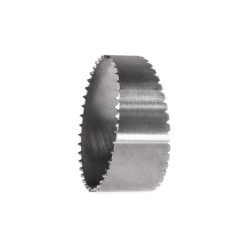
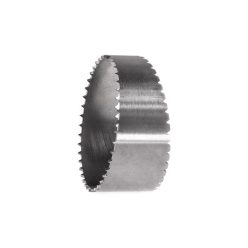
Each assembly uses equal-length stainless tube segments TIG-welded into a continuous bend. Typical wall is 1.5 mm, with 3.0 mm options for heavy-duty or high-heat sections. Popular diameters include 42 mm, 63 mm and 76 mm. Selected PRO variants feature a textured (micro-serrated) edge to aid alignment and reduce slipping during tack-welding. For best internal finish and flow, use back-purging to limit oxide on the root side of the weld.
Selection Criteria
Diameter: match engine output and the system section. Oversized intake tubing may reduce air velocity, while undersized exhaust raises backpressure. Wall thickness: choose 1.5 mm for general use, 3.0 mm for harsh duty. Segment count: more segments yield a smoother bend but add welds—balance packaging, flow and fabrication time. Material: stainless on the hot side; aluminium can be used for cold-side pipework (avoid mixing materials in the same bend). Finish: textured-edge (PRO) parts can speed up fabrication and improve positional repeatability.
Installation & Maintenance
Prep by accurately deburring and degreasing. Use a jig or magnets for consistent alignment; tack all around to minimise pull. During TIG welding, employ back-purging (argon) to keep the inner bead smooth. Allow gradual cooling to prevent distortion. Leak-check with smoke or pressure testing; after initial heat cycles, re-torque clamps and inspect hangers. Periodically inspect weld toes and nearby heat shielding for fatigue or contact marks.
FAQ
When should I use pie-cuts instead of a premade elbow?
When space is tight and you need a compact bend with fine control over the exact radius and direction.
Are the many welds a durability concern?
With proper technique and purging, the multiple circumferential welds create a stiff, reliable structure.
Which sizes are available?
Common options include 42, 63 and 76 mm; choose to match the rest of your system.
What wall thickness should I pick?
1.5 mm suits most builds; 3.0 mm is advisable for extreme heat or heavy-duty sections.
Is it suitable post-turbo?
Yes—stainless with correct welding handles high temperatures well.
Do you offer PRO variants?
Yes—select items feature a textured edge to aid positioning during assembly.
