
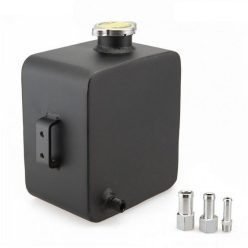
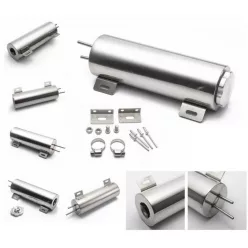
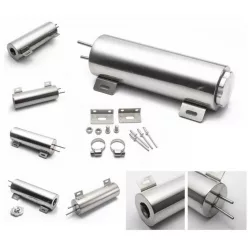
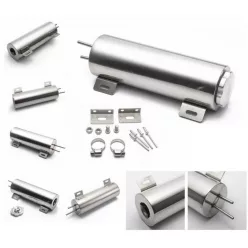
Performance coolant and expansion tanks (header tank) manage reserve coolant volume, bleeding points and level changes caused by heat expansion, helping the cooling circuit stay easier to inspect and package. That makes coolant control more predictable in custom and track-focused builds.
Choose by tank volume, port size in mm or inch, cap layout and the space available around the radiator, bulkhead or strut tower. Verify exact dimensions and specifications on the product card; in-stock items dispatch fast within the EU.
A good result depends on mounting height, hose routing and the role the tank has in your system, so match the part to the real bleed and return path. Correct routing helps reduce trapped air and makes later checks quicker from the product page and filter view.
Net price: 22 €
Net price: 27 €
Net price: 29 €
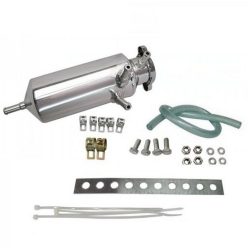
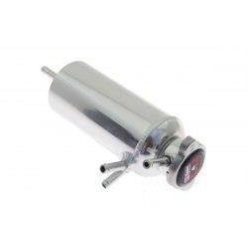
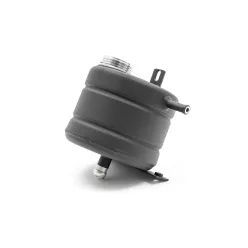
Net price: 307 €

Net price: 108 €
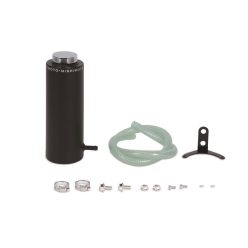
Net price: 108 €
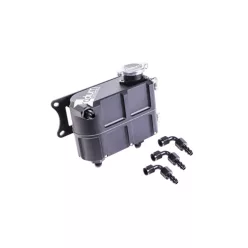
Net price: 374 €
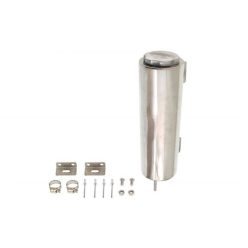
Net price: 20 €
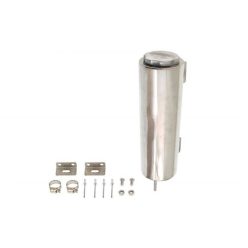
Net price: 20 €
Performance Coolant & Expansion Tanks for Stable Coolant Management and Cleaner Packaging
In motorsport and custom road builds these parts are also searched as coolant reservoirs (expansion tank); their job is coolant control, tracking volume change caused by heat and making the cooling circuit easier to inspect. The right tank works with the radiator, return line and available engine-bay space rather than acting as a cosmetic add-on.
Technical background and system integration
System role: an expansion, overflow or bleed tank can help organise how coolant level changes are handled, where air is released and how easy the cap area is to service. That matters on trackday cars, engine swaps and tighter bays where hose routing and access often become part of the challenge.
Material choice: this category includes aluminium and stainless options, plus different shapes for universal installation. Material is only one part of the decision; bracket rigidity, weld quality, finish and proximity to heat or vibration all affect how well the tank suits the build.
Cap layout: not every tank is intended to do the same job, so check whether the part is meant to serve as a true expansion tank, an overflow solution or a bleed point in your system. The cap neck, return path and top hose position all influence how the setup behaves once heat cycles begin.
How to choose the right one
Quick selection guide: first decide whether you need an expansion tank, an overflow tank or a bleed/header-style solution, then match capacity, port count and mounting height to the real layout of the car. On this page, filters help narrow by brand and price, while the product card is where you confirm exact sizing, port arrangement and cap style.
- Capacity: choose enough reserve volume for the system without taking up unnecessary room in the bay.
- Port size: match the hose inner diameter in mm or inch to the existing plumbing instead of choosing by outer tank size alone.
- Mounting height: leave sensible access for the cap, level checks and bleeding once the rest of the hardware is installed.
- Tank style: cylindrical, oval and compact shapes each suit different brackets, surrounding pipes and packaging limits.
Product card: when two options look similar on paper, decide by port layout, neck design and actual installation space, because the same nominal volume can behave differently with another hose path.
Installation and failure-prevention tips
Preparation: mount the bracket to a stable surface, check hose fall and make sure the hose is not pre-loaded at the port. Degrease using a manufacturer-recommended cleaner, then allow to dry completely before applying load/boost. Tighten clamps progressively, then re-check fittings and coolant level after the first full heat cycle.
Common issue: if the tank sits too low, the return hose rises and falls sharply, or the cap neck is not sitting square, air can remain trapped in the system; symptoms may include a wandering level, occasional gurgling or marks around the cap area. Prevention starts with better mounting position, cleaner hose routing and another cold-state level check after bleeding.
Mounting: for track use or harder road use, avoid leaving the tank on a long flexible tab and keep it away from shrouds, heat shields and moving parts. Good installation is not only about reducing seepage risk; it also makes later inspection and service much quicker.
PRO TIP: Mark your cold reference level on the tank or next to the bracket, so a later inspection shows much faster whether the system behaviour has changed.
FAQ
What is the most common failure or installation mistake?
Start by checking the cold fill level and the cap sealing surface, then look for clamp marks, hose kinks and whether the tank really sits relative to the intended high point. If the level settles somewhere different after every heat cycle, review bleeding steps and hose routing before blaming the tank itself.
What is the difference between an expansion tank, an overflow tank and a bleed tank?
An expansion tank deals with coolant level change caused by heat, an overflow tank mainly collects and manages expelled fluid, while a bleed tank helps release air from a high point in the circuit. Universal aluminium tanks can look similar, but the neck, ports and plumbing layout decide which role they suit.
Should I choose aluminium or stainless?
Aluminium is often light and available in many shapes, while stainless may better suit certain bay layouts or visual goals. Do not decide by material alone; bracket design, weld finish, port arrangement and cap compatibility matter just as much.
How do I know the chosen size is enough?
Measure the available space, review hose length and decide how important visible level checking is in the finished bay. In very tight packaging, the right shape and service access often matter more than nominal capacity alone.
What post-install checklist should I follow?
With the engine cold, check level, cap seating and every connection by touch, then look for dried coolant traces and confirm the tank or hose cannot rub another component. Repeat the same checks after a full warm-up and cool-down, then inspect again after a few uses.
