
Other silicone hoses (silicone hose) are for the odd diameters and shapes you need on custom boost, vacuum, coolant and intake setups when a standard elbow or reducer won’t sit right.
Pick by inside diameter (ID), required length and accurate fitment on the spigot; clamp style and a beaded end often help the joint stay more stable through vibration and heat cycles.
Use filters to narrow by size and use-case, then open the product card for exact details; clean mating surfaces and secure clamping matter most. Verify exact dimensions and specifications on the product card; in-stock items dispatch fast within the EU.
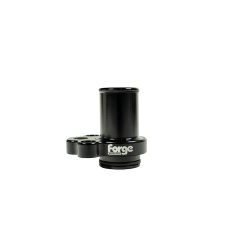
Net price: 73 €
Net price: 30 €
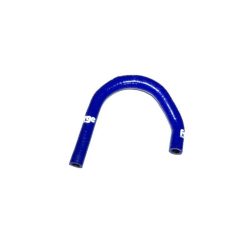
Net price: 32 €
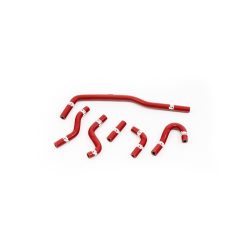
Net price: 39 €
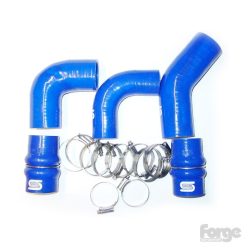
Net price: 99 €
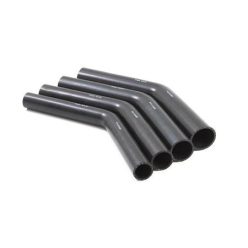
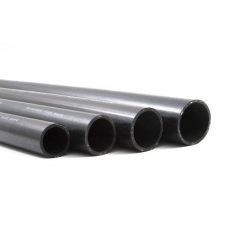
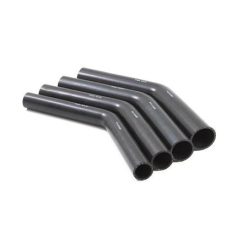
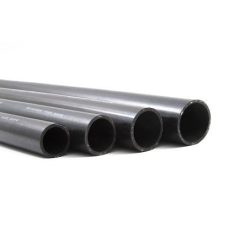
Other Silicone Hoses – For Special Diameters, Short Runs and Tight Engine Bays
This range covers silicone hose pieces that builders often look up as silicone hose options for non-standard diameters, short couplers, vacuum branches or awkward routing where engine movement and packaging make rigid connections less forgiving.
Used correctly, they can help with stress relief between moving components and reduce the chance that hard parts take all the vibration load, while the final sealing quality depends on sizing, surface prep and clamp choice.
Technical background and system integration
Silicone hose is typically chosen where you need thermal movement tolerance and compliance, such as between charge pipes, coolant stubs or auxiliary vacuum take-offs, especially on modified engine bays.
A beaded spigot and the right clamp width can improve how consistently the hose sits under load, because the bead helps retention and the clamp spreads force more evenly over the sealing area.
Fluid compatibility is application-specific: air, coolant and vacuum use-cases are common, while oil exposure or fuel contact should be judged from the product card and the manufacturer’s guidance rather than assumptions.
- ID/OD: Inside diameter and wall thickness together affect how the hose seats and which clamp styles make sense in the available space.
- Reinforcement: Depending on version, a fabric-reinforced construction (including aramid-type options) can change shape stability and handling during installation.
- Routing: Bend radius and length matter; avoiding kinks helps flow and reduces side-load on the joint.
How to choose the right one
Quick selection guide: Measure the spigot outside diameter, decide whether you need a straight joiner, a short bridge or a hump-style coupler, then filter by size and check the product card for ID, lengths and material notes.
If you are looking for classic elbows, reducers or joiners, check the Silicone hoses and accessories main category for more standard shapes.
- Size: Confirm ID, wall thickness and available clamp space; tight bays may limit clamp choices.
- Shape: Straight, gentle-bend and hump couplers behave differently when the engine rocks under load.
- Use-case: Boost, vacuum and coolant lines can place different demands on the hose; follow the product card guidance.
- Clamps: A wider, smooth band often treats silicone more gently; match clamp type to hose thickness and spigot geometry.
Installation and failure-prevention tips
Dry fit first: Test seat depth, ensure a square cut, and deburr sharp edges on the mating stub so the inner surface is less likely to get nicked during clamping.
Degrease using a manufacturer-recommended cleaner, then allow to dry completely before applying load/boost, and avoid petroleum-based sprays or aggressive solvents (such as brake cleaner) because they can reduce friction and affect sealing behaviour.
Common failure: If a clamp has sharp edges or is over-tightened, it can cut into the silicone under the band and later cause weeping; prevent this by using a smooth, adequately wide clamp, placing it correctly on the spigot, and re-checking clamp tension after heat cycling.
PRO TIP: Plan clamp access before final cutting—if you can’t reach the clamp for a re-check, it’s worth adjusting hose orientation or length while it’s still easy to move.
FAQ
What are “other silicone hoses” used for?
They are for special diameters and shapes that solve specific packaging or routing issues on modified setups. Typical areas include boost plumbing, auxiliary vacuum lines and coolant connections. Always confirm the exact spec on the product card for your use-case.
How do I confirm the correct inside diameter (ID)?
Measure the spigot outside diameter and match it to the hose ID stated on the product card. Consider wall thickness and clamp space, as these affect real-world fitment. When in doubt, follow the manufacturer notes for the specific hose type.
Silicone hose vs rubber hose: which should I choose?
Silicone is often preferred when you want compliance for movement and heat cycling, or when you need uncommon shapes and sizes. Rubber may suit OEM-style layouts or certain media better depending on specification. Let the application, medium and product data decide.
What is the most common installation mistake, and what should I check?
Check that the hose is fully seated, the cut is square, and the clamp is positioned on a proper sealing area rather than on an edge. Confirm clamp band width suits the hose thickness and that you can access it for a follow-up check. After initial heat cycling, inspect and re-check as needed.
Can I cut silicone hose to length?
Yes, but use a sharp blade and a guided cut to keep the end square and clean. Avoid tearing motions that can damage the inner surface. Mark length after a dry fit, then cut once to the final dimension.
