
Oil Cooler Fittings includes 12 TURBOWORKS aluminium oil cooler hose ends, typically in AN6, AN8 and AN10 sizes with an M22 connection. You will find both straight and 90° options, plus push-on and swivel versions to help you route cooler lines cleanly and keep servicing straightforward.
If you need a different fitting family, go back to Fittings and Threaded Adapters. Use the Size filter, sort the list, then open the product page to confirm the interface and hose compatibility. Choose the correct oil cooler fitting and place your order.
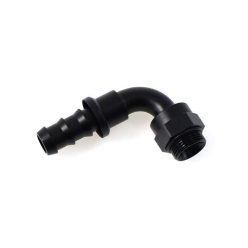
Net price: 19 €
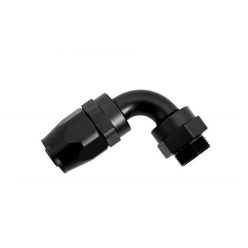
Net price: 20 €
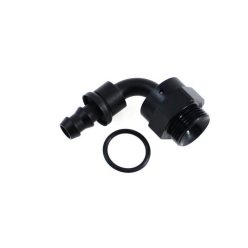
Net price: 15 €
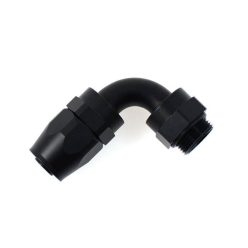
Net price: 16 €
Net price: 17 €
Net price: 18 €
Net price: 7 €
Net price: 10 €
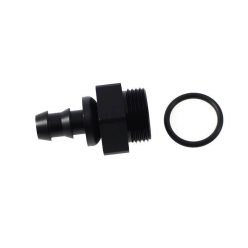
Net price: 5 €
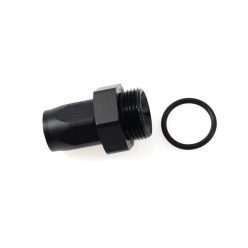
Net price: 8 €
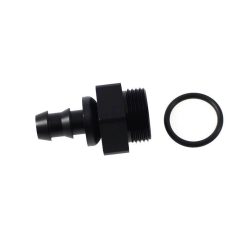
Net price: 6 €
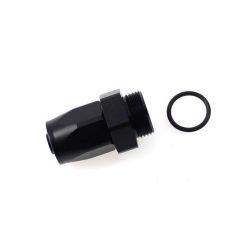
Net price: 9 €
Oil Cooler Fittings – AN6/AN8/AN10 hose ends for M22 connections, tidy oil routing and easy servicing
Oil Cooler Fittings is built for assembling a clean, service-friendly oil cooler line (cooler line) using consistent interfaces. The category lists 12 items, all from TURBOWORKS, centred around an M22 connection paired with an AN side for your hose routing.
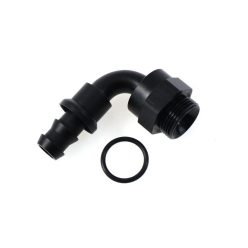
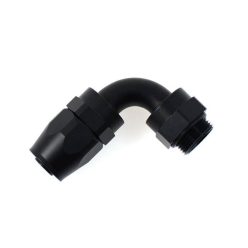
The range covers straight and 90° (elbow) designs, plus both push-on hose ends and swivel versions. This matters when packaging is tight, when you want to avoid side-loading the joint, or when you want a hose end that is easier to align during installation.
According to the product description, these are aluminium oil cooler fittings and are stated as usable for oil, water and fuel systems, and for use with rubber and nylon hoses. For any critical application, base your final choice on the exact product page details and your own system’s fluid, temperature and hose specification.
Technical Basics
On the AN side, sealing is typically made on a 37° flare seat rather than on the thread. If a joint weeps, the common causes are a contaminated or damaged seat, or a size mismatch, not “missing thread sealant”.
These hose ends are listed with an M22 connection, so the mating component must also be M22 (for example on an oil cooler port or an adapter). One short warning: if pitch or sealing style is unclear on the receiving side, do not force the thread—damaged threads can turn into persistent leaks later.
Push-on hose ends rely on the hose being pushed fully onto the barb and secured per the hose manufacturer’s method, while swivel hose ends can make alignment easier during installation. In both cases, correct hose type and routing are part of reliability, not an afterthought.
Selection Criteria
Start with the AN size: this category includes AN6, AN8 and AN10 options. Match the size to your existing hose ends and keep the interface consistent across the full chain (hose, hose end, adapters, mating fitting) to avoid fitment and sealing issues.
Next, choose geometry: straight or 90°. A 90° elbow can reduce hose kinking and improve routing in a tight bay, while a straight hose end may offer simpler access and a cleaner run depending on where the cooler sits.
Finally, pick the build style: push-on vs swivel. If you frequently service the setup or the hose angle is difficult to set, a swivel can reduce hose twist during assembly, provided the hose and retention method are correct for your application.
Installation & Maintenance
Clean mating surfaces before assembly and confirm the receiving port’s M22 thread is undamaged. On the AN side, protect the 37° flare seats from nicks, because that is where the seal is made.
With push-on fittings, push the hose fully home and secure it as specified for that hose type. With swivel hose ends, avoid routing that side-loads the joint, as vibration and hose tension can lead to loosening or weeping over time.
After installation, leak-check at operating temperature, because small seeps often show only once the oil is hot. If the system is dismantled regularly, careful cleaning and protecting sealing faces is usually more effective than repeated tightening.
FAQ
Which AN size should I use for an oil cooler: AN8 or AN10?
This category offers AN6, AN8 and AN10, so the correct choice is the one that matches your existing hose ends and the rest of your fittings. Keep the AN size consistent across the full connection chain. If you are unsure, verify your hose and hose-end markings before ordering.
What does “push-on” mean on an oil cooler hose end?
Push-on means the hose is pushed onto the barb and retained using the correct method for that hose specification. Hose type and condition matter, because the joint depends on proper engagement. Always push the hose fully onto the fitting.
What is the difference between a swivel and a fixed hose end?
A swivel hose end can rotate for easier alignment during assembly, reducing hose twist. A fixed hose end sets the orientation by how it tightens in place, which can be less convenient in tight packaging. Choose based on access and the routing angle you need.
What should I check on an M22 connection?
Confirm the mating port is also M22 and that the sealing style matches the fitting. Do not force the thread if it does not start smoothly by hand. If the receiving component spec is available, use it to verify thread and sealing details.
Can these fittings be used for water or fuel lines as well?
The product description states the TURBOWORKS aluminium fittings are usable for oil, water and fuel systems and for rubber and nylon hoses. Final suitability still depends on your fluid, temperature and hose specification. For critical use, rely on the specific product page data.
Filter by AN size and design, confirm the M22 interface on the product page, and order the oil cooler fitting that matches your setup.
