
Our Miscellaneous Accessories bring together the extras that complete your build: sensors, mounting brackets, cables, adapters, signal conditioners, connectors and fasteners. Use them to finish installs cleanly and safely, or to service existing systems. Choose by application, environment and required interface to keep everything reliable on road and track.
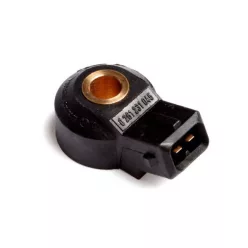

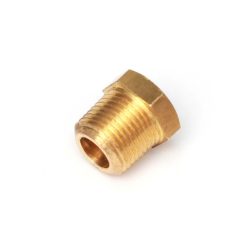

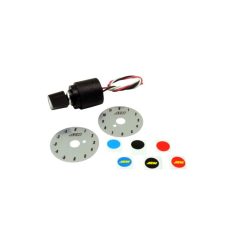
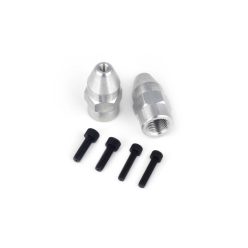

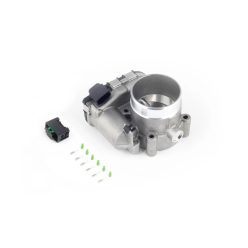
Net price: 244 €
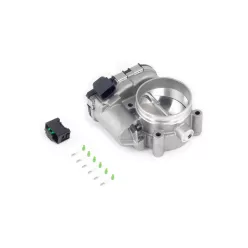
Net price: 244 €

Net price: 244 €

Net price: 244 €

Brief summary & key benefits
Miscellaneous Accessories are the finishing tools for dependable builds: sensors (MAP/ECT/EGT/pressure), extension cables, ECU/dash brackets, conditioners, connectors and protection hardware. They improve reliability, serviceability and presentation—less troubleshooting, more laps.
Technical Basics
Sensors: pick analogue, frequency or CAN types to suit the ECU. Check range, supply, output scaling and thread (e.g., 1/8" NPT). Heat and response time matter for accurate data.
Cabling & adapters: use shielded twisted pairs for signals; size power leads by mm², temperature and run length. For CAN/OBD-II maintain correct termination (120 Ω) and keep T-branches short.
Mounting hardware: rigid yet vibration-damped brackets protect ECUs/dashes/sensors. Laser-cut, anodised mounts speed installation and keep alignment repeatable.
Protection & fasteners: heat sleeves, braid and heatshrink prevent abrasion; P-clips and rivnuts secure routing. In exposed areas use sealed components with proper IP ratings.
Selection Criteria
Compatibility: confirm thread, connector and signal type (voltage, frequency, CAN). Prefer parts with ready datasheets and scaling presets in your ECU software.
Environment: engine-bay parts need higher temperature tolerance, sealing and corrosion-resistant finishes. Isolate sensitive devices with rubber mounts where needed.
Serviceability: pre-wired pigtails and adapters cut installation time and reduce errors. Leave harness slack for service and keep connectors accessible.
Calibration & documentation: choose sensors with published curves (NTC, mV/Bar) and pinouts. Missing documentation increases risk and setup time.
Installation & Maintenance
Create a wiring diagram and mounting plan first. Separate signal lines from high-current routes, protect bulkhead passes with grommets and sleeve the loom. Torque sensors correctly and check for leaks and noise on first start. After initial heat cycles, re-torque brackets and review logs. Periodically inspect chafe points, seals and earths.
FAQ
Which pressure sensor range should I pick?
One that covers the operating range with headroom—avoid sensors that run at their limit.
How do I reduce noisy signals?
Use shielded cable, separate sensor ground, correct termination and short branches; check for ground loops.
Where should main fuses/distribution sit?
Near the source (battery/master) to protect the entire run.
Do I need a dedicated ECU bracket?
Yes—stable, vibration-resistant mounting improves reliability and service speed.
