
Mechanic & pit crew gloves (mechanic gloves) are built for workshop and service tasks where hand protection still needs to work with secure grip and controlled tool feel.
Choose by fit, palm material and wrist closure: a close fit supports more precise work, while a reinforced palm may cope better with repeated tool use. As a preventive step, avoid excess finger length or a loose strap, because both can reduce feel during fast jobs.
Use the filters by size and colour, then open the product card to confirm the exact material and construction details. Verify exact dimensions and specifications on the product card; in-stock items dispatch fast within the EU.
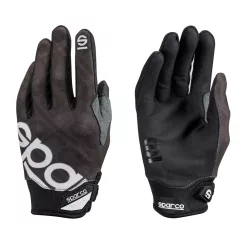
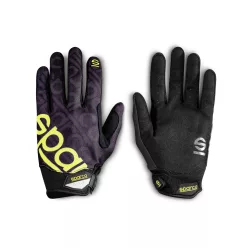
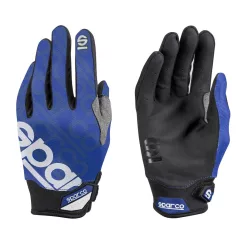
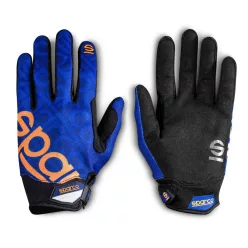
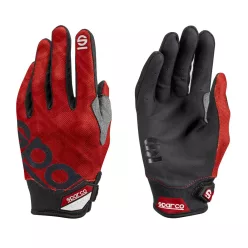
Mechanic & Pit Crew Gloves for Precise Workshop and Pit Service Work
This glove category is aimed at workshop and pit service use where hand protection still needs to support hand control during tool handling, quick checks and parts movement. A mechanic glove is usually not a fire-resistant driver glove; it is a task-focused work glove that tries to balance feel, grip and support around the main wear points.
Different job means it should be considered separately from race driver gloves: here palm material, finger construction, thumb-to-index reinforcement and wrist fastening are often more relevant than driver homologation. In workshop and pit use, that can help reduce slip on frequently handled tools and parts.
Technical background and system integration
Palm material matters because synthetic leather is often chosen to combine grip with usable feedback during hand-tool work. Thickness alone does not decide suitability; what matters is whether the glove still lets you judge pressure and position during longer sessions.
Reinforced zone between the thumb and index finger is useful because this area sees repeated load during tightening, lifting and quick service movements. If that section feels too stiff or too weak, comfort and control can both suffer.
Breathability and back-hand flexibility become more important when the gloves are used for more than a short task. Finger inserts and a flexible upper can help the hand move more naturally over a longer workshop shift.
- Grip: palm surface and texture influence how stable the tool feel remains.
- Feel: an overly thick or loose build can dull fine feedback.
- Wear points: reinforcement around high-contact areas may help manage surface abrasion.
How to choose the right one
Quick selection guide: narrow the list by size first, then check palm material, wrist closure and whether the glove has reinforcement at the points that usually see the most load. Use filters, then read the product card to compare construction details with the job you have in mind.
Fit is right when there is no spare length at the fingertips, the palm does not bunch up, and the glove does not pull uncomfortably when you close your hand. Too much room can reduce precision, while an overly tight glove may become tiring sooner.
Wrist closure should hold the glove in place without restricting natural wrist movement. On the product card, check the material mix, reinforced areas and upper construction before deciding between two similar options.
If you want to review the full glove range first, start from the main race gloves category and then narrow the selection down to mechanic and pit crew models.
Installation and failure-prevention tips
First test should be done with clean, dry hands: grip several tools, then flex your fingers and wrist through the movements you actually use. That gives a better read on seam placement, strap position and palm behaviour than a simple try-on.
Common mistake is checking the glove only at rest and not under load: with extra finger length or a misaligned wrist strap, the palm can rotate slightly, tool feel may become less consistent, and the thumb-to-index area can wear sooner than expected. To prevent that, test the chosen pair with a closed fist, twisting motion and wrist flex before first use.
Care matters after use as well, so let the gloves air naturally and store them only when dry. Solvent-based or petroleum-based products can alter surface feel or grip, so it is better to follow the manufacturer care guidance for the specific model.
PRO TIP: If you are between sizes, do not judge the fit with a flat hand only; simulate spanner, ratchet and quick-fastener movements as well, because real grip positions reveal fit better than a static try-on.
FAQ
What are mechanic & pit crew gloves used for?
They are meant for jobs where hand protection still needs to work with precise grip and controlled tool handling. Typical use includes workshop work, quick inspections, wheel and parts handling, and general pit support tasks.
What is the difference between mechanic & pit crew gloves and FIA race gloves?
Mechanic gloves are primarily chosen for grip, wear-point support and hand control during service work. FIA race gloves are built for driving and fire-resistant layer construction, so the two categories should be selected for different roles.
What is the most common failure or installation mistake?
First check whether the fingertips are too long, the wrist strap closes centrally, the palm bunches when gripping, and the thumb-to-index seam pulls under load. If those points look fine, compare the next size or a different palm layout before assuming the model itself is wrong.
How tight should the gloves fit?
They should feel close enough that the palm does not shift and the fingertips do not float, but not so tight that full finger and wrist flex becomes restricted. The right fit is usually clearest once you grip real tools rather than judging by standing still.
When should I replace them?
If the palm becomes polished smooth, the reinforced zone thins out, the seams start to pull, or the wrist closure no longer holds consistently, it is worth looking at a new pair. Replacement timing also depends on how often the gloves are used in oily, dusty or repetitive work.
