
Our Keychains keep your keys organised and easy to spot—on the road and every day. Pick from metal, silicone, textile or leather-look options with split rings or quick-release clips. High-contrast graphics make identification simple, while robust materials resist pocket wear. A practical gift for any enthusiast.
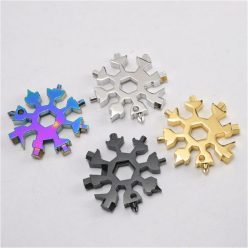

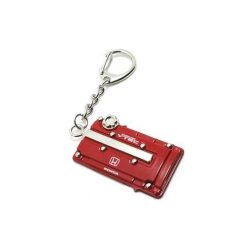


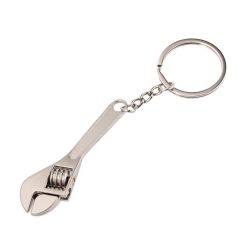
Brief Summary & Key Benefits
Keychains keep sets tidy, reduce scratches inside pockets and bags, and make vehicle keys faster to identify. You’ll find classic metal bodies with split rings, lightweight silicone or textile loops, and leather or leather-look pieces. Connection options include split rings, carabiners and quick-release couplers for instant separation—perfect for handovers, workshop visits or track days. High-contrast graphics aid visibility, while rounded profiles protect trims.
Technical Basics
Metals (stainless steel, zinc alloys) offer precise machining, hardness and wear resistance; coatings such as chrome or PVD improve corrosion resistance. Silicone/TPU straps remain flexible in the cold and reduce rattling against dashboards. Woven nylon/polyester webbing is light yet strong; tighter weaves resist abrasion. Leather and leather-look versions add an elegant feel and develop a natural patina over time.
Connectors: a split ring is the most secure general-purpose solution, while spring carabiners enable rapid clipping—spring quality is crucial. Quick-release couplers use two halves that lock positively; detach the car key with one hand and leave house keys behind. Surface finishes (anodised-look aluminium, chrome, PVD) increase durability and style.
Ergonomics & protection: rounded edges and softer covers minimise scuffing in pockets and on centre consoles. Wider textile loops distribute load and are comfortable on the wrist. Bright colours, bold graphics and reflective threads make keys easier to locate in low light. Longer loops improve handling with gloves.
Common pitfalls: overloaded key sets place strain on ignition barrels; thin rings can spread under load; poor carabiners can unhook under side force. Choose quality hardware, keep items sensible in number and inspect occasionally.
Selection Criteria
Use case: for everyday EDC, soft textile or silicone loops are quiet and pocket-friendly. For workshop/track, a quick-release saves time—detach the vehicle key instantly for service. For formal settings, leather/leather-look with a discrete logo is ideal. When gifting, pick classic colours that suit most styles.
Size & weight: a 25–32 mm split ring fits most keys. Typical loop length is 8–15 cm; wrist loops are comfortable around 16–20 cm. If your key fob uses an immobiliser or remote electronics, avoid strong magnetic closures to prevent interference.
Durability: look for burr-free machining and adequate thickness on metal bodies. On webbing, search for bartack reinforcements at stress points; on silicone, a homogeneous compound that won’t crack. Decoration durability varies—embroidery is hard-wearing, screen print offers bold coverage, and heat-transfer prints provide fine detail but dislike high heat.
Safety & comfort: long loops may snag on levers or column shrouds; compact setups are better while driving. Riders and cyclists will appreciate low-profile designs that don’t dig into pockets. If you manage multiple vehicles, colour-code or pick distinct icons to avoid confusion.
Installation & Maintenance
Assembly: open a split ring at the thin end and thread the key around the coil—avoid levering it wide, which deforms the ring. On carabiners, ensure the gate spring closes fully and that there are no burrs. For quick-releases, test the latch and keep it free of grit or metal shavings.
Cleaning: wipe metal bodies with mild soapy water and dry with a soft cloth; avoid harsh abrasives on coated parts. Hand-wash textile/nylon webbing and air-dry in the shade; tumble dryers can damage stitching. Clean silicone loops with lukewarm water and a neutral detergent; treat leather with a suitable conditioner.
Use tips: split heavy sets into a primary ring and a secondary loop for rarely used keys. At a track day or during servicing, a quick-release lets you keep only the car key—reducing loss risk. If keys rattle against the dash, switch to a soft strap design.
Note: excessive key weight can stress modern ignition switches—keep total mass reasonable and avoid multiple decorative charms.
FAQ
Q: Which material lasts longest?
A: Metal bodies and dense nylon webbing endure most abuse; silicone is quieter and surface-friendly.
Q: Are magnetic closures safe for car keys?
A: Prefer not—some immobiliser systems can be sensitive to strong magnets.
Q: What ring size is best?
A: A 25–32 mm split ring suits most keys; add a second ring for larger sets.
Q: How do I clean leather keychains?
A: Use a damp cloth and leather conditioner; avoid soaking and direct sunlight.
Q: My carabiner opens by itself—what now?
A: Check the gate spring; if it’s loose or deformed, replace the connector with a higher-quality unit.
