
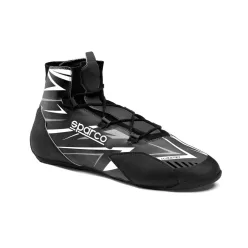
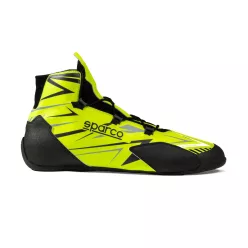
Karting shoes (kart boots) are driver shoes tuned for pedal feel, ankle support and protection in high-wear zones. In this category you can compare adult and youth sizes, FIA-oriented options and lace-up designs, so selection is not just about size but also sole feedback and how naturally the ankle moves.
Use filters by size and colour, then open the product card to confirm the standard, upper material and sole construction. Verify exact dimensions and specifications on the product card; in-stock items dispatch fast within the EU.
During fitting, wear your race socks and check heel hold; a shoe that feels too loose or too padded can dull pedal feel and reduce consistency.
Net price: 172 €
Karting shoes: pedal feel, support and wear-zone protection
Category focus: This range centres on driver footwear developed for karting use; across the wider market you will often see the same product type described as kart boots. The right choice helps keep the foot stable in the shoe, allows natural ankle movement and preserves the feedback you rely on during repeated brake and throttle inputs.
Technical background and system integration
Pedal interface: A karting shoe does more than cover the foot. It affects how clearly you read the pedal, how smoothly you release pressure and how consistent your foot position feels over repeated laps.
Ankle support: A higher-cut upper and correctly adjusted lacing work best when they hold the foot securely without making the ankle feel locked. That balance matters when you need short, repeatable pedal movements and stable feedback rather than excess movement inside the shoe.
Upper construction: In this category you may see details such as microfiber leather uppers, breathable linings and reinforced wear zones. Those features can influence long-session comfort, foot hold and how the shoe copes with repeated contact around the toe and heel areas.
Sole behaviour: The sole is not only about grip; it also shapes how the foot rolls across the pedal and how much feel reaches the driver. A sole that suits your driving style can make modulation feel more predictable, especially in tight inputs.
- Sizing: choose from the size information on the product card and test fit with the same socks you use for practice or racing.
- Standard: if FIA-oriented construction matters to your use case, confirm the exact standard and homologation details on the individual product page.
- Wear zones: check toe, heel and side reinforcements, because these areas often reveal the intended use and support character of the shoe.
- Use case: for both youth and adult drivers, fit is about more than length; heel hold and forefoot stability matter just as much.
How to choose the right one
Fit logic: On a product-list page, first narrow the range with size filters, then compare the upper material, sole construction, standard and intended use on each product card. The right size should work in length, heel retention and forefoot control, not in just one of those areas.
Youth or adult: for a younger driver, do not rely only on everyday shoe size. Karting footwear needs stable foot hold, clean pedal feel and suitable ankle support, so a dedicated youth size run is often a better starting point than moving into an oversized adult model.
Filters: size and colour filters usually get you to the shortlist fastest, after which the product card helps you compare lacing, lining, reinforcement layout and sole character in more detail.
If you want to review the wider racing shoe assortment first, the parent category is the practical place to compare use cases and construction styles before returning to kart-specific models.
Installation and failure-prevention tips
First fitting: check the shoe while standing, with knees slightly bent, and also while mimicking pedal movement. If the heel lifts, the forefoot moves sideways or the ankle crease develops a pressure point, the fit or lacing still needs adjustment.
Lacing: tighten from the lower eyelets upward in an even sequence so the foot stays secure without feeling compressed. Laces that are too loose can make pedal feedback less precise, while an overly tight setup may become distracting during a longer session.
Common mistake: the issue is often not the material itself but an inaccurate fitting routine or uneven lace tension: the heel starts to move, the foot works diagonally inside the shoe, pedal feel becomes less consistent and wear may show sooner around the toe area. You can reduce that risk by fitting with your race socks, tightening progressively and checking support again while simulating your driving position.
PRO TIP: after fitting, look at foot height on the pedal as well as comfort; if the shoe changes how high your foot sits, fine modulation may feel different from what you are used to.
FAQ
How is a karting shoe different from a general racing shoe?
Karting shoes usually place more emphasis on direct pedal feedback, ankle stability and reinforcement in the zones that see repeated kart use. The exact balance still depends on the model, so compare the sole, reinforcement layout and standard on the product card.
What is the most common failure or installation mistake?
Run a four-point check: heel lift during walking or crouching, side movement across the forefoot, pressure at the ankle crease and whether foot roll still feels natural in a pedal motion. If one point feels off, recheck the lacing with your race socks and compare the fit against the product-card details before deciding.
Does it matter whether I choose a youth or adult model?
Yes, because size runs, internal proportions and foot support can differ. For a young driver, a dedicated youth size is often a better fit baseline than leaving extra room in an adult shoe.
What should I check on the product card apart from size?
Look at the exact standard, upper material, lining type, sole construction, reinforcement zones and intended use. Together these details tell you much more about expected feel and support than size alone.
When should I start thinking about replacement?
If heel hold becomes noticeably weaker, sole feedback changes, lacing no longer stays even or the wear zones look clearly tired, it is worth reviewing your options. That does not always mean immediate replacement, but it can show that the shoe now behaves differently from when it was new.
