
Intercooler pipe kits and piping (charge-air pipework) cover the hard pipes, silicone joiners and fitment-specific sections that link turbo, intercooler and intake side plumbing. Choose by route, diameter and available space first, then by whether you need a vehicle-specific kit or a custom-build solution.
For known fitment, filter by car brand and brand; for fabrication work, start with the pipe size, bend count and coupler length so the system keeps clean routing without forcing joints out of line. Use filters by brand, car brand and price, then open the product card for the exact fitment. Verify exact dimensions and specifications on the product card; in-stock items dispatch fast within the EU.
To avoid trouble later, look beyond nominal size: bead rolls, clamp position and relaxed joint alignment matter when heat cycling, engine rock and service access all compete for space.
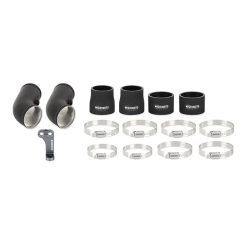
Net price: 225 €
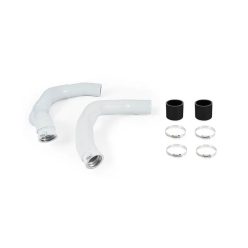
Net price: 419 €
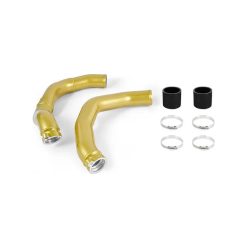
Net price: 419 €
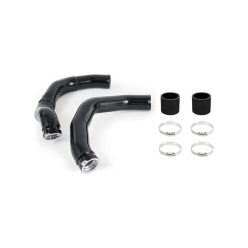
Net price: 419 €

Net price: 419 €
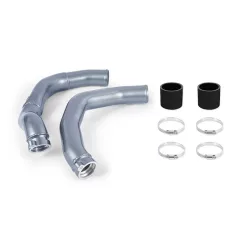
Net price: 419 €
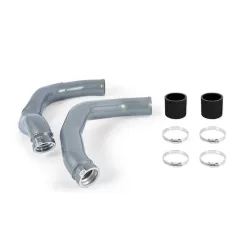
Net price: 419 €
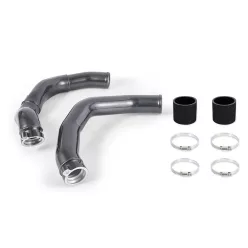
Net price: 419 €
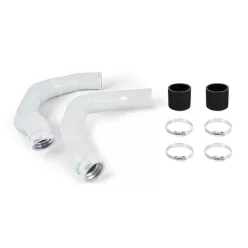
Net price: 419 €
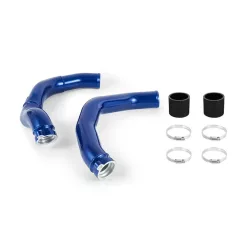
Net price: 419 €

Net price: 419 €
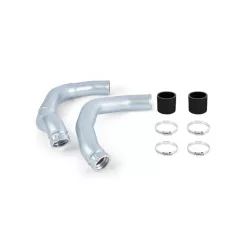
Net price: 419 €
Intercooler Pipe Kits and Piping: Stable Charge-Air Routing and Cleaner Fitment
This category focuses on the charge-air route between turbo, intercooler and intake side components: vehicle-specific pipe kits, universal aluminium sections and silicone joiners that let the system move without loading every connection. Good routing helps preserve sealing consistency, inspection access and component clearance across heat cycles.
Technical background and system integration
On boosted air paths, routing geometry is about more than packaging. Tight bends, unnecessary joins and unsupported spans can all change how evenly the couplers sit and how easy the system is to inspect after use.
Vehicle-specific kits suit builds where the original layout or a known upgrade path matters, while universal sections give more freedom for custom front-mount intercooler layouts and altered turbo positions. In this range you will commonly see Mishimoto and TURBOWORKS options, so filtering by brand and car brand can narrow the fitment path quickly.
System behaviour depends on joint stability as much as pipe diameter: a bead-rolled pipe end, adequate coupler engagement and even clamp loading can help the joint stay settled as the engine moves and temperatures change.
- Material: aluminium hard pipe for rigid runs, silicone joiners where movement allowance and serviceability matter.
- Size: match the pipe OD, coupler ID and available engagement length rather than relying on one number alone.
- Layout: check clearance to radiator packs, fan shrouds, slam panels and headlamp backs before ordering.
- Use case: OE-style replacement, larger intercooler conversion and full custom turbo routing each point to different kit choices.
How to choose the right one
Start by deciding whether you need a vehicle-specific kit or a custom pipework solution. If the aim is faster installation with known routing, filter by car brand first; if you are fabricating around a different intercooler or turbo position, measure every connection, note the bend count and map the straight sections before you buy.
For custom layouts, the Pipes & Fittings category is a practical starting point, because it lets you plan the diameter chain before you commit to clamps and joiners. On the product card, check whether the set is complete, which connection points it covers and whether there is enough tool access around the clamp locations.
Installation and failure-prevention tips
Degrease using a manufacturer-recommended cleaner, then allow to dry completely before applying load/boost. Before final tightening, dry-fit the full route so the hard pipe and coupler sit naturally rather than being pulled sideways into place.
A common pitfall is tightening a joint with slight pre-load, or placing the clamp so it does not seat fully on the intended sealing band; under load this may show up as a hiss, inconsistent boost response or a light oil mist around the connection. Prevent it with careful dry assembly, bead-rolled ends where required and a post-heat-cycle inspection.
For couplers, clamps and supporting hose hardware, Silicone Hoses and Accessories helps when clamp range and wall thickness need a second check. After the first road test, confirm that no pipe section has started touching a sharp edge, radiator frame or another vibrating component.
PRO TIP: Mark the clamp and coupler positions with a paint pen before the first drive; any movement becomes obvious at the follow-up inspection.
FAQ
Should I choose a vehicle-specific kit or universal piping?
Choose a vehicle-specific kit when you want known routing and connection points for a defined chassis. Universal piping makes more sense when intercooler position, turbo layout or space claim differs from the expected setup.
When is a full kit better than buying individual pipes?
A full kit is useful when several sections need replacing at once and you want the main route planned around the same application. Individual pipes and joiners are often the better path when only one section changes or the build mixes parts from different sources.
What is the most common failure or installation mistake?
Check every joint cold and confirm equal coupler engagement, parallel clamp position and enough room behind the bead roll. After the first heat cycle, re-check your alignment marks, then inspect each connection visually if you hear a suspicious hiss or see unstable boost behaviour.
Can I use these with a standard intercooler?
Often yes, but it depends on the exact chassis, end tank position and intended routing. Always confirm whether the product is designed around the standard intercooler, a larger aftermarket core or a broader conversion path.
What should I confirm on the product card before ordering?
Check the exact size, model years, included parts, connection points and whether clamps or silicone joiners are supplied. A well-detailed product card reduces re-measuring and helps you plan installation access before the parts arrive.
