
An intercooler accessory (intercooler accessory) is a mounting, support or thermal-management component that helps integrate, secure and fine-tune a charge-cooling setup around the intercooler.
In this category you will typically find parts for spray cooling, CO2-assisted cooling and weld-in mounting points, so the right choice depends on whether you need extra cooling support, stable mounting or a more complete installation package. Verify exact dimensions and specifications on the product card; in-stock items dispatch fast within the EU.
For reliable service life, pay attention to mounting geometry, line routing and clearance so the added hardware does not side-load the core, end tanks or nearby pipework.
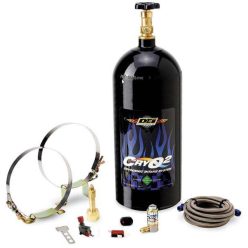
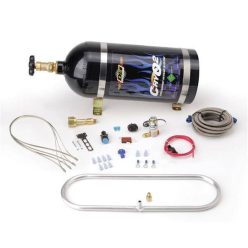

Intercooler Accessories: Mounting Logic, Thermal Support and Serviceability
These intercooler add-ons (accessories) are not full intercoolers themselves, but supporting components that help the charge-cooling system stay properly mounted, easier to service and, where required, better supported from a thermal point of view. The range can include spray hardware, CO2-based cooling support and weld-in threaded mounting pieces.
The strongest result usually comes from system integration: the mounting strategy needs to cope with vibration and thermal movement, while any cooling-assist hardware should sit in the layout without disturbing airflow, pipe routing or later access for inspection.
Technical background and system integration
The category mainly supports thermal control and mechanical load management. A well-chosen spray or CO2 setup may help the intercooler surface deal with heat more effectively, while a suitable mounting solution helps prevent unnecessary side-load from pipework, bodywork or engine movement.
Long-term reliability is closely linked to load distribution. If a bracket, threaded insert, hose, line or valve body is fitted under tension, the assembly can become harder to align, noisier in use or more awkward to service later.
- Purpose: decide first whether you are solving a cooling-support issue, a mounting issue or a broader installation-hardware requirement.
- Packaging: around an intercooler, available space is limited, so tank position, spray hardware, line routing and bracket clearance all matter together.
- Service access: a cleaner layout usually makes it easier to inspect clamps, fittings and the intercooler itself without unnecessary strip-down.
How to choose the right one
Quick selection guide: if heat load is the main concern, look at spray or CO2-assisted cooling hardware; if the intercooler lacks secure support, start with threaded, weld-in or bracket-based mounting hardware.
The product card matters a lot here because it tells you whether you are buying a full tank-based kit, a spray-hardware package or a separate mounting component, and that changes both installation complexity and space demand.
Because this page is a direct product list, filters and product cards are the fastest way to separate cooling-assist kits from mounting hardware.
- Cooling aim: occasional road use can point to a different solution than repeated high-load sessions or heat-soak-sensitive builds.
- Mounting path: check where the intercooler, brackets and surrounding pipework allow a support point without forcing the core sideways.
- Kit scope: a complete package may reduce sourcing work, while a separate mounting piece or spray component often suits custom fabrication better.
Installation and failure-prevention tips
The installation basics are clean mating areas, tension-free mounting and a layout where lines, wiring and brackets do not pull the intercooler off-axis, especially when vibration and higher boost load are added to the picture.
Degrease using a manufacturer-recommended cleaner, then allow to dry completely before applying load/boost. After that, confirm that lines, spray hardware and mounting points still have safe clearance through the full movement range and cannot rub on sharp edges or hot parts.
A common issue is a spray line, CO2 hose or bracket being left in tension; signs may include damp traces, gradual pressure loss, rubbing marks or slight movement at the mounting point. This is easier to avoid when you leave some movement allowance, add isolation where appropriate and keep lines away from edges and major heat sources.
PRO TIP: on a custom build using weld-in threaded mounts, set the full intercooler and pipework position first and only then finalise the mounting points, because that usually reduces built-in stress across the assembly.
FAQ
What are intercooler accessories for?
They help the intercooler system fit, stay supported and remain easier to inspect or refine. Some parts focus on cooling assistance, while others deal with mounting points, installation hardware or service-friendly attachment.
How do I know whether I need cooling support or only mounting hardware?
If your main concern is heat load and repeated temperature build-up, cooling-support hardware may be relevant. If the intercooler placement, movement or support is the real issue, sort the mounting logic first.
What is the difference between spray cooling and CO2-assisted cooling?
A spray system usually applies liquid to the outside of the intercooler surface, while a CO2-based setup uses a different hardware and control approach. The right choice depends on your packaging space, line routing, service needs and how integrated you want the system to be.
What is the most common failure or installation mistake?
Start the check with the mounting points aligned and the assembly cold, then verify free movement and line routing by hand. After a heat cycle or load event, inspect the same areas again for position change, rubbing evidence and any shift in hardware orientation.
When is a weld-in mounting fitting the better option?
It makes sense on a custom intercooler install when you need a repeatable threaded mounting point and want cleaner removal later. The final choice still depends on access for welding, surrounding material thickness and the finished intercooler position in the car.
