
Intake hardware and connectors (mounting and connector parts) are the pieces that help adapters, inlet guards, heat shields, scoops and filter protection items work together around a performance intake system. Choose by fitment points, packaging space and how the intake is supported.
This range mixes vehicle-specific adapters and scoops with universal guards, shields and filter protection parts, so checking size and application matters more than choosing by name alone. Verify exact dimensions and specifications on the product card; in-stock items dispatch fast within the EU.
Before ordering, confirm thread style, flange shape and whether the part needs room for thermal movement or filter movement next to body panels. Use filters by brand, size and stock status, then open the product page for exact compatibility.

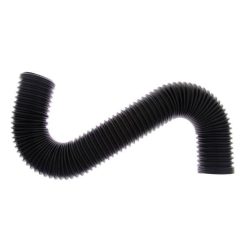

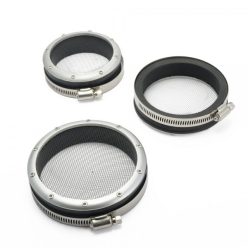
Net price: 13 €
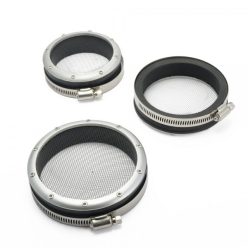
Net price: 13 €
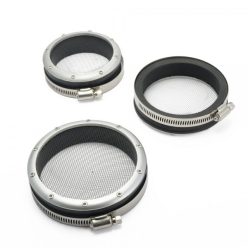
Net price: 13 €
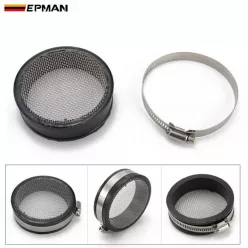
Net price: 17 €
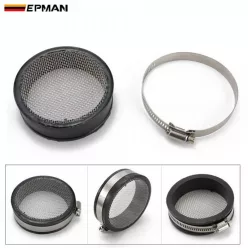
Net price: 16 €
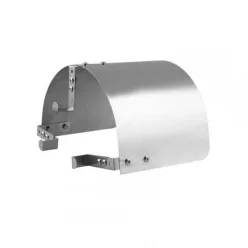



Intake Hardware and Connectors for Performance Intake Builds
These intake-side mounting and connector components, or the wider intake-side hardware around the system, help organise the connection points between adapters, guards, shields, scoops and supporting parts. They are relevant when you need cleaner fitment, better load distribution and more controlled clearance around neighbouring components.
Technical background and system integration
This category can combine model-specific adapters, inlet guards, heat shields, filter wraps, scoops, blanking plates and throttle body transition parts. Because of that, the first check should be the fitment geometry: flange pattern, opening shape, diameter, mounting points and where the part sits relative to the bodywork or intake pipework.
Good selection is not only about whether a part can be bolted on. It is also about load distribution, because a scoop, adapter or filter protection part that is poorly supported may transfer vibration and mass into one connection point, which can lead to movement, loosening or a stressed joint over time.
The environment around the intake matters as well. Parts mounted near engine-bay heat, front-end splash zones or tight panel gaps should be chosen with thermal exposure, contamination and available clearance in mind, especially when the aim is to protect a filter or separate it from hotter under-bonnet air.
Brands such as AEM, K&N Filters, SIMOTA, SLIDE, TURBOWORKS and EPMAN often use different design logic, so material pairing, shape and installation position should be read together rather than in isolation.
- Size: confirm the connection diameter in mm or inch first, then compare it against 3", 3.5" or 4" naming.
- Shape: a round inlet, a flanged adapter, a flat blanking plate and a model-specific fitting part all install differently.
- Environment: consider heat, splash, vibration and how much clearance remains around lamps, panels and nearby intake parts.
How to choose the right one
Quick selection guide: decide first whether you need a vehicle-specific part or a universal intake accessory. If the part connects to a known vehicle, engine or throttle body layout, start with model generation and engine type; if it is a universal guard, shield or wrap, start with diameter, shape and packaging space.
The product card gives the clearest answer when you read the stated size, photos, fitment notes and intended function together. A part designed for filter protection should not be treated the same way as an adapter or a body panel intake scoop, even when the names look similar.
If more than one layout seems possible, check the product card for the exact mounting logic and notes first, because this category groups several different kinds of intake-related hardware.
Installation and failure-prevention tips
Start every installation with a clean contact area: inspect flanges, threads, holes and edges for burrs, distortion or old witness marks. On adapters and plates, flat seating matters; on guards and shields, the alignment of the mounting points often decides how naturally the part sits.
Carry out a trial fit before final tightening and use a step-by-step tightening sequence rather than pulling one side fully home at once. That makes it easier to spot a stressed fit and to confirm whether the nearby pipe, filter or body panel still leaves enough room for normal movement.
After the first use or heat cycle, perform a simple follow-up inspection of mounting points, surface marks and part position. This is especially useful where the engine moves noticeably in the bay or where scoop and filter clearance to the body is limited.
PRO TIP: When several similar-looking products appear in the catalogue, choose by job first: use an adapter for a transition between connection points, a guard or wrap for contamination control, and a shield when you want to separate the filter or inlet from hotter engine-bay air.
Frequently asked questions
What do intake hardware and connector parts actually do?
They support the fitment, transition and protection tasks around a performance intake system. Some are vehicle-specific, while others are universal and should be chosen mainly by size, shape and intended use.
What is the most common failure or installation mistake?
The most common mistake is choosing by product name or appearance alone while the real diameter, flange layout or available space is different on the car. Typical symptoms are a stressed adapter, a scoop that sits off-line or mounting points that work loose under vibration; measuring and trial fitting before final assembly helps reduce that risk.
When should I choose a vehicle-specific adapter instead of a universal part?
Choose a vehicle-specific part when the flange pattern, mounting position or body shape is tied to one model or engine family. A universal part is the better route when the task is functional, such as filter protection, heat management or covering a known connection diameter.
How can I check fitment before ordering?
Confirm the diameter in mm or inch, the opening or flange shape, the number of mounting holes and the available surrounding space. Then compare those points against the product images, fitment notes and whether extra support or movement clearance will still be needed once installed.
When is a heat shield or filter protection wrap worth adding?
A heat shield can make sense when the filter or inlet sits close to engine-bay heat and you want to separate it from hotter air. A guard or wrap is more relevant when the mounting position is exposed to splash, dirt or small debris from the front of the car or wheel arch area.
