
Hyundai i20N Performance Tuning Kits cover i20 N (2021+, 1.6) upgrades from Forge Motorsport and Milltek, focused on intake airflow, lower IAT and stronger charge-air cooling. You’ll find a cold air induction kit, turbo inlet upgrade, intercooler, dump valve and hoses, a turbo muffler delete, plus driver-feel items like a short shifter and an OPF-back exhaust option.
Use filters for Colour, Filter (Foam/Pleated) and Finish, sort the list, then open each product card to confirm the exact part number and fitment notes. Choose the right configuration and place your order.

Net price: 40 €
Net price: 66 €
Net price: 229 €
Net price: 1 450 €

Net price: 115 €
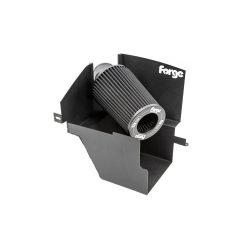
Net price: 271 €
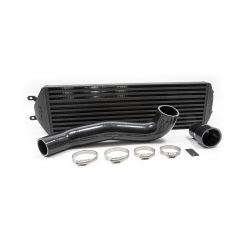
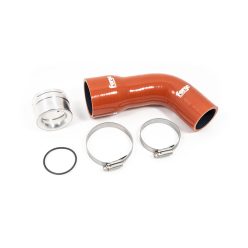
Net price: 117 €
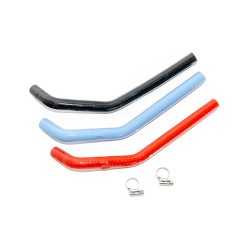
Net price: 40 €

Net price: 50 €
Hyundai i20N Performance Tuning Kits – cooler intake temps, smoother flow and better driver feel
Hyundai i20N Performance Tuning Kits are built around the i20 N (2021+, 1.6T) platform, targeting the areas that usually matter most once you drive hard: heat soak, intake restriction and consistent boost behaviour.
The selection includes FMINDK45 cold air intake (Foam/Pleated), FMTIA11 turbo inlet, FMINT28 intercooler, FMDV37 dump valve and matched hoses, FMMD7 turbo muffler delete, FMCT10 catch tank, FMSS7 short shifter, plus a FMSSXHY153MP 70 mm non-resonated OPF-back Milltek exhaust.
Technical Basics
The FMINDK45 cold air induction kit uses a heat shield intended to separate the intake tract from radiant engine heat, helping to manage IAT. The product description notes near-identical dyno results between the Pleated and Foam filter options and lists the core hardware included in the box.
The FMTIA11 turbo inlet kit is described as increasing the inlet elbow size by over 170%, while the silicone inlet hose removes internal ribs/steps to reduce turbulence. The listing states manufacturer dyno figures of nearly 7 BHP and 12 Nm with the OEM airbox, plus an additional 17 Nm between 2500–3000 rpm.
The FMINT28 front-mount intercooler is described with a 113% increase in volumetric capacity and over 57% frontal area increase versus OEM. It also states outlet diameter changes of 50→60 mm (hot side) and 50→63 mm (cold side), and highlights “no cutting required” for installation.
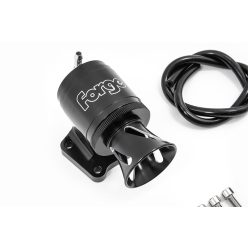
The FMDV37 dump valve is described as usable as either a fully atmospheric blow-off valve or a recirculating valve, with “no EML” noted in the highlights. The description also mentions Viton O-rings and a suggested service interval of 3 years / 20,000 miles.
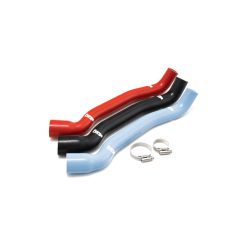
The silicone hose options (FMBH7 dump valve discharge hose and FMBH10 oil breather hose) are described as four-ply silicone upgrades over single-ply OEM rubber. Both listings note suitability around O.A.T. long-life coolant environments and air containing oil mist, with multiple colour choices.
The FMMD7 turbo muffler delete is described as replacing the restrictive compressor outlet with a smoother solution, using a 6061 aluminium coupler and an inner Fluorosilicone liner. The expected change is positioned around improved flow and increased turbo acoustics.
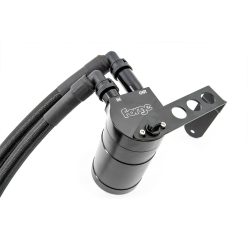
The FMCT10 catch tank is listed as 0.4 L capacity with a drain tap and dipstick, but the page states it fits RHD vehicles only. It’s positioned as a way to capture oil/fuel vapours and moisture that would otherwise return to the intake.
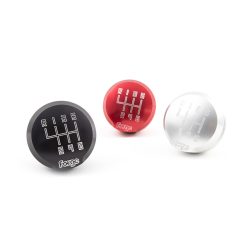
For shift feel, the FMSS7 adjustable short shifter is described as adjustable with a 16 mm spanner, offering a maximum throw reduction of over 33% and an approximate 1-hour install time.
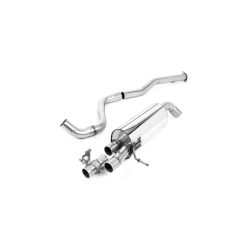
On exhaust, FMSSXHY153MP is listed as a 70 mm non-resonated OPF-back system with a chrome tip, using T304L stainless and a stated 1.5–2.0 hour fitting time. The page also warns that certain parts (de-cats / bypass deletes) are for motorsport use only, so road legality must be checked locally.
The FMREMAP-HYUNDAII20N Stage 1 remap listing claims 30 HP and 55 Nm gains and includes a warranty/insurance responsibility note. Treat it as a service item and verify the booking/location requirements on the product page before purchase.
Selection Criteria
If you want consistent performance in warm conditions, start with the FMINT28 intercooler, then add intake-side flow parts (FMINDK45, FMTIA11). This sequence typically reduces heat soak limits before chasing extra output.
For an OEM+ approach, the FMTIA11 is explicitly described as fitting the factory airbox, while the FMINDK45 is a full intake solution. Choose Pleated vs Foam by your environment (dusty road use vs frequent track driving) and maintenance preference.
For boost behaviour and sound, the FMDV37 lets you pick atmospheric or recirculating operation, and the FMBH7 discharge hose can be colour-matched. If you are aiming for a clean engine bay, pick one colour theme and stick to it across inlet and hose choices.
The FMSS7 short shifter and 70 mm OPF-back exhaust lean more towards driver feel and character. For software tuning, confirm the car is mechanically healthy (no leaks, good plugs, clean OBD-II status) before committing to a remap.
Be careful with the catch tank: FMCT10 is stated as RHD-only, so it is not suitable for most left-hand-drive EU cars. If you need crankcase vapour control on an LHD vehicle, look for an explicitly LHD-compatible solution.
Installation & Maintenance
Most issues after intake/boost work come from small leaks, so prioritise clamp positioning, full seating on outlets and safe clearance from heat sources. Re-check connections after a heat cycle to keep boost behaviour consistent.
With the FMINT28 intercooler, the listing states no cutting is required, but correct alignment and post-install checks still matter. Because the hose connections are larger (50→60/63 mm), make sure couplers and clamps are correctly matched and tightened evenly.
For the FMDV37 dump valve, follow the service guidance and watch for symptoms like unstable idle or boost oscillation. If anything feels off, start by checking vacuum/boost routing and sealing, then confirm valve operation.
After fitting and adjusting the FMSS7 short shifter, test all gears both static and on a short drive. The goal is faster, more positive shifts without forcing the cables into an awkward deflection.
FAQ
Which intake fits the Hyundai i20 N (2021+, 1.6)?
The category includes the FMINDK45 cold air induction kit with Foam or Pleated filter choices. The listing positions the heat shield as an IAT-management feature and notes similar dyno results between filter types. Check the product page for the exact “in the box” contents before ordering.
What does the FMTIA11 turbo inlet change compared to stock?
The FMTIA11 description states the inlet elbow size increases by over 170% and the silicone hose reduces turbulence by removing ribs and steps. Manufacturer dyno figures on the page mention nearly 7 BHP and 12 Nm with the OEM airbox, plus an extra 17 Nm around 2500–3000 rpm. Results can vary with conditions and calibration, so treat them as reference data.
Does FMINT28 require cutting, and what are the hose sizes?
The FMINT28 listing states no cutting is required for installation. It also describes outlet diameter increases of 50→60 mm on the hot side and 50→63 mm on the cold side, alongside a 113% volume increase claim. After installation, check for leaks under load.
Should I run an atmospheric or recirculating dump valve?
The FMDV37 is described as usable in either fully atmospheric (blow-off) or recirculating mode, so the choice comes down to sound vs OEM-style behaviour. For a quieter setup and smoother part-throttle feel, recirculation is often the safer default. Whichever you choose, ensure all connections seal properly and follow the servicing guidance.
Will the FMCT10 catch tank fit my EU-spec i20 N?
The FMCT10 page states it fits RHD vehicles only. If your car is left-hand drive, it is not the right part for your layout. Look for an explicitly LHD-compatible catch can if crankcase vapour control is your priority.
Filter by goal (IAT, intercooler, turbo inlet, valve, exhaust) and order the correct i20 N configuration for your build.
