
Hoodies & sweatshirts are everyday upper layers that combine streetwear comfort, practical layering and easy day-to-day use in one category. This is the right place if you want hooded or non-hooded casual tops that can work under a jacket or as standalone pieces, depending on cut, fabric weight and neckline design.
Check the fit, inner surface and overall weight to decide whether you need a lighter mid-layer or a warmer option for cooler conditions. Verify exact dimensions and specifications on the product card; in-stock items dispatch fast within the EU.
Use filters for size, colour and style, then open the product card for fabric notes and care details; that helps reduce the chance of choosing a model that feels too loose or too restrictive in real use.
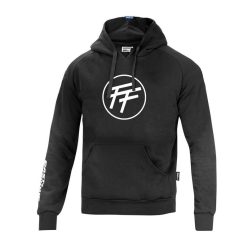




Hoodies & Sweatshirts for Everyday Layering and Streetwear Use
This hoodies and sweatshirts category brings together everyday upper layers where casual comfort and a hoodie or sweatshirt-style build work side by side. The right choice supports layering, stays comfortable during movement and does not bunch unnecessarily under a jacket.
On this page you will typically find garments that can be worn on their own or used as a middle layer. Choosing well is not only about appearance, but also about fabric feel, cut and how the garment fits into your usual T-shirt and jacket combination.
Technical background and system integration
The main role of this category in a streetwear setup is thermal comfort and flexibility across changing temperatures. A lighter sweatshirt often works better under outerwear, while a heavier hoodie may make more sense as a standalone top.
Pay attention to the fabric blend, because cotton-rich garments can feel and dry differently from styles with a higher synthetic content. That matters when the garment is used for long days, travel or mixed indoor and outdoor conditions.
The cut through the shoulders, chest and hood area also affects freedom of movement. If a garment is too restrictive around the upper body, it can become uncomfortable while seated, driving or wearing additional layers.
Neck shape, hood design, cuffs and pockets are not only styling details; they influence the use environment as well. A hooded design should still sit comfortably with a jacket collar instead of creating unnecessary bulk around the neck.
How to choose the right one
Quick selection guide: first decide whether you want the garment mainly as a standalone top or as a layer under a jacket, because that immediately narrows the ideal thickness, hood design and fit.
Good sizing logic goes beyond the label alone. Check chest width, body length and sleeve length together, as two garments with the same nominal size can still fit very differently.
If you plan to wear it over a T-shirt, the fit may feel different from using it over a technical base layer or heavier underlayer. That is why your layer setup should match real use rather than rely only on your usual standard size.
For driving, commuting or longer periods seated, a less bulky design with a softer inner face often feels easier to live with because it is less likely to bunch up. In cooler dry weather, a heavier build may be the more practical option when worn without outerwear.
Besides colour and graphics, look at the neckline, hood, whether the garment is zip-free or not, and how pockets are handled, because these details shape daily usability. There is no subcategory split here, so comparing product cards carefully is the best route through the range.
Installation and failure-prevention tips
With hoodies and sweatshirts, long-term durability is supported mainly by proper care. Check the garment label before washing, turn the item inside out and avoid unnecessarily high heat, as that can influence shape retention and surface feel.
The most common issue is not instant seam failure but an unsuitable washing and drying routine: signs may include a changed fit, rippling around the neck or cuffs, or faster wear on the inner face. This risk can be reduced by using a gentler cycle, avoiding an overloaded drum and reshaping the garment before drying.
Shape retention during storage also matters. Heavier pieces can stretch on a hanger over time, so folding is often the more sensible option for longer storage periods.
After the first few wears, note how the garment behaves while seated, under a jacket and after washing, because real-world use reveals far more than the nominal label size on its own.
There is no separate subcategory on this page, so the most practical next step is to compare fabric notes, dimensions and care details across the product cards; you can also review the broader range under Streetwear and Accessories.
PRO TIP: If you are between sizes, do not judge by chest width alone; body length and the tension of the lower hem usually decide how comfortable the garment remains when seated and layered.
FAQ
How is a hoodie or sweatshirt different from a jacket?
These garments are typically used as standalone or middle layers, while a jacket is more clearly an outer layer. The main difference comes from cut, bulk and everyday wearing feel.
Which style works better under a jacket?
A less bulky garment with a cleaner shoulder and sleeve shape usually works more smoothly under outerwear. The aim is to avoid excess material gathering at the underarm, neck or waist when layered.
What is the most common failure or installation mistake?
For this category, a practical inspection checklist is more useful than repeating the care warning: review the wash label, confirm the temperature used, turn the garment inside out and compare the measured dimensions with the product card. If the fit remains correct after washing but feels wrong while driving or sitting, the limiting factor is more likely the cut than the care routine.
Should I choose a cotton-rich or more synthetic blend?
A cotton-rich option often gives a more natural hand feel, while a higher synthetic share may behave differently in drying and shape retention. The better choice depends on whether you want the garment mainly for all-day wear, travel or repeated layered use.
How can I tell whether the size is right?
The label size is only a starting point; chest, length and sleeve measurement together give a more reliable picture. A useful method is to measure a similar favourite garment and compare those dimensions with the product card.
