
A gearbox bushing (transmission mount bushing) is part of the gearbox support system, so it can influence driveline movement, shift feedback and how the surrounding parts behave under load. It is a relevant upgrade or replacement when the OEM mount solution feels worn or when a build needs a more controlled drivetrain position.
The right option depends on the mounting point, thread style, material choice and the exact vehicle application. Verify exact dimensions and specifications on the product card; in-stock items dispatch fast within the EU.
You can avoid many fitment issues by checking thread size and installation space before ordering, then assembling with clean mating faces and a neutral, non-forced position around the gearbox mount area.


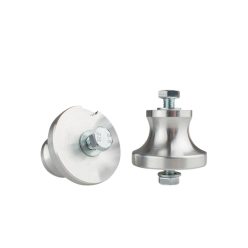
Net price: 72 €


Net price: 42 €


Net price: 75 €

Net price: 74 €

Net price: 75 €
Gearbox Bushings: support control, driveline behaviour and fitment logic
These gearbox support parts are often searched by builders as transmission mount bushings, but the right choice is not only about material on its own. The system load path, mount geometry and the surrounding driveline package together determine which version is likely to suit your build.
Technical background and system integration
A gearbox bushing or mount insert helps support the transmission in a controlled way while managing how the driveline moves relative to the chassis. The mounting character can therefore influence shift feel, drivetrain movement and the behaviour of nearby exhaust, propshaft or subframe areas.
Different versions vary by material, stiffness character and housing style. The driveline movement seen in track use, drift applications or more aggressive clutch setups may be very different from a road-biased car, so the goal is to match the part to the whole system rather than chasing one isolated feature.
- Material: polyurethane and metal-based solutions can deliver different feedback, support character and NVH behaviour.
- Threads: the exact threaded connection and fixing point must match before installation starts.
- Geometry: gearbox position can influence propshaft angle, exhaust clearance and surrounding gaps.
How to choose the right one
Quick selection guide: use filters and product cards on this page to compare thread style, material logic and fitment notes, then decide from the exact item-level data. As a leaf category, the safest final choice comes from the product card rather than from the image alone.
If your build needs a more direct drivetrain feel, think about how much vibration, noise and service compromise you are willing to accept. In that context, product card checking and an honest review of the existing bracket condition are usually more useful than assuming one material is always the better answer.
If several options look similar, compare the current bushing, fixing hardware and bracket dimensions before removal against the selected product details.
- Vehicle: always start with the exact platform and generation.
- Format: confirm whether you are buying a bushing, a complete mount or a kit.
- Use case: road, drift and track builds often point towards different compromises.
Installation and failure-prevention tips
Clean threads and undamaged mating faces are essential before assembly. Support the gearbox in a neutral position, align the mount without forcing it into place, then tighten the hardware progressively in the manufacturer’s process so the bushing and bracket do not start life under side load.
A common mistake is fixing the bushing or complete gearbox mount in a slightly pulled position so the system is already under tension when static. Signs may include new resonance, a harsher shift feel, reduced clearance to the exhaust or tunnel, or early surface wear around the mounting area. You can reduce that risk by trial-fitting first, checking clearances and only doing the final tightening after the gearbox sits in a neutral position.
Post-fit inspection matters after the first few uses. Check the hardware, the bushing seat, nearby clearances and whether any new noise or vibration appears on load change, because those signs can show early that part of the installation chain needs correction.
PRO TIP: If the bracket or surrounding rubber support parts are already tired, inspect the whole mounting point together, otherwise the new part may not deliver the result you expect.
Frequently asked questions
What is the most common failure or installation mistake?
First check whether the gearbox was sitting in its neutral position during final tightening, then inspect the threads, washers and mating faces. After that, review propshaft, exhaust and tunnel clearances, and finally watch for new resonance or contact marks during load change.
Is polyurethane or aluminium the better choice?
That depends on how much direct drivetrain control you want and how much NVH you are prepared to accept. A firmer solution may improve support feel, but it can also change comfort and vibration behaviour.
Should I replace them in pairs?
If the layout uses matched support points, it often makes sense to assess both sides together because wear and load balance affect overall position. The best decision comes from checking how the gearbox sits and whether the opposite mount point already shows age or clearance change.
How do I know the installation is sitting under tension?
You may notice the gearbox sitting visibly off-centre, reduced clearance to the exhaust or tunnel, or new resonance appearing on load change. In that case, re-check neutral positioning and the tightening sequence before further use.
What should I inspect after the first track day?
Look over the bolts, the bushing seat, the bracket area and the clearances around the driveline. If new noise, vibration or contact marks appear, correct the installation before the next session.
