
The Fuel System range covers off-road ready solutions: high-capacity fuel tanks (e.g., 110 L for Nissan Patrol Y60/Y61), INOX versions, and pump–filter mounts. Reinforced fixings, proper venting and AN- fittings ensure steady supply on steep angles and during long trips. Match hose sizes and materials (e.g., PTFE (polytetrafluoroethylene)) to keep the system robust and leak-free.
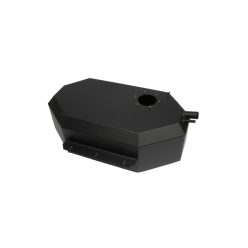
Net price: 430 €
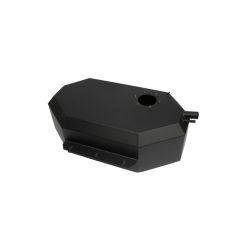
Net price: 569 €
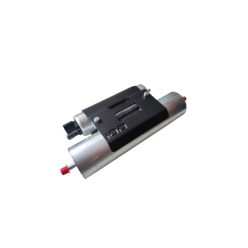
Brief summary and key benefits
The Fuel System must deliver a steady supply under heat, vibration and steep angles. Our line-up includes reinforced fuel tanks up to 110 L (including INOX), plus pump–filter brackets tailored to Nissan Patrol Y60/Y61. Correct hose sizing, reliable venting and robust mountings minimise vapour-lock risk and keep pressure stable for consistent engine performance on long trips.
Technical Basics
Key elements: the tank, feed/return lines, pump, filter, venting and plumbing. Off-road tanks use reinforced welds, internal baffles and protected ports. Common interfaces are AN-6, AN-8 and AN-10 with conical sealing and quality O-rings. PTFE (polytetrafluoroethylene)-lined hose is fuel/ethanol resistant and heat stable; add heat sleeves near exhaust sections. Use a coarse pre-filter (40–100 µm), a fine post-filter (10–30 µm) and a stable regulator. Proper venting avoids tank over-pressure and fumes returning to the cabin.
Compatibility: on Patrol Y60/Y61, large tanks bolt to OE points—confirm clearance to exhaust, propshaft and the Panhard rod. INOX tanks resist corrosion in salty, muddy conditions; mind galvanic pairs when mixing materials.
Selection Criteria
Capacity & range: ~110 L extends touring range; account for weight and possible ride-height change. Choose pump flow (L/h) and pressure (bar) to suit engine demand; diesels typically use a lift pump feeding a high-pressure system.
Fittings & line size: a return of AN-6 and a feed of AN-6/AN-8 cover most builds. Reduce 90° adapters and prefer large-radius bends to limit losses.
Materials & protection: shield tanks and lines from stone impact; isolate mounts with rubber to prevent fatigue. Route the vent high with a charcoal canister or separator where appropriate.
Installation & Maintenance
Work in a spark-free area with minimal fuel level. Mount the pump and filters on vibration-damped brackets; power them via a relay, correct-gauge wiring and a fuse near the source. Hand-start all AN- fittings, then tighten to spec; assemble PTFE hose ends with the correct olives/inserts. Before the first start, prime and leak-check, then verify rail pressure. Service filters periodically, re-torque clamps and inspect electrical connectors for oxidation.
Warning: poor vent routing or loose fittings increase fire and failure risks—keep a dry-powder extinguisher nearby when working with fuel. Use heat shields around the exhaust wherever lines pass close by.
FAQ
What line size suits a turbo petrol build?
Typically AN-8 feed and AN-6 return; exact sizing depends on power and target pressure.
Why choose an INOX tank?
Superior corrosion resistance and long service life; ensure reinforced mountings due to higher mass.
Where should the pump be located?
As low and close to the tank as practical with a short suction side to avoid cavitation.
Do I need a vent filter?
Yes—off-road builds benefit from a separator or charcoal canister to keep dirt and odours out.
Filter replacement interval?
Every 10–20k km or annually; shorten under dusty use and always depressurise the system first.
