
In Vehicle-Specific Fuel Pumps, you’ll find model-dedicated in-tank pump kits, complete fuel pump assemblies, and selected high-pressure fuel pump (HPFP) items for specific engines. Typical listings include 255 LPH-class drop-in solutions for platforms like BMW/Subaru/Nissan, as well as specialised packages such as certain Stealth Fuel System kits. For the full fuel supply range, open Fuel Pumps (AC Pumps) and Filters. Use filters for brand and stock, then confirm vehicle fitment (model/year) and connectors on the product page. Choose the right pump and place your order.

Net price: 380 €
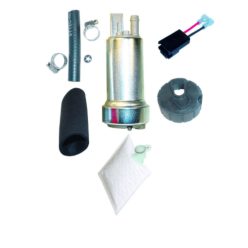
Net price: 165 €
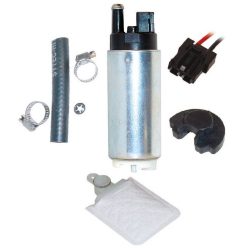
Net price: 86 €

Net price: 86 €
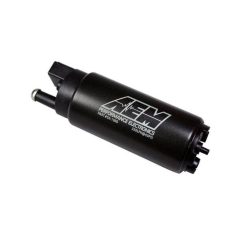
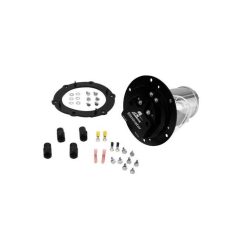
Net price: 1 439 €
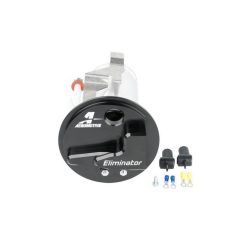
Net price: 1 439 €
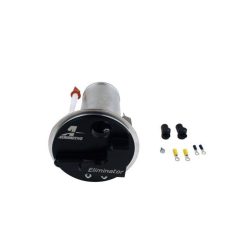
Net price: 1 439 €
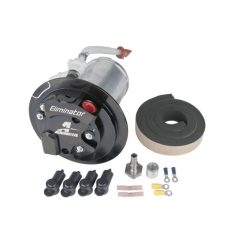
Net price: 1 569 €

Net price: 1 577 €

Net price: 1 844 €
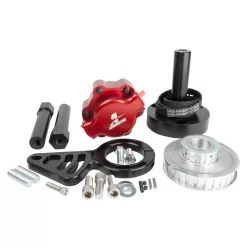
Net price: 1 665 €
Vehicle-Specific Fuel Pumps – OE-style fitment and targeted upgrades for stable fuel delivery
Vehicle-Specific Fuel Pumps are not generic “one-size” parts: they are dedicated solutions matched to a platform, hanger, connectors, or an engine family. This helps you keep the installation predictable while aiming for consistent fuel pressure and reliable fuel flow under the conditions you actually drive or race.
You’ll commonly see DeatschWerks in-tank replacements/upgrades, Walbro platform-specific kits, and Aeromotive tank-based systems, with selected Bosch style HPFP items also appearing in this section. Always base the final decision on the fitment notes, part numbers and vehicle coverage stated on the product page.
Technical Basics
This category may include different pump types: most items are low-pressure in-tank fuel pumps, but some are high-pressure fuel pumps (HPFP) used on direct-injection engines. These are not interchangeable, so identify which subsystem you are servicing before ordering.
Flow is often shown as LPH (litres per hour), for example 255 LPH and above, which should match your power target and fuel choice. Many dedicated in-tank pumps use a turbine impeller design and may state ethanol compatibility to a defined blend, so treat the product description as the source of truth.
Some complete kits (such as certain Stealth Fuel System packages) can include integrated pre-filtration and standard ports like ORB-08, and may require a return-style layout with a bypass regulator. If your car is returnless from the factory, plan the additional lines and regulator before purchase.
Safety note: if a listing includes an emissions or “not legal for use” statement, follow the manufacturer’s conditions and local rules. Incorrect selection can lead to lean running under load and engine damage.
Selection Criteria
Start with fitment: confirm model, year, engine code, and whether you need in-tank or HPFP. Dedicated products often name the supported platform directly (e.g., BMW E36/E46, Subaru Impreza, Nissan 200SX, Mustang), but you should still verify the exact variant on the product page.
Choose capacity based on your goal and fuel: for mild upgrades, an OE-style flow may be enough, while higher output builds may point you towards 255 LPH, 320 LPH or 400 LPH options. If you plan E85, only buy pumps that explicitly state ethanol suitability for the intended blend.
Check what the kit includes: filters, seals, connectors, and whether a controller or wiring changes are required. Some assemblies are designed to use the factory tank location, but still expect a return line and an external regulator, which affects the total parts list.
For engine-specific HPFP items, pay attention to the stated comparisons and displacement-per-rev figures such as cc/rev (where provided) and cross-check OE part numbers. This is especially important when the listing references upgrade context like Stage2+ applications.
Installation & Maintenance
Depressurise the system and work in a ventilated area: fuel vapours are fire-risk and ignite easily. For in-tank work, keep the area clean and reseat the seal (O-ring) correctly to prevent vapour and liquid leaks.
On the electrical side, verify wiring, relays and fusing, especially when upgrading flow. After installation, check fuel pressure and inspect every connection for leaks during the first start and warm-up.
If a kit requires return-style plumbing, set up the regulator properly and confirm the routing of the return line. Where an integrated pre-filter is used (for example 100-micron), keep an eye on tank cleanliness and filtration intervals.
Avoid prolonged dry running and monitor symptoms: unusual noise, pressure drop or hesitation under load can indicate a supply issue. Before blaming the pump, inspect filters, connectors, grounds and any controller settings.
FAQ
Which vehicle-specific fuel pump should I choose for a BMW E36/E46?
Confirm whether you need an in-tank kit or another subsystem part, then match the listing’s supported model/year to your exact car. Dedicated kits often use a specific kit code (for example ITP numbering), but the fitment notes on the product page are decisive.
What does “in-tank kit” mean on a fuel pump listing?
In-tank means the pump is designed to operate inside the fuel tank, and the kit may include supporting parts for installation. Contents vary by product, so check the what’s included or details section before ordering.
Are these pumps suitable for E85?
Only choose E85 use if the product explicitly states ethanol compatibility and the supported blend level. If the listing is unclear, stick to the manufacturer’s stated fuels and consider that ethanol usually increases required flow.
Do some Aeromotive Stealth systems require a return line?
Yes, certain packages specify a return-style regulator and return plumbing, so review the requirements in the product details. Converting a returnless car typically adds a regulator, lines and fittings to your build list.
How do I know whether I need an HPFP or a low-pressure in-tank pump?
Direct-injection issues often relate to the HPFP, while general supply problems frequently point to the in-tank pump. Cross-check the OE part number and the system diagram, then match that to the listing before buying.
Verify fitment and required supporting parts, then choose the correct pump and complete your purchase.
