
These fluid handling and filling tools (fluid service tools) cover workshop methods for moving and adding oil, coolant or brake fluid with better control and less mess.
Choose by job (fill, extract, bleed) and filter by connection type and size; open each product card to confirm threads, hose diameters and media guidance. A simple prevention step: keep tools dedicated per fluid type to reduce contamination.
Verify exact dimensions and specifications on the product card; in-stock items dispatch fast within the EU. Pick the compatible option for clean fills, accurate dosing and tidier service.
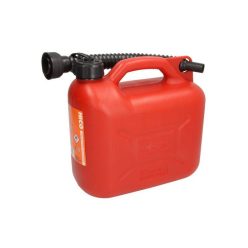
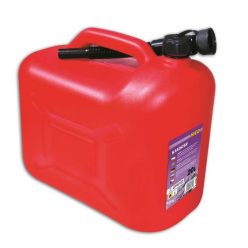

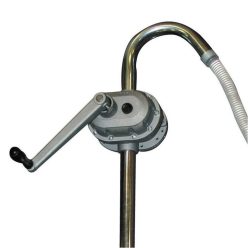
Fluid handling and filling tools – controlled transfer for workshop service
This range covers workshop fluid transfer and filling gear often searched as “fluid handling”, helping you aim for controlled flow when filling, extracting or bleeding systems.
Technical background and system integration
The main goal is flow management: funnels, dosing bottles, syringes, hand pumps and bleeders each reduce spill risk differently, especially where access is tight or the fill point is awkward.
Selection depends on material compatibility and sealing style (valves, O-rings, hoses), because some fluids can be aggressive to finishes or sensitive to moisture and dirt during service.
- Oil: targeted filling into narrow openings, plus cleaner extraction when draining is messy.
- Coolant: filling with attention to air pockets and the right cap/adapter interface for the system.
- Brake fluid: steadier supply during bleeding, with the correct reservoir adapter and good sealing contact.
- Fuel: only use items explicitly rated on the product card, and keep them separated from other media tools.
Keeping fittings and containers clean supports system protection by reducing debris ingress and helping seals seat consistently.
How to choose the right one
Quick selection guide: start with the task (fill, extract, bleed), then match connection style, capacity and control features to the way you work.
- Task: funnel for fast fills, syringe for small quantities, pump for higher flow, bleeder for air removal.
- Connections: confirm thread/quick-connect type on the product card (common examples include metric threads and BSP/NPT variants).
- Sizes: hose IDs are often listed in mm, while some workshop parts use inch sizes; measure your existing hose and clamp.
- Dosing: look for graduated bodies, non-return valves or drip-control tips where fine adjustment matters.
- Bleeding: pick vacuum or pressure method based on access, system layout and available adapters.
- Cleaning: favour designs that can be flushed per manufacturer guidance and stored sealed from dust.
If you are building a broader kit, you can usually find related items grouped under the Workshop tools main category in the site navigation.
Installation and failure-prevention tips
For best results, prioritise clean interfaces at every joint and reservoir opening; Degrease using a manufacturer-recommended cleaner, then allow to dry completely before applying load/boost.
When adapters are involved, correct fitment matters more than force: if the cap or adapter does not seat evenly, stop and re-check thread type, seal contact and hose-end compatibility.
- O-ring: inspect for nicks, flattening or twist; replace with the correct profile for the kit.
- Hose end: place clamps squarely and re-check after a short test run.
- Vent path: ensure air can escape during filling to reduce foaming and slow flow.
- Bleeding: keep reservoir level stable and work step-by-step to avoid drawing air back in.
- Storage: label tools by fluid type and store sealed to keep dust out.
If you notice seepage at a joint after filling, or persistent foaming during transfer, it can indicate poor adapter seating or a compromised seal; pause the job, inspect the contact surfaces and swap any damaged sealing element before continuing.
PRO TIP: Do a short dry run first: assemble the adapter, cycle valves and check access. It is an easy way to confirm the workflow before you introduce fluid.
FAQ
What do fluid handling tools add versus a basic funnel?
They can provide targeted tips, valves and adapter options that help in tight bays or awkward fill points. Some designs also support steadier supply during bleeding or extraction work. Always match the tool to the fluid and connection guidance on the product card.
What is the most common failure or installation mistake?
Start with a quick inspection: confirm the adapter sits flat, then check the O-ring condition and clamp position. Wipe the area dry and run a short test to see if the issue repeats immediately. If possible, compare the thread/connection type against what the product card specifies.
Vacuum bleeder or pressure bleeder: which should I choose?
It depends on access, system design and which reservoir adapters you have available. Vacuum methods are often convenient at the caliper end, while pressure methods can be easier from the reservoir side in other cases. Confirm compatibility and intended use on the product listing.
How can I tell if air is still trapped after filling?
Depending on the system, signs may include inconsistent pedal feel, fluctuating temperatures or visible bubbling during the process. Work in stages, keep fluid level stable and repeat the procedure until the symptom disappears. Follow the vehicle manufacturer procedure if you are unsure.
How should I clean and store these tools?
Flush and dry them according to the manufacturer guidance for the specific product and fluid. Keep separate sets for different media where practical and store them sealed to minimise dust contamination. Replace serviceable seals if they show wear.
