
Filter service tools (szűrő- és karbantartó szerszámok) are workshop essentials for oil and filter work: removing filters, opening cartridge housings and keeping changes tidy for a clean service routine.
Choose by filter type (spin-on or cartridge), size and access; correct fit supports secure grip and can help avoid marking housings, threads and sealing faces.
Verify exact dimensions and specifications on the product card; in-stock items dispatch fast within the EU. Before committing to the job, test-fit the wrench/head and start threads by hand for thread care.
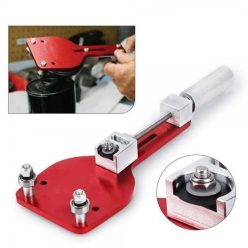
Net price: 22 €
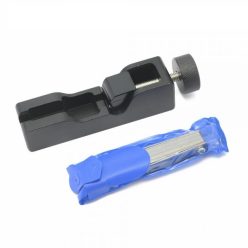
Net price: 14 €
Filter Service Tools: Cleaner Changes, Less Workshop Guesswork
These maintenance-focused tools are often searched as filter service tooling; they’re built to support a clean workflow during oil and filter changes.
The right tool choice can reduce the chance of slipping or marking housings and seats, helping keep protected components in better shape across repeated service.
Technical background: why fitment matters
For filter removal, an imprecise wrench or wrong profile is more likely to slip, so sizing correctly is the basis of secure grip.
On cartridge systems, caps and sealing faces can be sensitive to side-load, so stable engagement helps protect the seal face during removal and refit.
- Cap wrench: ideal when the housing/cap size and profile are known and consistent.
- Strap wrench: a flexible backup for varying diameters where you can wrap fully around the filter.
- Drain pan: helps control spillage and keeps the area easier to clean up.
How to choose the right one
Quick selection guide: filter by system type, size and drive (ratchet/adapter), then confirm compatibility on the product card for size-led selection.
- Filter type: spin-on filters and cartridge housings often prefer different tool styles.
- Size: cap wrenches rely on diameter and profile matching correctly.
- Access: tight bays may favour short bodies or low-profile solutions.
- Coverage: if you service multiple cars, broader-range options can reduce tool swapping.
If you’re expanding your kit beyond filter work, you can find more workshop maintenance options within the main tool categories.
Use, routine and failure prevention
Work in a consistent order (drain, remove, inspect, refit) and keep heads, pan and wipes together to maintain a tidy workflow.
- Hand start: begin threads by hand on refit, then use tools only once engagement feels smooth.
- Clean seating: wipe mating surfaces so debris doesn’t create misleading resistance.
A common issue is partial seating of the tool or using a mismatched cap profile, which can cause slip marks or awkward thread feel on refit. If you notice that, stop, re-check fitment and access, then continue with a better engagement angle.
PRO TIP: Keep a small “service box” (wrench/head, drain pan, gloves, wipes) so every change starts the same way.
FAQ
What’s the most common mistake during filter service, and what should I check?
Confirm the wrench/head fully seats, isn’t skewed, and that refitting began by hand. Check mating surfaces are clean, the seal is in good condition, and access doesn’t force side-load into the housing or threads.
Cap wrench vs strap wrench: when is each better?
A cap wrench is convenient when size and profile are known and engagement is solid. A strap wrench can be more flexible across diameters, but needs room to wrap and hold evenly.
How do I confirm the correct size on a cartridge housing?
Use the product card compatibility notes for diameter/profile, then compare to your housing type. Manufacturer part references and housing design are often the best starting points if you’re unsure.
What if the filter is very hard to remove?
First verify full seating and that the tool isn’t slipping. Review access and switch to a grip style that reduces side-load on the housing. If you see damage marks, stop and plan a cleaner access approach.
What should I watch for during draining and refilling steps?
Use an appropriate drain pan, keep the area clean, and start threads by hand. Final tightening and fluid level checks should follow the vehicle manufacturer guidance.
