
A Fiat silicone hose kit (silicone hose kit) is a vehicle-specific set built to replace or refresh engine-bay hose runs with routing aligned to OE geometry. The model-matched shape can help with consistent joint alignment in tight packaging.
Depending on the kit, it may cover coolant circuits, charge-air runs, or auxiliary hoses, so always confirm inclusions on the product page. As prevention, check stub beading and pick a clamp style that suits the joint design.
Filter by engine, year and variant, then open the product card to verify diameters and connector shapes for a quick fitment check. Verify exact dimensions and specifications on the product card; in-stock items dispatch fast within the EU.
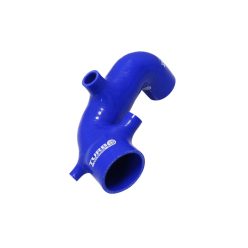
Net price: 43 €
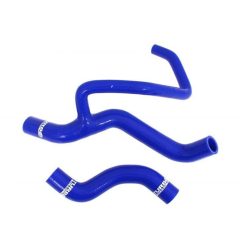
Net price: 39 €
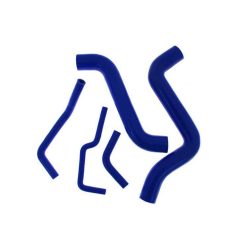
Net price: 49 €
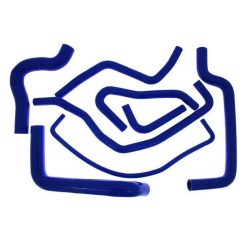
Net price: 90 €
Fiat silicone hose kits – vehicle-specific hose sets
Fiat-focused, vehicle-specific silicone hose sets are commonly searched as “silicone hose kit”; the goal is matching OE routing and connector geometry for more predictable fitment in the engine bay.
Technical background and integration
In many bays, hoses must accommodate heat and engine movement; silicone sections can support stress relief at joints and reduce side-load on stubs and fittings.
On turbo variants, correct bends and transitions can help maintain sealing consistency where couplers are short or access is limited.
For cooling circuits (kit-dependent), joint preparation plus the right clamp style supports leak control without relying on excessive clamp force.
- Routing: verify bends and overall length match the OE path.
- Connectors: confirm straight/elbow/reducer ends as listed.
- Retention: clamp choice and placement matter as much as the hose.
How to choose the right kit
Quick selection guide: filter by engine code and model year, then confirm which circuit the kit targets (coolant, charge-air, auxiliary) on the product card. For other marques, return to the main model-specific silicone hose kits page.
Use the product card to check dimensions (inch sizes may appear; mm often helps) and connector shapes, plus any included extras (kit-dependent).
- Fitment: engine code + variant + year should all align.
- Ends: bead/flange/adapter differences can appear across revisions.
- Contents: not every kit covers every hose run—verify scope.
Installation and common-issue prevention
Test-fit: position hoses loosely first, check for rub points, and ensure there’s no preload on the joint.
Prep: smooth stub surfaces, clamp behind the bead where applicable. Degrease using a manufacturer-recommended cleaner, then allow to dry completely before applying load/boost.
A frequent issue is clamp misplacement or over-tightening causing slip or a light weep under load; prevent it with correct placement, progressive tightening, and by avoiding petroleum-based products (e.g. WD-40) and aggressive solvents on joint surfaces.
PRO TIP: after the first heat cycles, re-check clamp position and retention—especially on short couplers and tight-radius bends.
FAQ
Which Fiat models do these kits fit?
Fitment depends on engine code, year and variant. Always follow the product card compatibility list and cross-check connector shapes against your OE hose.
How can I quickly confirm joints are installed correctly?
Check clamp sits behind the bead, hose ends aren’t kinked, there’s no rubbing, and stub surfaces are clean. After a load check, inspect for any “sweat” marks or clamp movement.
Silicone hose kit vs OEM rubber hose?
OEM hoses suit stock restoration, while a vehicle-specific kit can be useful when refreshing ageing runs or replacing damaged sections. Decide based on goals, access, and confirmed fitment.
What clamp type should I use?
It depends on diameter, stub design, and access. Choose a clamp that applies even load and can be positioned accurately behind the bead.
What if I see a minor leak at a connection?
When cold, re-check hose seating, clamp position and stub surface. If needed, clean again, re-position the clamp behind the bead, tighten progressively, then re-check after a load cycle.
