
Exhaust silencers (muffler inserts) are removable components that fit inside a performance muffler to fine-tune exhaust note, overall sound level and part of the flow behaviour without rebuilding the full rear section.
Start by checking inlet diameter, insert length and retention style; this page currently covers 3, 3.5, 4 and 4.5 inch options. Verify exact dimensions and specifications on the product card; in-stock items dispatch fast within the EU.
For reliable fitment, focus on the inlet size, the retention point and nearby thermal movement; that helps reduce the chance of rattles, a crooked insert or unnecessary load inside the muffler body.
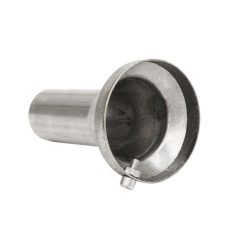
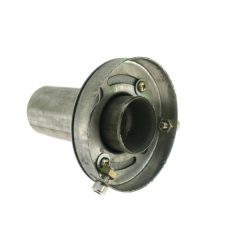
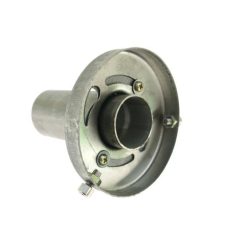
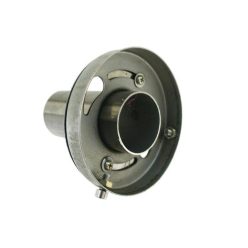
Exhaust Silencers: Exhaust Note Tuning and Fitment Considerations
These muffler-mounted sound-control inserts are useful when you want to refine exhaust character and day-to-day usability without replacing the whole rear section. They do more than change tone: inside the muffler they influence how gas paths are guided, how sound reflections behave and how well the insert stays centred once the system reaches operating temperature.
Technical background and system integration
The main starting point is size matching. The nominal inch figure matters, but so do overall length, entry shape and the way the insert is retained inside the muffler. The current range on this page covers 3, 3.5, 4 and 4.5 inch options, so comparing the product cards carefully is the safest route before ordering.
From a system perspective, thermal expansion also matters. Exhaust assemblies move, heat-cycle and vibrate, so an insert that is too tight or not properly centred can load the muffler internally, while an overly loose fit may lead to rattling, rotation or secondary noise that was not present before.
- Diameter: choose by the actual muffler entry size rather than relying on the name alone.
- Length: shorter and longer inserts can affect both placement inside the muffler and the resulting sound character.
- Retention: confirm whether the insert is supported by a screw, flange or another locating feature.
- Environment: allow for vibration, soot build-up and repeated heat cycles around the muffler outlet area.
How to choose the right one
Begin with the muffler inlet: measure the actual opening, then compare that figure with the nominal insert size and the listed length. If your muffler design gives more than one possible seating position, also check how much room remains between the insert end and the internal structure of the can.
On this page, the quickest method is to compare the product cards one by one and check size, length, product code and construction details together. For this category, side-by-side comparison inside the listing is often faster than guessing from the inch marking alone.
If your goal is exhaust note tuning, do not focus only on what physically fits. Also consider how much sound reduction you want and whether easy removal later matters for servicing, inspection or a future change in exhaust setup.
Installation and failure-prevention tips
Before final installation, clean the seating surfaces, check the retention point and test-fit the insert without fully locking it down. A good installation keeps the insert centred, avoids side-loading the muffler shell and leaves enough room for movement once the exhaust expands in use.
The most common issue is inaccurate fitment: symptoms may include rattling, a resonant secondary noise, an insert that starts to rotate or uneven heat marks inside the muffler. Prevention starts with accurate diameter checks, centred installation and a second inspection of the retention after the first heat cycle.
After the first drive, carry out a re-check of both position and retention. That first full warm-up often reveals whether the insert has stayed centred and whether there are soot traces, contact marks or signs that the insert is touching internally.
PRO TIP: If you are deciding between two close sizes, work from the real measured muffler size and confirm the listed insert length as well; fitment quality depends on both diameter and how far the insert reaches into the muffler.
FAQ
What is the most common failure or installation mistake?
First check whether the insert is fully seated, whether the retention point is pulling it off-centre and whether the side clearance inside the muffler is even. Then inspect soot marks, fastener position and any sign of internal contact after the first heat cycle.
What is the difference between a shorter and a longer insert?
A longer insert usually reaches further into the muffler body, which can change sound character and internal flow behaviour differently from a shorter version. The exact effect still depends on muffler construction, pipe size and the rest of the exhaust layout.
How do I know which inch size I need?
Measure the muffler entry point and compare that figure with the nominal size shown on the product card. This category currently includes 3, 3.5, 4 and 4.5 inch options, so the correct choice should come from the real measured diameter.
Do I need welding or modification?
That depends on the muffler design and the exact retention method of the insert. Before ordering, check both the product card and your own muffler construction to confirm whether it uses a simple retained fit or whether custom work may still be required.
Does an exhaust silencer mainly change sound, or performance as well?
An exhaust silencer insert is primarily used to tune sound character and reduce overall noise level. It can also influence flow behaviour, but the extent depends on muffler design, pipe diameter and the configuration of the full exhaust system.
