
The Engine Swap category delivers purpose-built parts for popular conversions, especially Nissan Patrol Y60/Y61 with BMW M57. You’ll find engine/gearbox mounts, turbo and cooling adapters, sensor blanks, PCV/EGR solutions, plus wiring looms and ECU/TCU brackets. Precise fitment and robust materials help you assemble the swap faster with fewer adjustments and a cleaner, serviceable installation.
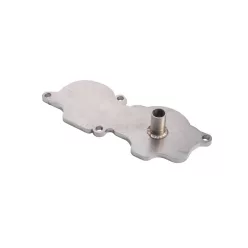
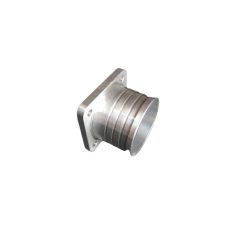
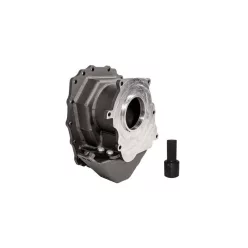
Net price: 1 042 €

Net price: 149 €

Net price: 151 €
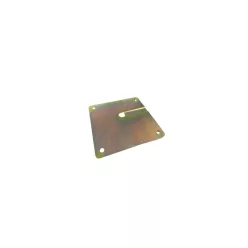
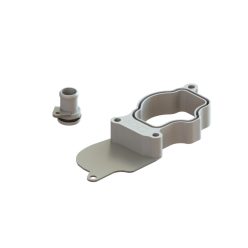
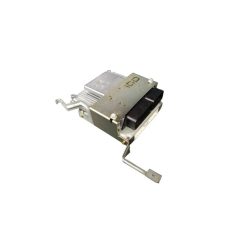
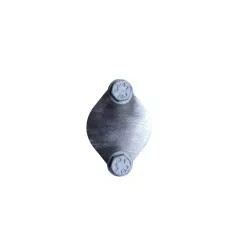
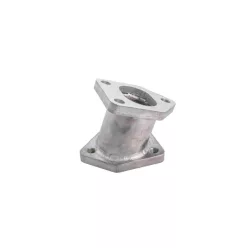
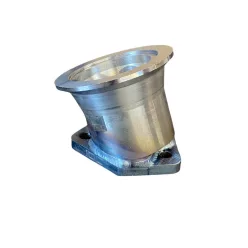
Net price: 139 €
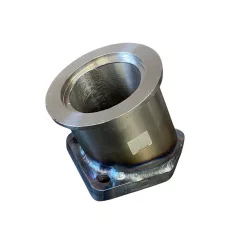
Net price: 146 €
Brief summary and key benefits
The Engine Swap range provides mechanical and electrical integration parts so your chosen powertrain fits the chassis cleanly and serviceably. Core items include swap-specific engine and gearbox mounts, turbo adapters and manifolds, cooling and hose adapters, oil and vacuum fittings, plus ECU/TCU brackets and dedicated wiring looms. A major focus is Nissan Patrol Y60/Y61 with BMW M57, where bolt-on components reduce fabrication time and help maintain correct driveline angles.
Technical Basics
Successful swaps balance mechanics, cooling/lubrication and electronics. Mechanically, correct mounting points keep engine position and propshaft angles in spec. On the exhaust side, the turbo adapter or flange matches the selected charger; on the intake side, silicone/alloy couplers, intercooler placement and MAP/IAT sensors must be planned. Cooling requires efficient airflow—shrouds and radiator diffusers help—while the oil circuit may need a take-off plate or cooler with reliable seals.
Electronics cover ECU (and sometimes TCU) placement, shielded wiring and robust grounds. Sensor compatibility for coolant temp, oil pressure and speed signals, as well as instrument-cluster integration, is swap-specific. PCV/EGR solutions and blanking components must respect local regulations; always verify road-use legality before modification.
Materials: high-strength steel for brackets, heat-resistant castings or CNC-machined aluminium for turbo/cooling adapters, quality gaskets and hardware (8.8/10.9/12.9). Proper O-rings and corrosion-resistant finishes (zinc, powder coat) make assembly and future service easier.
Selection Criteria
Engine & target: BMW M57 variants differ in ancillaries. Define your power goal and use case (touring, off-road, towing). Choose turbo hardware by balancing thermal load, transient response and top-end flow.
Fitment & packaging: check firewall clearance, fan shroud spacing, steering box and anti-roll bar location, and downpipe routing. Well-designed engine mounts not only set position but also control NVH with appropriate bush stiffness.
Cooling & oil: more power equals more heat; consider larger radiators, guided ducting and, when required, an oil cooler. Avoid restrictions—match hose ID and adapter ports to system flow. Threaded adapters simplify coolant and oil temperature sensor placement.
Electronics & CAN: factory cluster operation may call for signal conditioning. Use heat-sleeved looms, solid ground stars, and plan immobiliser/pedal integration early. Document pin-outs and configure the harness to allow diagnostics access.
Compliance: road legality is jurisdiction-dependent. Check approval/inspection requirements and insurer policies before starting the build.
Installation & Maintenance
Start with a layout plan: engine position, propshaft angles, intake/exhaust routing and airflow. Trial-fit brackets dry, then torque to spec. Always use new gaskets and rated fasteners; shield heat-sensitive electronics near the exhaust. Before the first start, bleed the cooling system, prime oil and check for leaks. After a shakedown drive, re-torque critical fasteners at 100–200 km, verify fluid levels and perform periodic visual inspections.
Troubleshooting: for no-start conditions check power supply and primary grounds; for rough running validate MAF, MAP and injector signals. Overheating? Inspect shroud fit and fan control. Excess crankcase pressure often points to PCV plumbing issues.
FAQ
How long does an M57 → Patrol swap take?
Depends on vehicle condition and target spec; purpose-built brackets and a pre-made loom save substantial time.
Do I need an oil cooler?
For heavy off-road or towing, yes—monitor oil temperature and position the cooler for clean airflow.
Will factory gauges work?
Usually with signal adapters and proper sensor placement, but details are vehicle-specific.
Which turbo is best for the road?
Smaller inertia units give better response; larger compressors add top-end flow but spool later.
What are the first-start checks?
Confirm oil pressure, bleed the coolant circuit, check for leaks and verify mount torque.
