
A drift spacer is a wheel spacer fitted between the hub and wheel, typically in bolt-on form, to widen track width, correct wheel position and keep the assembly properly centred under lateral load.
Here you’ll find mainly SLIDE options in 40-100 mm sizes, with 5x114.3 or 5x120 PCD and 66.1 or 72.6 mm centre bores. Verify exact dimensions and specifications on the product card; in-stock items dispatch fast within the EU. Choose by centre bore, PCD, thread pitch and required thickness per side.
Before fitting, confirm wheel-pocket clearance, stud protrusion and a clean hub face, because smooth running often depends on full, even contact. Use the filters first, then open the product card to confirm hardware and fitment details.
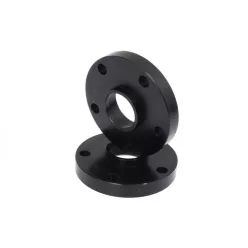
Net price: 223 €
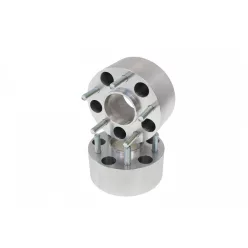
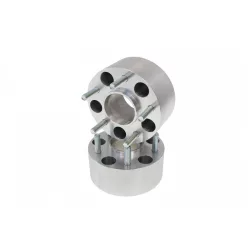
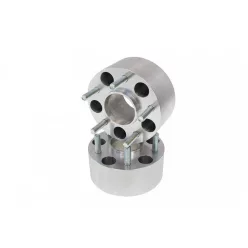
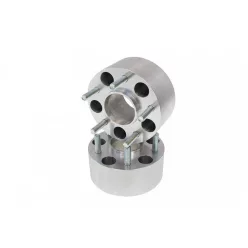
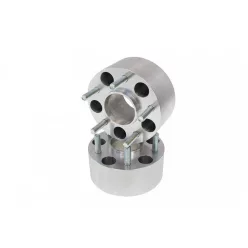
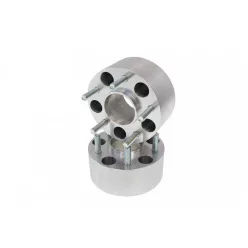
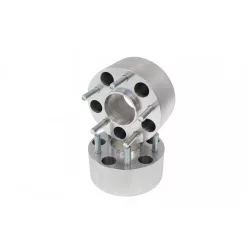
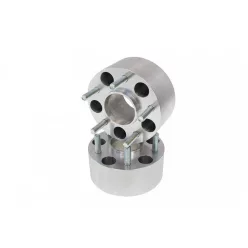
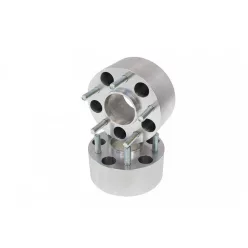
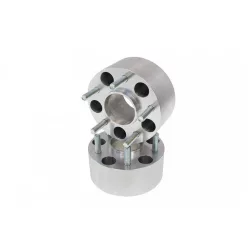
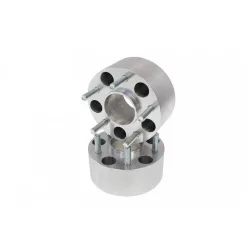
Drift Spacers - precise wheel position, concentric fit and drift-ready spacing
In this category, a drift spacer is the wheel-spacing component used to move the rim outward, tune the wheel position against the arch and suspension, and keep the assembly properly centred once the car sees real side load. On a drift car, appearance is only part of the story; full contact area, clean fitment and installation discipline matter just as much.
Technical background and system integration
PA6 duralumin body construction and bolt-on architecture are common here, but the real fitment decision comes from the exact combination of thickness, centre bore, PCD and supplied hardware shown on each product card. In this range you’ll see 40-100 mm sizes per side, 5x114.3 and 5x120 PCD options, and 66.1 or 72.6 mm centre bores.
Hubcentric fit matters because the centring lip and the wheel’s centre bore work together to support cleaner alignment at the mounting face. That becomes more relevant on cars with higher steering angle, tighter wheel-to-arch clearance or aggressive suspension geometry.
Hardware details also change by application, with M12x1.25 or M12x1.5 threads and different included nuts or bolts depending on the listing. Some product cards also show 10.9-grade fasteners, so it is worth checking the exact pack contents instead of assuming every spacer uses the same fixing method.
How to choose the right one
Quick selection guide: first decide how much thickness per side you can use without the tyre touching the arch, inner liner or suspension parts at full steering lock and compression.
- PCD: the spacer pattern must match the hub; in this category that usually means 5x114.3 or 5x120.
- Centre bore: 66.1 or 72.6 mm only works when both the hub and the wheel-side centring are correct.
- Thickness: 40-100 mm per side can change wheel poke, effective offset behaviour and arch fill, so measure both sides of the car rather than guessing.
- Thread: confirm whether your car needs M12x1.25 or M12x1.5 hardware and check whether the selected spacer includes nuts, bolts or a complete fitting set.
On this page, the filters and product cards give the fastest fitment check, because spacer size, centring and hardware must all line up together for a usable drift setup.
Installation and failure-prevention tips
Contact surfaces means a clean, flat hub face, a burr-free spacer back face and a wheel rear pocket that does not clash with protruding studs or the spacer’s own mounting hardware. Even a thick spacer will not sit correctly if the wheel has too little pocket depth for the chosen arrangement.
Tightening sequence matters: seat the spacer on the hub first, tighten the inner fasteners in a diagonal pattern following the manufacturer’s method, then fit the wheel and secure that in a cross pattern. This is a mechanical joint, so clean threads and even seating matter more than rushing the job.
Post-fit inspection should happen after the first short road test or shakedown lap: look at the contact marks, listen for vibration and confirm that wheel clearance and free rotation stay consistent through full steering lock. On cars with aggressive camber or wider tyres, repeat the check under loaded suspension conditions as well.
Common failure: if paint, rust, debris or burrs sit between the hub and spacer, the spacer cannot clamp against the full face; a typical sign is fine vibration under load or a joint that gradually loses clamp consistency. Strip the parts back, clean the mating faces flat, inspect the centring lip and wheel pockets, then reassemble in the manufacturer’s sequence.
PRO TIP: On a drift car, do not judge spacer thickness from static ride height alone; make the final call with full steering lock, suspension load and the actual tyre sidewall you plan to run.
FAQ
What is the most common installation mistake with drift spacers?
The usual miss is failing to inspect the hub face, full spacer seating, usable thread engagement, centring lip condition and wheel-pocket clearance in sequence before the car goes back on the ground. If any point shows interference, partial contact or angled seating, correct that first rather than trying to tighten through it.
How is a bolt-on drift spacer different from a slip-on spacer?
A bolt-on spacer mounts to the hub with its own hardware and then accepts the wheel, which can make it a more orderly solution for larger thicknesses and drift use. A slip-on spacer relies more heavily on the original stud length and wheel design, so fitment becomes more dependent on the base hardware already on the car.
Can a spacer also help correct wheel offset?
Yes, many builds use spacers to move a wheel outward when the chosen rim has a higher offset than the target setup needs. Even then, the final decision should be based on real clearance to the arch, suspension and steering angle rather than offset figures alone.
What should I inspect after the first use?
Check the mating-face witness marks, recheck the fasteners to the manufacturer’s method, spin the wheel to confirm free running, then inspect clearance at full lock. It is also worth looking at the back of the wheel for any sign that the hardware has been touching where it should not.
Is a thicker spacer always better for drifting?
Not necessarily. More thickness can help with stance and certain fitment targets, but it can also reduce the available space to the arch, tyre and suspension more quickly, so the correct choice should come from measured clearance rather than appearance alone.
