
A differential (diff) manages wheel-speed difference across the driven axle and, depending on design, can also influence how torque is shared when grip changes. In this category you will find LSD units, helical designs and selected final-drive gear options for road or track builds.
Choose by vehicle platform, driven axle, gearbox type, final-drive ratio and carrier or ring-gear compatibility, because the correct part is often defined by more than model name alone. Verify exact dimensions and specifications on the product card; in-stock items dispatch fast within the EU.
For predictable operation after installation, treat bearing setup, backlash and tooth contact pattern as part of fitment, not as an afterthought.
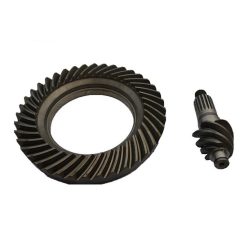
Net price: 313 €

Net price: 2 137 €
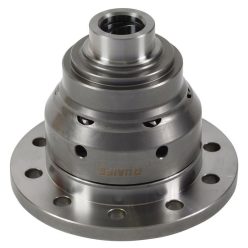
Net price: 2 137 €

Net price: 2 137 €
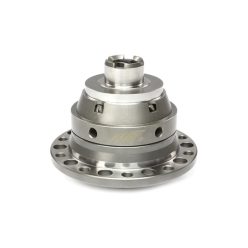
Net price: 910 €
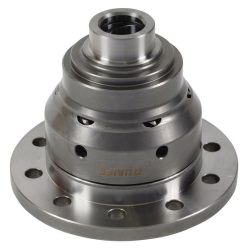
Net price: 1 408 €

Net price: 1 408 €
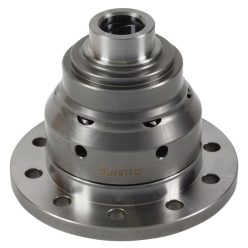
Net price: 1 408 €

Net price: 1 408 €
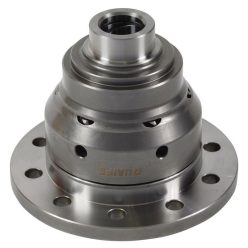
Net price: 1 408 €
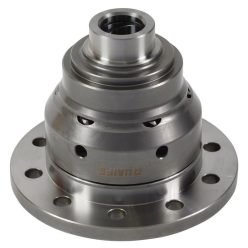
Net price: 1 408 €
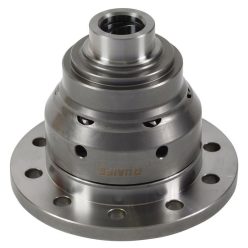
Net price: 2 137 €
Differentials – Fitment, Traction and Drivetrain Control
The driven-axle diff does more than let the left and right wheels rotate at different speeds; depending on design, it can also shape how torque is shared, which is why the right part can support loaded traction and cleaner corner-exit behaviour.
Technical background and system integration
Open vs limited slip: a standard open unit mainly handles wheel-speed difference, while a limited-slip design can change how the car reacts when grip varies across the axle. That is often most noticeable on corner exit, in mixed-grip conditions and during harder acceleration.
Helical behaviour: helical or torque-biasing designs often give a progressive response, while other LSD layouts may deliver a different locking feel. That is why the intended use matters just as much as the badge on the box.
System fitment: with a differential you are not selecting a standalone part only, but a component that must match the housing, bearings, ring gear, final drive and sometimes the output or driveshaft interface. Where a crown wheel and pinion or a complete exchange unit is involved, setup quality matters as much as the part number.
- Platform: filter by model, generation, engine and production range, because one vehicle line can use more than one differential housing.
- Axle: front, rear and four-wheel-drive layouts can require very different differential configurations.
- Gearbox: manual and automatic applications often split compatibility even when the engine family is the same.
- Final drive: when choosing a gear set or complete unit, ratio, housing code and related hardware all need to line up together.
How to choose the right one
Quick selection guide: use the filters for car brand, price and manufacturer, then open the product card and confirm the exact platform, driven axle, gearbox and part code shown in the title. In this category, model name alone is rarely enough to close the decision safely.
Product card check: if the car is mainly road-driven and you want smooth, progressive behaviour, a helical LSD is often a sensible direction; if the project is focused on ratio change or replacing worn final-drive hardware, think in terms of a gear set or a complete exchange unit instead. Always confirm the housing and final-drive match together.
If one model was sold with multiple final drives or more than one carrier design, use the product card, compatibility notes and photos together before you make the final choice.
Installation and failure-prevention tips
Clean foundation: undamaged mounting faces, correct bearing position, healthy adjusters and the manufacturer’s tightening sequence matter more than any generic rule of thumb. The best result comes from setting the unit up for the exact housing and gear set it will run with.
Typical issue: if you hear a load-sensitive whine, rumble or unusual drivetrain noise after installation, the root cause is often not the differential itself but ring-and-pinion backlash, bearing preload or side adjustment that does not match the manufacturer setup; accurate measuring tools, a checked contact pattern and application-correct install parts are the best prevention route.
First inspection: after the initial heat cycles and road test, recheck sealing, oil level, witness marks on fasteners and the overall noise pattern. If a gear set or exchange unit was fitted, documented contact-pattern notes can be very useful later.
PRO TIP: lock down the driven axle, gearbox type and final-drive details on the product card before comparing brands or prices; with differentials, correct fitment usually matters more than the name on the carton.
FAQ
What is the most common installation mistake to check for on a differential?
Start by confirming the part number, housing code, driven axle and gearbox application. Then inspect bearing condition and shim or adjuster setup, followed by tooth contact pattern, oil level and fastening evidence. If several points do not line up, review the full system fitment rather than only the part itself.
What is the difference between an LSD and a final-drive gear set?
An LSD mainly changes torque distribution and traction behaviour across the driven axle, while a final-drive gear set changes the ratio behaviour of the drivetrain. They solve different problems, so the right choice depends on whether your goal is traction character or gearing.
Can a differential upgrade still make sense on a road car?
Yes, provided the application is correct and the installation is set up properly for the vehicle. On a road build, predictable behaviour, noise level and long-term compatibility usually matter more than choosing the most aggressive option available.
What should I verify when buying a crown wheel and pinion or exchange unit?
Check ratio identification, housing code, bearing requirements and any related hardware needed for assembly. Reusing worn support parts next to a fresh unit can introduce avoidable variation into the setup.
How can I tell that the selected product is probably not the right fit?
Warning signs include a different driven axle, gearbox type, final-drive specification or platform than the one listed for your car. If the naming looks only partly similar, let the detailed compatibility data make the decision.
