
Datsun silicone hose kits (silicone hose kit) are model-matched sets designed to suit common coolant and intake-side routing, helping you keep a tidy layout and reduce guesswork during replacement.
Choose by exact model/engine and check the bend layout and connection style so the hoses don’t sit under twist, don’t kink, and there’s room for clamps where you can still access them.
Use filters, then confirm details on the product card; good results come from clean mating surfaces and secure clamping. Verify exact dimensions and specifications on the product card; in-stock items dispatch fast within the EU.
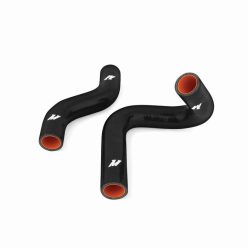
Net price: 154 €
Datsun Silicone Hose Kits – Model-Matched Sets for Cleaner Routing
These sets are for anyone looking for a Datsun silicone hose kit (silicone hose kit) to keep a factory-style route and consistent joints, especially where tight packaging makes generic pieces harder to align.
Correct fitment can also support component protection by handling vibration and movement more gracefully, reducing side-load on stubs and fittings while maintaining a stable sealing interface.
Technical background: why kits often install better
Model-specific kits typically come with pre-formed bends and sensible section lengths, which can reduce rubbing points and help avoid forced kinks in corners and tight passes.
When hoses aren’t preloaded, thermal movement and engine rock are easier to accommodate, which can improve joint stability across heat cycles.
- Diameters: Hose ID and wall thickness affect seating depth and which clamp styles work best in the available space.
- Bends: Bend geometry supports kink-free routing and can reduce contact with sharp edges or moving parts.
- Clamps: Clamp band width and smooth contact influence how evenly the sealing zone is compressed.
How to choose the right Datsun kit
Quick selection guide: Confirm model, engine variant and year, then check the product card for which circuits are covered (coolant, intake-side joins, auxiliary branches) and the listed IDs (common inch sizes with mm where helpful).
To compare other model options, use the Model-specific silicone hose kits main category.
- Model year: Small year-to-year changes can alter hose routing and connection stubs.
- Engine: Carb vs injection and different engine families may use different take-offs and diameters.
- Connections: Check spigot length/beads and confirm you have a proper clamp landing area.
- Extra branches: PCV/vacuum/aux take-offs may vary by kit—use the product card notes.
Installation and failure-prevention tips
Dry fit first: place hoses without clamps, verify full seating, clamp access, and ensure the route avoids sharp edges, abrasion points and moving components.
degrease using a manufacturer-recommended cleaner, then allow to dry completely before applying load/boost, and avoid petroleum sprays (such as WD-40) or aggressive solvents as they can reduce friction and affect sealing behaviour.
Common failure: If a hose isn’t fully seated or a clamp sits too close to a bend/bead edge, heat cycling can let the hose creep and cause light weeping; prevent this by relaxing the route, positioning clamps on the sealing zone, and re-checking after initial heat cycles.
For other compatible sets and variants, the Model-specific silicone hose kits hub is a practical reference point.
PRO TIP: Mark the hose position on the spigot with a small line—if it moves after heat cycling, you’ll spot it instantly during inspection.
FAQ
What can a Datsun silicone hose kit include?
It usually includes multiple model-matched hose sections for the circuits listed on the product card (commonly coolant and intake-side joins, sometimes auxiliary branches). Always confirm exact contents, sizes and coverage on the product card.
How do I make sure it fits my exact Datsun?
Verify model, year and engine variant, then compare the product card application notes to your current routing and connection stubs. If the car has been modified, measure key diameters and check connection styles before ordering.
Kit vs universal hose sections: which is better?
Kits tend to suit factory-style routing because bends and lengths are pre-defined, which can simplify installation. Universal sections can be useful on custom routing. Let your current layout and the product card data drive the choice.
If I see weeping at a joint, what should I check?
Confirm full seating depth, clamp placement on a proper sealing area, and that any cut end is square and clean. Inspect the spigot for burrs/sharp edges, verify the hose isn’t twisted or pulling sideways, and re-check after initial heat cycling as movement often shows up then.
Can I mix kit parts with older hoses or different couplers?
You can, but pay close attention to diameter transitions, clamp landing areas and spigot length, as mixed setups can be more sensitive to alignment. Use the product card guidance plus real measurements from your car to avoid mismatches.
