
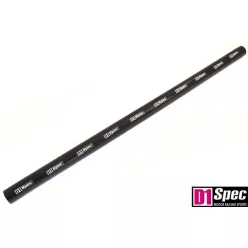
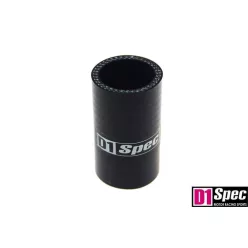
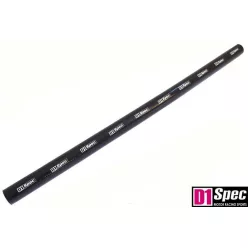
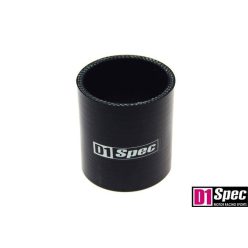
A D1Spec Black silicone coupler (D1Spec fekete szilikon csatlakozó) is a flexible connector used between pipes for elbow/reducer/joiner-style connections, helping manage engine movement and thermal expansion while supporting sealing surfaces.
Pick by inner diameter (inch/mm), geometry, leg length, wall thickness and clamp style so the joint sits cleanly and does not run in constant twist. Verify exact dimensions and specifications on the product card; in-stock items dispatch fast within the EU.
Use filters to narrow by size and shape, then confirm each product card before adding clamps.
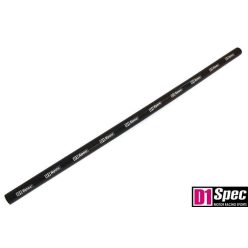
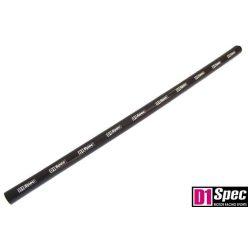
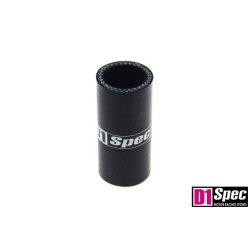
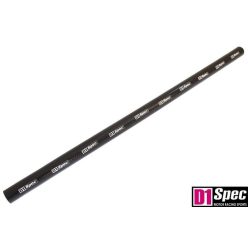
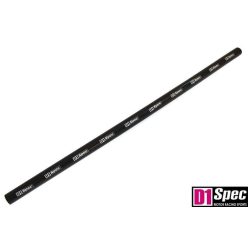
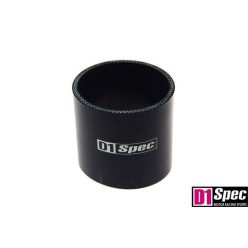
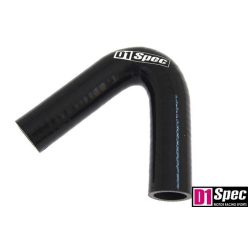
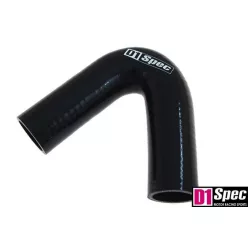
D1Spec Black Silicone Couplers – what they do
D1Spec Black silicone couplers (D1Spec fekete szilikon csatlakozók) are flexible pipe connectors used for elbow, reducer or straight-join transitions. They are typically chosen to add compliance between hard sections, helping absorb vibration and thermal movement so the joint is less likely to be stressed by minor misalignment, while maintaining a consistent sealing interface.
Technical background and load paths
In an engine bay, heat cycles and engine movement can shift pipework relative to brackets, intercoolers and throttle bodies. A correctly sized coupler can help reduce concentrated stress at pipe ends and distribute clamp load more evenly, depending on construction. The best outcome usually comes from combining a suitable geometry (angle/transition), enough straight engagement for clamps, and pipe ends that support retention.
- Geometry choices: elbows (various angles), reducers, and straight joiners—selected for clearance and routing.
- Key dimensions: inner diameter, leg length, wall thickness and bend radius set clamp landing area and packaging.
- Pipe ends: beaded/rolled ends often help resist movement when clamps are positioned correctly.
How to choose the right one
1) Measure pipe outside diameter and match to coupler inner diameter (inch sizes are common; mm equivalents help). 2) Confirm leg length so each side has enough straight engagement for a stable clamp position and any bead/rolled edge. 3) Pick the geometry that achieves the route without forcing twist or side-load into the joint.
To compare angles and reducer options across the range, browse the parent category: Silicone Elbows and Reducers.
Installation, cleaning and clamp positioning
Dry-fit to confirm alignment first: the coupler should sit naturally with even seating on both sides. Where possible, use beaded pipe ends and position the clamp just behind the bead for improved retention. Avoid oily residues and do not rely on petroleum-based “slip” sprays on silicone, as reduced friction can compromise holding.
degrease using a manufacturer-recommended cleaner, then allow to dry completely before applying load/boost
For related geometries and matching options, you can also navigate via Silicone Elbows and Reducers.
PRO TIP: After the first heat cycle, re-check clamp position and joint seating—small settling can happen once the coupler has warmed up and cooled down.
FAQ
What is the most common failure or installation mistake?
Most problems come from clamping on an un-degreased pipe end, insufficient straight engagement, or poor clamp placement, allowing the coupler to creep or pop off under load; signs include a light whistle, an oily ring at the joint, or unstable boost/air leaks. Prevent it by keeping the joint clean and dry, using beaded ends where possible, placing the clamp behind the bead, and ensuring the coupler is not installed in torsion or side-load.
D1Spec Black vs generic silicone couplers—what should I compare?
Compare the sizing (ID/leg length), geometry fit, and the product-card construction notes that affect shape retention and clamp landing area; the “black” variant mainly supports a consistent engine-bay look and easier matching with other black hosework.
How do I size when my pipe is metric but listings are in inches?
Start from pipe OD:
1) measure with calipers,
2) match the nearest coupler ID on the product card,
3) confirm leg length and clamp range,
4) test-fit for even seating without bunching.
Which clamp type should I use?
Depending on the setup, worm-drive, T-bolt or constant-tension clamps can work; focus on correct diameter range, smooth band edges, and placing the clamp on a stable sealing zone rather than on an edge.
Quick diagnostic checklist for leaks or movement?
Check:
1) oil/film on the pipe end,
2) clamp position relative to a bead,
3) torsion or side-load in the installed route,
4) clamp marks/cuts on silicone,
5) any shift after a short heat cycle.
