
The Cutter Style AN Fittings category groups swivel AN fittings where the “cutter” style is designed to support reliable hose-end assembly in motorsport-type fluid lines.
When choosing, focus on size (AN), the angle (straight/45°/90°) and any thread call-outs such as NPT, then open the product card to confirm exact compatibility. Use filters and sorting to narrow the list quickly, and add the correct fitting to your basket.
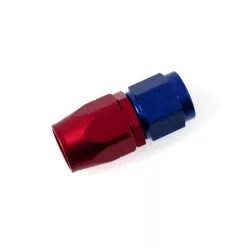
Net price: 11 €
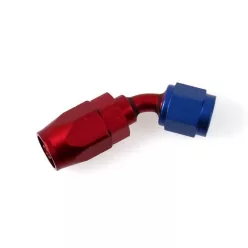
Net price: 16 €
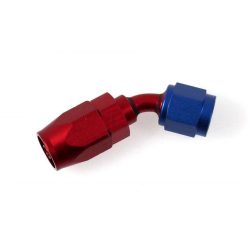
Net price: 14 €
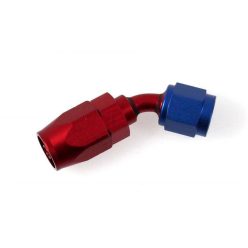
Net price: 16 €
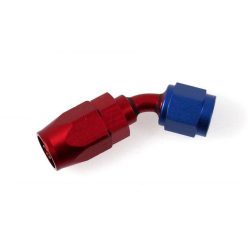
Net price: 17 €
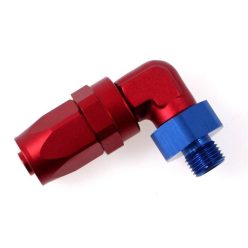
Net price: 17 €
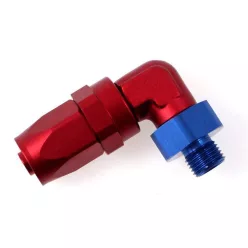
Net price: 17 €
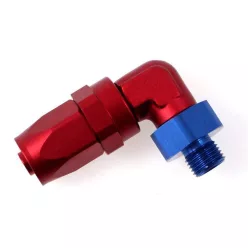
Net price: 17 €
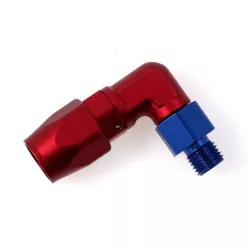
Net price: 18 €
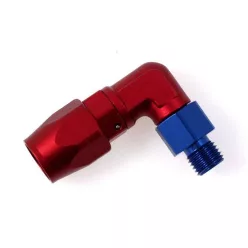
Net price: 18 €
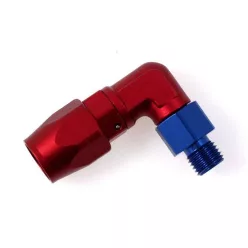
Net price: 18 €

Net price: 13 €
Cutter Style AN Fittings – hose-end focused fittings for cleaner routing and easier servicing
Cutter Style AN Fittings help you build dependable junctions at the most critical point of a fluid line: the hose end and the fitting. This matters when you rework fuel, oil or coolant routing and want consistent assembly, tidy packaging and quick visual checks.
Swivel designs are common in this type of range, letting you clock the fitting without twisting the hose and making tight engine-bay routing more practical. You’ll also see different angles (straight, 45°, 90°) and thread call-outs, so matching standard and thread on both sides of the connection is essential.
Technical Basics
AN sizing is widely used in motorsport plumbing, but selecting “AN-6” or “AN-10” alone is not enough—hose construction, fitting geometry and the sealing method all matter. The “cutter” label typically points to an internal design intended to secure the hose end during assembly, so following the manufacturer’s assembly method is the safest route.
If a part includes an NPT (tapered) side, treat the sealing principles separately: NPT generally seals on the thread with a suitable sealant, while AN-type sides typically seal on a dedicated surface rather than the thread. Use only a sealant that is compatible with your fluid (fuel/oil), and avoid over-tightening to prevent thread or seat damage.
Warning: on fuel lines, always perform a careful leak check after installation and secure the hose run so vibration does not load the joint.
Selection Criteria
Start with size and hose type: the hose’s material and construction (for example rubber- or nylon-based designs) affects which hose end and cutter-style fitting will assemble correctly. Where there is any doubt, verify the product page notes and use the hose manufacturer’s specification as the reference.
Next, pick the geometry that protects the hose: a 45° or 90° elbow can be better than forcing a tight bend, because it reduces kinking and stress. A swivel body can improve clocking and access, but plan for tool clearance and future inspection, not just first-fit installation.
Finally, confirm the “other side” of the fitting: if you are joining to an adaptor, stud or sensor housing, check the thread type (such as NPT) and where the seal is meant to form. Most slow leaks come from mismatched threads or mixed sealing concepts rather than the AN size itself.
Installation & Maintenance
Prep matters: make a clean, square cut on the hose, keep debris out, and work with clean parts to protect sealing surfaces. With cutter-style hose ends, assemble in the specified order and avoid twisting the hose while tightening—twist can preload the joint and cause seepage later.
Where NPT is involved, apply thread sealing sparingly and keep sealant away from the flow path. After installation, perform a leak check at operating temperature if it is safe to do so, because heat cycling and vibration are what reveal marginal joints.
For maintenance, inspect for wetness, odour, staining and hose chafe near the connection. If you frequently disassemble the system, keep an eye on the seat and threads—damage here can cause leaks even with a perfect hose.
FAQ
How do I choose the correct AN size?
AN size is driven by hose spec and the flow you need, but the final decision should match the hose construction and the fitting’s intended design. Check the product naming and confirm that the standard and sealing method match what you are connecting to. In mixed builds, the smallest restriction usually dictates the overall performance.
What does “cutter style” mean for assembly?
“cutter style” generally refers to an internal geometry intended to secure the hose end during assembly. It is not universal across all hose types, so you should pair it only with hoses the manufacturer lists as compatible. When anything is unclear, rely on the hose and fitting specifications rather than assumptions.
Do I need sealant on NPT threads?
On NPT, thread sealing is typically required because the taper is part of the seal. Choose a sealant that is compatible with your fluid and apply it carefully so none enters the line. Do not “seal” an AN-style sealing surface with thread sealant unless the manufacturer explicitly calls for it.
Is 45° or 90° the better option?
45° often works when you need a gentle direction change with limited space, while 90° is best for an immediate turn. Decide based on hose minimum bend radius, clearance and service access. The best choice is the one that avoids kinks and leaves room for inspection.
Can these be used on fuel systems?
Yes, AN fittings are commonly used on fuel plumbing, but safety depends on hose rating and correct assembly. Verify chemical compatibility for the fuel you run and always perform a leak check after installation. If any spec is uncertain, follow the manufacturer’s guidance.
Choose by standard and geometry, confirm compatibility on the product page, and order the fitting that matches your build.
