
Coolants and additives (coolant additives) support the thermal management of a liquid-cooled engine: they can help heat transfer, reduce corrosion risk and be gentler on the water pump area so the system reacts more predictably during changing load.
If the existing fluid is known and in good condition, an additive may make sense; if you are carrying out a full service, a ready-mixed coolant is usually the cleaner route. Choose by system materials, usage pattern and the product card specifications, not by name alone.
Verify exact dimensions and specifications on the product card; in-stock items dispatch fast within the EU. After filling, bleeding the system and checking hot and cold levels are just as important as selecting the right fluid type in the first place.
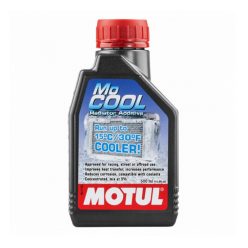
Net price: 13 €
Net price: 12 €
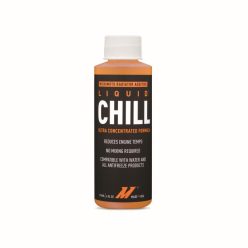
Net price: 18 €
Coolants and Additives for More Predictable Thermal Control and Cooling System Protection
This category covers fluids and additives used in the cooling circuit; in builder language these are often grouped as cooling-system products (coolant products). Their job is to support stable thermal control, help protect mixed-material systems and make temperature behaviour easier to read during road use, track days or repeated heat cycles.
Technical background and system integration
A cooling system is not defined by the radiator alone: the block, cylinder head, thermostat, water pump, cap and hose layout all influence how the circuit behaves. The right product can support heat transfer while also helping the system feel more even during load changes.
Modern cooling circuits often combine aluminium, steel, plastics and elastomers, so fluid choice also matters for long-term component condition. When comparing options, material protection, deposit tendency and compatibility with the existing fluid chemistry should be considered together.
- Additive: usually makes sense when the current coolant is known, in good condition and the goal is fine-tuning or added system support rather than a full refill.
- Premix: can simplify filling because the manufacturer has already set the ratio, reducing one common source of workshop error.
- System view: always judge the whole circuit, not just the bottle label, because cap condition, hose routing and bleed points affect the result as much as the fluid itself.
- Compatibility: if the history of the coolant is unclear, confirm chemistry and system materials before adding anything new.
How to choose the right one
Quick selection starts with one decision: are you performing a full coolant change, or adding support to an existing and known fluid? A ready-mixed coolant suits the first case more often, while an additive suits the second only when compatibility is already clear.
System condition should guide the choice: if the old fluid looks discoloured, contaminated or simply unknown, topping up is not the first question. First decide whether the system needs a clean baseline before any additive is considered.
- Use case: road driving, track work and repeated high-heat use may call for different service habits and inspection intervals.
- Pack size: choose by total system volume and by whether you are correcting, refreshing or refilling the whole circuit.
- Product card: confirm exact specification, pack size and compatibility notes on the individual listing rather than relying on the category name alone.
On this page, filters and product cards are the fastest way to narrow by fluid type, pack size and fit-for-purpose details, so it is better to refine the exact cooling product than to look for a separate subcategory route.
Installation and failure-prevention tips
Preparation should include checking the expansion tank, radiator cap, clamps, joints and the condition of the old fluid before anything new goes in. If you see oily traces, brown deposits or unusual discolouration, investigate the cause first instead of masking it with fresh fluid.
Follow the manufacturer’s fill and bleed sequence, especially on systems with several bleed points or long hose runs. Degrease using a manufacturer-recommended cleaner, then allow to dry completely before applying load/boost.
A common mistake is adding a new additive or coolant into partly aged or partly unknown fluid, then assuming the product is at fault when trapped air causes temperature fluctuation under load and the cabin heater starts behaving differently. You reduce that risk by confirming what is already in the system, following the bleed sequence carefully and re-checking level and dry joints after the first heat cycle.
Post-check means reviewing level both cold and at operating temperature, watching heater consistency and checking whether any dampness remains around the cap, tank or joints. Judge the result over several heat cycles rather than from one short idle test.
PRO TIP: If the cooling circuit combines several aftermarket parts and mixed materials, choose the fluid around the logic of the whole system, because the coolant is only one part of how the thermal package behaves.
FAQ
When is an additive enough, and when is a full coolant change the better move?
An additive can be a sensible option when the fluid already in the car is known, in good condition and confirmed as compatible with the new product. If the service history is unclear or the fluid looks tired, a full change usually gives you a cleaner starting point.
What is the difference between a premixed coolant and an additive?
A premixed coolant is intended as the main fill fluid, while an additive is typically used alongside an existing and suitable coolant. They solve different workshop situations, so decide whether you are refilling or fine-tuning before choosing.
Can the same product work for both road use and track days?
Some products may suit both environments, but the service routine, heat load and inspection frequency can still differ. Check the individual product listing for the intended use pattern and system notes.
What is the most common failure or installation mistake?
Start by checking the cold level, then inspect the bleed points, radiator cap condition, heater operation and the joints around the system. After that, compare the fluid you used with the manufacturer guidance before deciding whether you need a top-up, a re-bleed or a full replacement strategy.
Can different coolant types or additives be mixed?
Only do that when the manufacturer information clearly allows it. If compatibility data is missing or vague, it is safer to work from one known specification and a clear refill plan.
