
Conical (Flare) Union Adapters (AN/NPT) and Dry Break Connectors is for linking AN and NPT interfaces in a straight line, or adding a dry break (low-spill) disconnect point in fuel and oil plumbing. Union adapters simplify line extensions or repairs, while dry break couplings are chosen when you want cleaner, faster servicing.
For other fitting families, go back to Fittings and Threaded Adapters. Use filters for Size and thread, sort the list, then open the product page to confirm the sealing method (37° flare/O-ring/thread seal). Pick the compatible part and place your order.
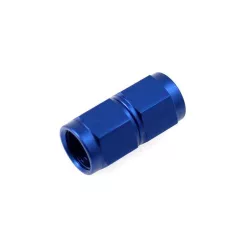
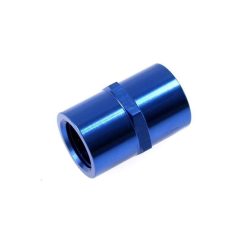
Net price: 4 €
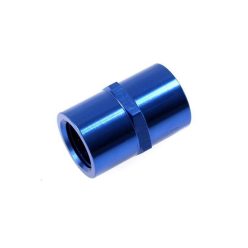
Net price: 3 €
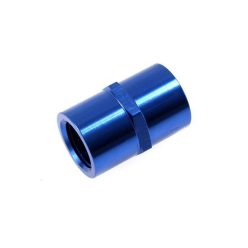
Net price: 3 €
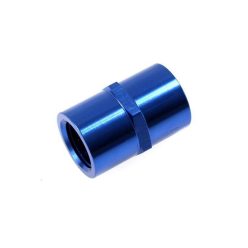
Net price: 3 €
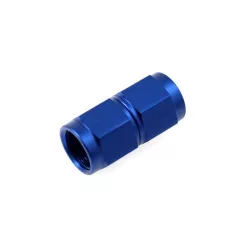
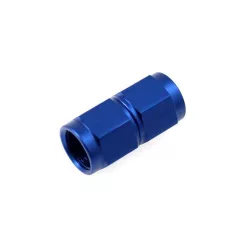
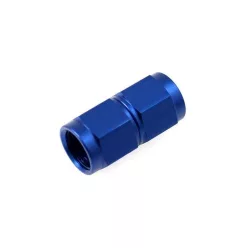
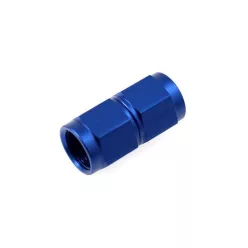
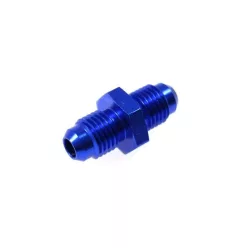
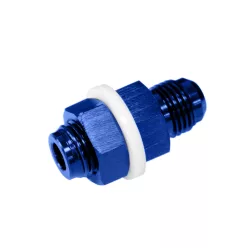
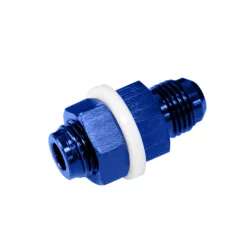
Conical (Flare) Union Adapters (AN/NPT) and Dry Break Connectors – clean routing, service-friendly joints and controlled disconnects for fuel/oil systems
Conical (Flare) Union Adapters (AN/NPT) and Dry Break Connectors brings together parts used either to join two sections in a straight run with a union adapter, or to introduce a dry break (quick disconnect) point designed to reduce spillage during separation. These components are common in motorsport and performance builds where frequent servicing and tidy hose management matter.
A union adapter makes it easier to rework a section without re-making the entire line, while a dry break coupling can make routine tasks cleaner and faster. For best results, treat interface type, sealing method and real-world packaging as equally important, not just “does it thread on”.
Technical Basics
On the AN side, sealing is typically made at a 37° flare seat (JIC-style), not on the thread. If a union joint weeps, a damaged or dirty seat is a more common cause than low torque, so inspect the sealing faces first.
NPT is a tapered thread and often seals on the thread itself, which is why thread sealant (for example PTFE) is frequently used where appropriate. One short warning: do not mix similar-looking thread standards, as near-matches can damage ports and still leak under pressure.
Dry break connectors use internal shut-off features to reduce fluid loss when disconnected. Depending on design, they can require more space and may influence flow, so always confirm the manufacturer’s specs for size, pressure rating and intended fluid before committing to an install.
Selection Criteria
First, decide whether you need a union adapter (straight join/extension) or a dry break coupling (fast, cleaner disconnect). For unions, match both ends by thread/standard and sealing method; for dry breaks, also plan where the disconnect will sit and how often it will be used.
Next, verify the sealing approach at each interface: AN flare seat, NPT tapered thread with sealant, or a design that relies on an O-ring. If a listing references “flare”, treat the mating seat quality and compatibility as a primary check, not an afterthought.
Finally, consider servicing and packaging: allow spanner access, avoid side-load from hose routing, and make sure the disconnect point is reachable without putting strain on the line. In fuel systems, a well-placed quick disconnect can be a big usability win, but only when the rest of the system (hose type, filters, regulator/rail ports) matches your operating conditions.
Installation & Maintenance
Clean threads and sealing faces before assembly, because small debris can cause persistent weeping. Protect 37° flare seats from nicks, and use thread sealant on NPT only as specified, keeping excess material out of the flow path.
With dry break couplings, pay attention to orientation and full engagement so the internal shut-offs seal correctly. After assembly, pressure-test the system, then re-check after heat cycling, as minor leaks often show only under real temperature and pressure.
During maintenance, inspect sealing faces, any O-ring elements and the connector body for wear or damage. If the system is disconnected frequently, treating seals as consumables and assembling cleanly is typically more reliable than repeatedly tightening joints.
FAQ
What is a union adapter used for?
A union adapter joins two sections in a straight run, making line extensions or repairs simpler. It helps you modify a segment without rebuilding the entire hose assembly. Always match both ends by standard and sealing method.
Why do AN fittings seal on a flare seat?
AN connections usually seal on a 37° flare seat rather than on the thread. That is why clean, undamaged sealing faces are critical. If it leaks, inspect the seat and confirm the mating geometry before adding torque.
Do I need thread sealant on NPT?
NPT threads are tapered and commonly seal on the thread, so sealant such as PTFE is often used where appropriate. Follow the product and component guidance, and avoid excess sealant that can enter the system. Correct thread identification matters more than “tight enough”.
What are dry break connectors good for?
Dry break couplings are designed to reduce spillage during disconnection, helping with cleaner and faster servicing. They are popular where lines are frequently separated, such as track support work. Check packaging space and flow requirements before choosing one.
How do I confirm whether my port is AN or NPT?
Look for the 37° flare seat on AN-style interfaces, while NPT is identified by its tapered thread and pitch. The safest method is the component manufacturer specification or accurate thread measurement. If you are unsure, base your decision on the product page interface and sealing description.
Filter by the correct standard and size, confirm the sealing method, and order the union adapter or dry break connector that matches your system.
