
The Coatings range includes durable ceramic, synthetic and fabric/leather protective coatings. They create a hydrophobic layer, boost chemical resistance and make cleaning easier. Options are available for paint, plastics, metal, glass and upholstery; with proper preparation you’ll get deeper gloss and long-lasting protection.
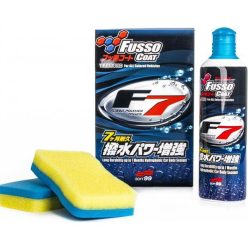
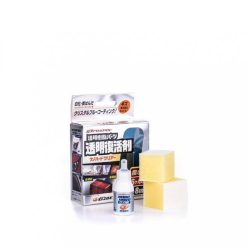
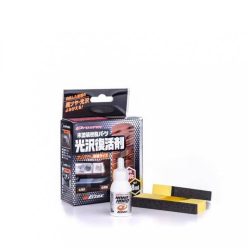
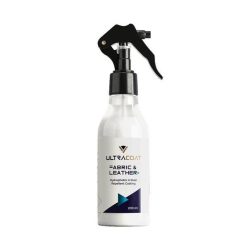
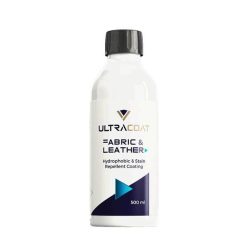


Brief summary + key benefits
Coatings add a thin, durable protective layer that resists chemicals and makes routine washing faster. On paint they enhance gloss and water behaviour; glass repellents improve wet-weather visibility; fabric and leather treatments reduce absorption and dye transfer. Choosing the right chemistry for each surface streamlines everyday maintenance.
Technical Basics
Ceramic coatings use SiO₂/SiC-based precursors that crosslink into a hard, chemically-bonded film. Synthetic sealant-style coatings rely on polymers; they’re easier to apply yet still provide notable hydrophobics and UV protection. Fabric protectors anchor fluorine-free polymers to fibres; leather coatings leave a matte, non-slip feel and help prevent dye transfer.
Durability depends on the substrate, film thickness and maintenance. Ceramics tolerate a wider pH range but demand proper preparation and cure time. Best practice is thorough decon (iron/tar removal, clay) followed by a light finishing polish and an IPA panel-wipe before application.
Selection Criteria
Use case: paint → ceramic or polymer coating; glass → dedicated rain repellent; trims → plastic/trim coating; fabric/leather → impregnators. Longevity: months for polymers, up to years for ceramics. Look: for a deep wet look, finish polish then ceramic; for OEM-matte leather, choose a matte protectant. Time & environment: ceramics often need 12–24 h of dry, dust-free curing.
Installation & Maintenance
Prep: wash thoroughly, remove iron/tar, clay if needed, then finish-polish. Panel wipe: IPA-based degreaser. Application: apply in small sections with an applicator, cross-hatch, wait for the flash, then level with microfibres. Layer according to the manufacturer. Cure: keep dry for 12–24 h; full hardness develops over several days. Care: pH-neutral shampoos and compatible boosters; avoid frequent strong alkali/acids.
FAQ
Ceramic vs wax? Ceramics form a chemically bonded, harder, longer-lasting film; wax is quicker to apply but shorter lived.
Do I need to polish first? Not mandatory, but coatings lock in the current finish—refining defects first gives a better result.
Can I layer coatings? Many systems allow it; a second coat after the specified cure can improve beading and longevity.
Minimum upkeep? Gentle washes, periodic topper, and prompt removal of bugs/tar.
Is APC safe on coated paint? Mild dilutions are fine; frequent strong alkaline contact may shorten life.
