
A clutch pressure plate (clutch cover) is the part of the clutch assembly that applies clamp load to the clutch disc, directly influencing release feel, pedal character and how the drivetrain takes up load. This category includes road and higher-load options for different vehicle applications.
To choose the right one, check the part code, diameter, clutch disc size, release system and flywheel compatibility together, because the same engine family can use more than one clutch assembly. Verify exact dimensions and specifications on the product card; in-stock items dispatch fast within the EU.
For accurate release and stable clamp control, always confirm the listed application and the matching clutch components before installation.
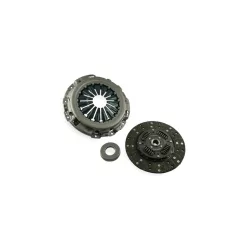

Net price: 1 263 €

Net price: 1 263 €
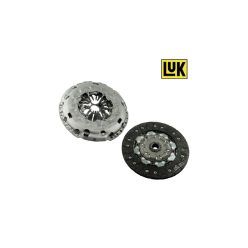

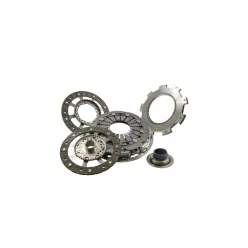
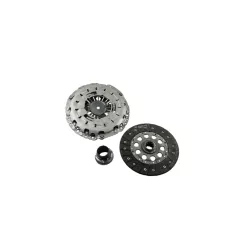
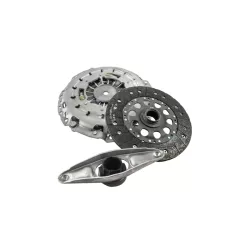
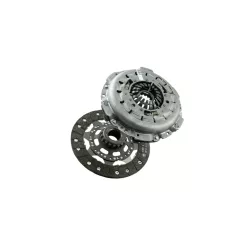
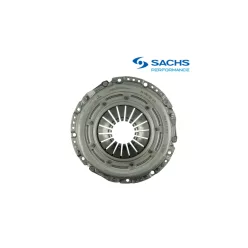
Net price: 582 €
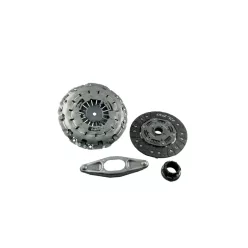
Clutch Pressure Plates – Accurate Release and Application-Correct Fitment
The clutch assembly’s pressure-plate section, or clutch cover unit, works together with the clutch disc, release bearing and flywheel, so the right specification affects not only torque transfer but also shift quality, pedal feel and behaviour under load.
Technical background and system integration
Clamp role: the pressure plate must hold the clutch disc against the flywheel while still releasing in a controlled way through the release system. That relationship influences pedal effort, take-up character and how smoothly the drivetrain reconnects after a shift.
Release geometry: diaphragm spring design, installed height and release travel all shape how the assembly behaves. That is why matching the diameter alone is not enough when you want reliable fitment.
System view: when choosing a clutch pressure plate, think in terms of the full clutch system, because the flywheel, clutch disc, release bearing, fork and hydraulic or mechanical release layout all affect the final result in the car.
- Diameter: confirm that the pressure plate and clutch disc sizes actually match, because a size difference can stop the assembly from working correctly.
- Part code: the vehicle model matters, but the clutch or manufacturer code is often what separates similar-looking applications.
- Flywheel: single-mass and dual-mass setups are not always interchangeable with the same cover design.
- Release setup: mechanical and hydraulic systems need the correct installed height and release character to work properly.
How to choose the right one
Quick selection guide: use the filters by price and brand, then open the product card and confirm the part code, diameter, whether the listing is for a cover or a kit, and what application the pressure plate is intended for. In this category, model name alone is rarely enough.
Fitment logic: if you are replacing a road-car unit, a closer-to-OE operating character is often the safer direction; if the project has higher load or more performance focus, assess the pressure plate together with the clutch disc and flywheel rather than as a standalone item. Final choice should always follow the product-card compatibility notes.
In this category, the safest decision point is the detailed compatibility and part-code data shown on the product card.
Installation and failure-prevention tips
Clean assembly: before fitting, inspect the flywheel condition, friction surfaces, mounting points and wear in the release mechanism. Threads, seating faces and guided parts should be clean, and tightening should follow the manufacturer sequence for the exact assembly.
Typical issue: if you get shudder on take-off, poor gear engagement or uncertain release after installation, the cause is often not the pressure plate itself but disc centring, flywheel surface condition, release-bearing health or a mismatch in installed height; careful preparation, inspection of related parts and application-correct assembly are the best prevention steps.
First check: after initial use, watch the pedal travel, bite point, unusual noises and whether the clutch still releases cleanly under load. If the behaviour is off, inspect the full release chain rather than focusing on the pressure plate only.
PRO TIP: with clutch pressure plates, lock in flywheel and clutch-disc compatibility before comparing price or brand, because a correctly matched assembly matters more than a similar product name.
FAQ
What is the most common installation mistake with a clutch pressure plate?
Start by confirming part code and diameter, then check disc orientation and centring. After that, inspect the release bearing, fork or hydraulic release components, followed by the flywheel surface and the tightening sequence. If several points look uncertain, review the whole clutch system together.
What is the difference between a clutch pressure plate and a complete clutch kit?
A pressure plate is one major part of the clutch assembly, while a complete kit usually includes the disc, pressure plate and often related release hardware. If wear exists across several components, a full kit can give a cleaner overall result.
Is replacing only the pressure plate enough?
That depends on the condition of the clutch disc, flywheel and release system. If the related parts are worn or inconsistent, a fresh pressure plate on its own may not deliver balanced operation.
Can a stronger pressure plate make sense for harder use?
Yes, but only when the clutch disc, flywheel and release system are matched to it. The goal is not just more clamp load, but a system that remains usable and properly coordinated.
How can I tell that the selected product is probably not the right fit?
Warning signs include a different diameter, a mismatched part-code family, an application list that does not align with your car, or a product card that refers to a complete kit rather than a standalone cover. In those cases, let the detailed compatibility data decide.
