
Clutch parts - miscellaneous covers smaller clutch-side components used when you do not need a full clutch kit but a specific service or rebuild item instead. This page is mainly for small hardware items and specialised details that matter during careful clutch-side assembly.
The right choice depends on the part number, bolt pattern, item count and the exact clutch or basket layout rather than on brand name alone. Verify exact dimensions and specifications on the product card; in-stock items dispatch fast within the EU.
Use the filters and open the product card, because on a clutch basket hardware item the correct match and clean seating surfaces matter far more than a part merely looking similar at first glance.
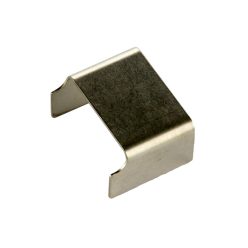


Clutch Parts - Miscellaneous for small but critical clutch-side details
This group covers smaller clutch-side items and add-on pieces, in other words the miscellaneous clutch parts that usually become important when you are repairing, refreshing or finishing a partial clutch assembly rather than replacing the whole system. In this part of the build, exact identification matters more than a part looking roughly similar by eye.
Technical background and system integration
Miscellaneous clutch parts often include items such as clutch basket hardware kits, individual fasteners, washers, retaining pieces or other small assembly components. Their job is usually not to change performance on their own, but to support stable assembly, repeatable service work and a tidy clutch-side interface.
- Interface: always confirm which clutch basket, cover or related clutch-side part the item is intended to work with.
- Bolt pattern: hole count, spacing and mounting-point layout can differ even between parts that appear very close in size.
- Kit content: check whether the package includes the full fastening set or only a partial replacement group.
- Mating faces: thread condition and the quality of the contact surfaces influence how evenly the assembly can be drawn together.
These small items matter because clutch-side load does not travel only through the major components. The basket, cover, mounting points and hardware form one load path, and the neatness of that path can affect noise, vibration and future serviceability.
How to choose the right one
Quick selection guide: first decide whether you need a complete clutch component or specifically a smaller hardware or service kit. As this is a product-list page, the safest route is to use the product card to confirm the part number, the compatibility note and the exact clutch-side application before ordering.
- Part number: if a manufacturer or supplier code is available, treat it as the main identifier.
- Application: confirm whether the item is intended for a clutch basket, cover or another related clutch-side assembly.
- Kit logic: check whether you are buying a full hardware kit or only a limited replacement set.
- Product card: the notes, naming and product image together are more reliable than the category name alone.
If only a single hardware item appears on this page, make the decision from the exact clutch-side fitment, the part number and the notes on the product card rather than from the category title.
Installation and failure-prevention tips
Preparation: before assembly, inspect thread condition, cleanliness of the seating faces, possible stretch in old fasteners and whether every piece in the kit can be clearly identified. For a mechanical category like this, clean threads, the correct tightening sequence and the maker’s guidance are more useful than any generic torque value.
Most common issue: problems usually start when a similar-looking but incorrect screw or washer is used, or when the mating face is not fully clean during assembly. That can lead to uneven seating, a later tendency to loosen or unusual marks during the next teardown, and the best prevention is careful kit identification plus a tidy, methodical build process.
Where the product card gives only limited detail, it is worth comparing the new item directly with the removed original part, especially if your decision depends on hole spacing or fastener-head layout.
PRO TIP: take a photo before disassembly, because fastener order and washer position can matter just as much as the new hardware itself when you rebuild the clutch-side assembly.
FAQ
What is the most common failure or installation mistake?
Start by checking that the part number on the product card really matches the item you removed from the vehicle or engine. Then compare hole count, fastener lengths, washer positions and thread condition before completing final assembly.
How is a clutch basket hardware kit different from a general fastener set?
A dedicated kit is put together for a specific clutch-side task, so the quantity, layout and fitment logic are usually more targeted. A general fastener set may look similar, but it does not necessarily follow the same mounting pattern or assembly order.
Is size enough, or is the part number more important?
Size alone is rarely enough because several near-identical versions can exist. The safer basis is the manufacturer part number, the compatibility note and a direct comparison with the original part together.
What should I inspect before fitting?
Check the threads, seating faces, completeness of the kit and any existing wear or damage on the related components. It also helps to photograph the removed parts in order so reassembly stays calm, clean and easier to verify.
When is the category page enough, and when do I need the product card?
The category page helps you understand what type of miscellaneous clutch item is available. The final decision should always come from the individual product card, because that is where the exact naming, part number and the most relevant notes are shown.
