
A clutch disc is the friction plate in the clutch assembly, and this category includes both single-disc options and compact disc pack solutions that influence torque transfer and engagement feel. The current range covers 184 mm / 7.25", 228 mm and 240 mm sizes, with BMW, Nissan, Subaru and VAG applications.
Choose by diameter, spline size, tooth count and by whether the part matches your pressure plate and gearbox input shaft, rather than by appearance alone. Verify exact dimensions and specifications on the product card; in-stock items dispatch fast within the EU.
To avoid fitment issues, confirm the spline, the diameter and the clutch family first, then check the listed engine or gearbox applications on the product card.
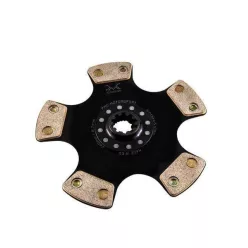
Net price: 164 €
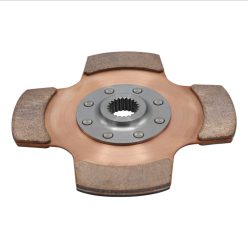
Net price: 172 €
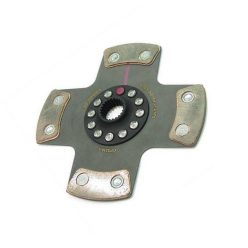
Net price: 292 €
![Clutch Disc Pack Tilton 64185-8-VV-10 BMW M50 M52 M54 23x29-10N [184mm / 7.25"]](https://www.llracing.eu/img/30353/PMC-64185-8-VV-10/248x248,r/PMC-64185-8-VV-10.webp?time=1772756660 "Clutch Disc Pack Tilton 64185-8-VV-10 BMW M50 M52 M54 23x29-10N [184mm / 7.25\"]")
Net price: 593 €
![Clutch Disc Pack Tilton 64185-8-VV-52 7.25" BMW M57 S54 M60 M62 S62 28x35-10N [184mm / 7.25"]](https://www.llracing.eu/img/30353/PMC-64185-8-VV-52/248x248,r/PMC-64185-8-VV-52.webp?time=1772756660 "Clutch Disc Pack Tilton 64185-8-VV-52 7.25\" BMW M57 S54 M60 M62 S62 28x35-10N [184mm / 7.25\"]")
Net price: 549 €
![Clutch Disc Pack Tilton 64185-8-VV-55 BMW M57N M57N2 N57 N54 B57 B58 32,5x35-26N [184mm / 7.25"]](https://www.llracing.eu/img/30353/PMC-64185-8-VV-55/248x248,r/PMC-64185-8-VV-55.webp?time=1772756659 "Clutch Disc Pack Tilton 64185-8-VV-55 BMW M57N M57N2 N57 N54 B57 B58 32,5x35-26N [184mm / 7.25\"]")
Net price: 546 €
![Clutch Disc Pack Tilton 64185-8-VV-57 Nissan 350Z 370Z [184mm / 7.25"]](https://www.llracing.eu/img/30353/PMC-64185-8-VV-57/248x248,r/PMC-64185-8-VV-57.webp?time=1747124290 "Clutch Disc Pack Tilton 64185-8-VV-57 Nissan 350Z 370Z [184mm / 7.25\"]")
Net price: 549 €
![Clutch Disc Pack Tilton Engineering 64185-2-ABA-10 BMW M50 M52 M54 23x29-10N [184mm / 7.25"]](https://www.llracing.eu/img/30353/PMC-64185-2-ABA-10/248x248,r/PMC-64185-2-ABA-10.webp?time=1747125048 "Clutch Disc Pack Tilton Engineering 64185-2-ABA-10 BMW M50 M52 M54 23x29-10N [184mm / 7.25\"]")
Net price: 723 €
![Clutch Disc Pack Tilton Engineering 64185-2-ABA-57 Nissan 350Z 370Z [184mm / 7.25"]](https://www.llracing.eu/img/30353/PMC-64185-2-ABA-57/248x248,r/PMC-64185-2-ABA-57.webp?time=1747125051 "Clutch Disc Pack Tilton Engineering 64185-2-ABA-57 Nissan 350Z 370Z [184mm / 7.25\"]")
Net price: 747 €
![Clutch Disc Pack Tilton Engineering 64185-4-VTV-52 BMW M57 S54 M60 M62 S62 28x35-10N [184mm / 7.25"]](https://www.llracing.eu/img/30353/PMC-64185-4-VTV-52/248x248,r/PMC-64185-4-VTV-52.webp?time=1748647183 "Clutch Disc Pack Tilton Engineering 64185-4-VTV-52 BMW M57 S54 M60 M62 S62 28x35-10N [184mm / 7.25\"]")
Clutch Disc Pack Tilton Engineering 64185-4-VTV-52 BMW M57 S54 M60 M62 S62 28x35-10N [184mm / 7.25"]
Net price: 858 €
![Clutch Disc Pack Tilton Engineering 64185-4-VTV-55 BMW M57N M57N2 N57 N54 B57 B58 32,5x35-26N [184mm / 7.25"]](https://www.llracing.eu/img/30353/PMC-64185-4-VTV-55/248x248,r/PMC-64185-4-VTV-55.webp?time=1747125050 "Clutch Disc Pack Tilton Engineering 64185-4-VTV-55 BMW M57N M57N2 N57 N54 B57 B58 32,5x35-26N [184mm / 7.25\"]")
Net price: 823 €
![Clutch disc SACHS 1864 098 132 BMW M50 M52 M54 23x29-10N [240mm 9.25"]](https://www.llracing.eu/img/30353/PMC-3189/248x248,r/PMC-3189.webp?time=1747125047 "Clutch disc SACHS 1864 098 132 BMW M50 M52 M54 23x29-10N [240mm 9.25\"]")
Net price: 160 €
Clutch Discs for Accurate Fitment and Stable Engagement
Category focus: this range covers clutch friction discs and compact disc packs, meaning the parts that directly influence torque transfer, release behaviour and shift feel. The current assortment includes 184 mm / 7.25", 228 mm / 8.98" and 240 mm / 9.25-9.45" sizes, with spline patterns such as 23x29-10N, 28x35-10N, 32.5x35-26N, 23x25-24N and 21.8x24.2-23N across BMW, Nissan, Subaru and VAG applications.
Technical background and system integration
Key interface: a clutch disc works between the flywheel and the pressure plate, so the outer diameter is only one part of the picture. Spline size, tooth count, hub design, disc construction and full clutch-family compatibility all matter when you want consistent engagement and release.
- Diameter: the category currently mixes 184 mm motorsport disc packs with 228 mm and 240 mm single-disc options.
- Spline pattern: BMW listings include 23x29-10N, 28x35-10N and 32.5x35-26N options, Nissan uses 23x25-24N, while one VAG entry is listed with 21.8x24.2-23N.
- Friction type: the current range includes sintered and cerametallic-style motorsport solutions as well as Sachs part-numbered discs.
- Use case: compact 7.25" packs are typically associated with motorsport-style assemblies, while 228/240 mm discs often suit street-performance, swap or conversion projects.
System thinking: the right disc is never an isolated choice; it must match the flywheel, pressure plate, gearbox input shaft and release hardware as one working assembly. That is why the correct option can differ even within the same engine family.
How to choose the right one
Quick selection guide: because this is a product-list page, start with vehicle platform and brand, then confirm disc diameter, spline size, tooth count and whether the listing is a single disc or a disc pack. On BMW builds in particular, check whether the part belongs to M50/M52/M54, M57 or N54/B58-related setups before deciding.
In this category, the product card data on spline, diameter and application is more reliable for selection than the photo alone.
- BMW: confirm whether you need 23x29-10N, 28x35-10N or 32.5x35-26N, and make sure the gearbox family matches.
- Nissan: for 350Z and 370Z items, the listed range shows 23x25-24N spline with 240 mm sizing, but the full clutch pairing still needs to be checked.
- VAG/Subaru: OE references and product-card application notes are especially useful here because similar diameters can still hide a different hub or pressure-plate match.
Installation and failure-prevention tips
Before assembly: make sure the disc slides correctly on the gearbox input shaft, the friction surfaces are clean and dry, the fastening threads are in good condition and the pressure plate and flywheel belong to the same system. A trial build with an alignment tool helps prevent rework before final tightening.
Common failure point: the most frequent problem is not the disc itself but the wrong spline, wrong diameter or a disc being paired with a different pressure-plate family. When that happens, the gearbox may not seat fully, the clutch may not release cleanly, and you can get chatter or unwanted noise on take-up; prevent it by verifying disc size, hub format and full clutch-system compatibility before final assembly.
- Trial fit: before fitting the gearbox, check that the disc is not installed the wrong way round and that the hub does not interfere with neighbouring parts during release.
- Recheck: after the first use, monitor engagement point, vibration, unusual noise and whether gear selection stays consistent when cold and warm.
PRO TIP: if you are deciding between a 7.25" motorsport disc pack and a 228/240 mm single-disc layout, identify the flywheel and pressure-plate family first and choose the disc second.
FAQ
Which specification matters most when choosing a clutch disc?
Diameter, spline size and tooth count usually form the starting point. Those always need to be checked together with the pressure plate and gearbox input shaft rather than as separate numbers.
What is the most common failure or installation mistake?
Check the sequence in this order: disc diameter, spline size, tooth count, pressure-plate family, flywheel layout, then gearbox type. If any of those details is only assumed, verify it against both the product card and the removed parts before final assembly.
What is the difference between a 184 mm / 7.25" disc pack and a 240 mm single-disc setup?
A 7.25" arrangement usually belongs to a compact motorsport-style clutch family and therefore connects to different hardware. A 240 mm single-disc setup often suits street-performance or swap-oriented builds, but the full assembly still decides the real fitment.
What should I check if the gearbox is hard to shift or the clutch does not release cleanly after assembly?
Start with disc orientation, spline fit and whether the disc was meant for that exact pressure plate. Then inspect release travel and centring, because even a small mismatch can alter disengagement behaviour.
Can I replace only the disc, or should I treat it as a full clutch-system decision?
That depends on the condition and compatibility of the existing hardware. If the flywheel, pressure plate and release side are known to be correct, disc-only replacement may be reasonable, but mixing different clutch families should always be checked carefully first.
