
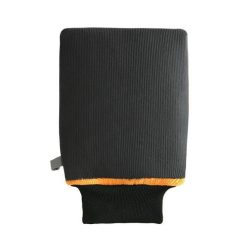
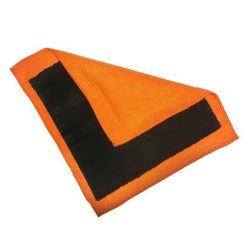
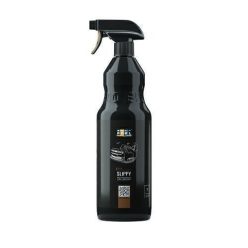
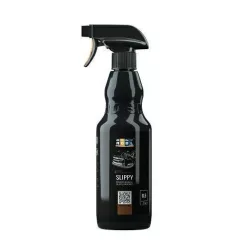
The Clay Pads & Accessories range covers safe decontamination: clay pads/mitts, clay sponges, towels and dedicated lubricants. With proper lubrication, bonded contaminants like industrial fallout, sap and overspray are removed quickly, leaving a smooth, polish-ready surface.

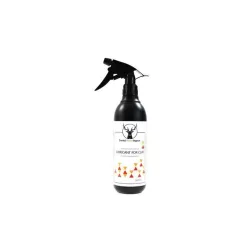
Net price: 11 €
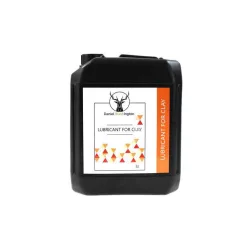
Net price: 27 €


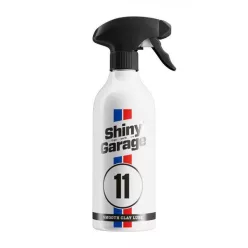

Brief summary + key benefits
Clay Pads & Accessories remove bonded contaminants that ordinary washing leaves behind. Clay pads/mitts and sponges cover large panels quickly and evenly, while a classic clay bar gives precise control on badges, edges and tight areas. The payoff is a glass-smooth surface, better, richer gloss and far stronger adhesion for subsequent polishing and protection.
Technical Basics
Modern media use a rubberised/polymer clay coating carried on foam or microfibre backings. With generous lubricant, the coating shears contaminants (sap, overspray, ferrous fallout) and releases them into the film so they can be wiped away. Pads/mitts offer consistent pressure and coverage; bars shine for spot work. Quality clay lubes maximise slip, minimise marring and wipe away cleanly to leave a residue-free panel.
Compatibility: safe on most paints with neutral lube and light pressure. On fresh ceramic coatings or very soft clears, stick to fine-grade media and a feather touch. Avoid claying matt wraps/PPF unless the film maker allows it—use chemical decon (iron/tar removers) and rinse thoroughly instead.
Selection Criteria
Contaminant type: heavy industrial fallout → pre-treat with iron remover, then a clay pad/mitt for panels; sap & overspray dots → a clay bar gives better control. Grade: fine / medium / aggressive—finer is safer but slower. Time & area: pads speed up SUVs and large panels; bars excel on badges and edges. Economy: pads/sponges are washable and reusable; bars must be discarded when contaminated.
Installation & Maintenance
Prep: pre-wash/foam, then a pH-neutral contact wash. Chemically remove iron and tar first so the clay has less to grab. Lubrication: mist both the panel and media with a dedicated clay lube. Technique: short, straight passes until the paint feels smooth; add lube if you feel drag. Wipe residue after each section with a clean microfibre towel.
Aftercare: refine lightly if needed, then apply durable protection (spray sealant/wax/ceramic). Tool care: rinse pads/sponges in lukewarm water; knead bars frequently to expose a clean face and discard immediately if dropped—embedded grit will scratch.
FAQ
How often should I clay? Only when needed—typically every 6–12 months or before polishing/coating, since clay is a decon step.
Is shampoo water OK as lube? In a pinch it can work, but a true clay lubricant offers superior slip and safety.
Pad or bar first? Use a clay pad/mitt for speed on large panels; a clay bar for stubborn dots and tight areas.
Will clay mar the paint? Fine grades with high lubrication leave minimal marring; a quick finishing polish restores perfect clarity.
Can I clay a coated car? Yes—choose a fine grade and plenty of lube; avoid aggressive media on fresh ceramic coatings.
