
The Citroën – MTS Technik lowering springs category covers dedicated kits for Citroën AX, Berlingo, C1, C2, C3 and many other models. These lowering spring kits typically offer 30–40 mm of drop, reducing body roll and sharpening handling while giving a clearly sportier stance. MTS Technik springs are tuned for everyday road use, so city driving and longer journeys remain practical when paired with healthy dampers.


Net price: 103 €

Net price: 142 €

Net price: 142 €
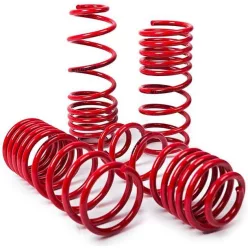
Net price: 148 €
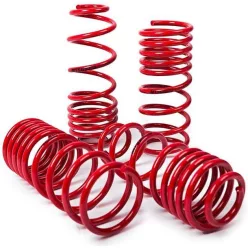
Net price: 132 €
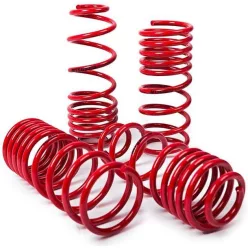
Net price: 132 €
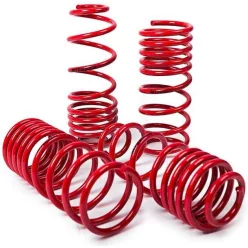
Net price: 145 €
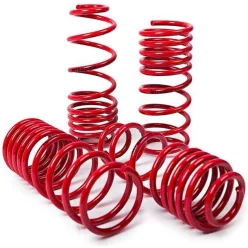
Net price: 145 €
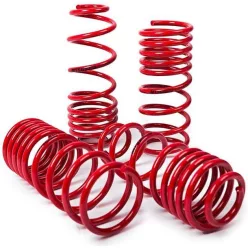
Net price: 145 €
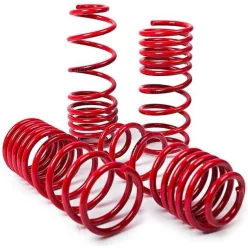
Net price: 145 €
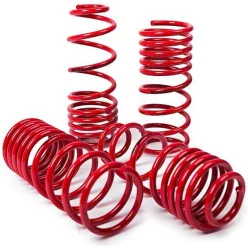
Net price: 135 €
Benefits and use cases of Citroën lowering springs
The Citroën – MTS Technik lowering springs are designed to make lightweight, agile Citroën models feel more precise and controlled. On cars like the AX, C1, C2 or C3, the stock suspension is often comfort-biased and can allow noticeable body roll at higher speeds or with heavy loads. Lowering the centre of gravity helps the car stay flatter in corners, improves stability in lane changes and gives more confidence during emergency manoeuvres. Because the kits are tuned for road use, everyday comfort remains acceptable, especially when combined with good-condition shock absorbers.
Technical Basics
MTS Technik lowering spring kits are manufactured from high-strength spring steel with durable corrosion protection, an important feature for cars frequently used in wet, salty conditions. Each application is specific to the model: a light Citroën AX or C1 requires different rates from a family Berlingo. Typical drops around 30–40 mm are moderate compared with stock but make a clear difference in how the body moves over bumps and through corners. A key warning is that lowering changes the suspension geometry, so correct alignment is essential to maintain predictable handling and even tyre wear.
Selection Criteria
To choose the right Citroën lowering spring kit, identify the exact model (AX, Berlingo, C1, C2, C3 etc.), year, engine and body style. The manufacturer’s stated drop values – for example 30/30 mm, 35/35 mm or 40/- mm – indicate how much lower the front and rear sit compared with stock. For typical daily driving, a 30–35 mm drop usually offers the best compromise between stance, control and ground clearance on speed bumps. If you run larger wheels and wider tyres, it becomes even more important to match wheel size, offset and tyre profile to the chosen drop to avoid rubbing on the arches.
Installation & Maintenance
Professional installation of lowering springs is strongly recommended, using proper spring compressors and following Citroën-specific procedures. After fitting the springs, a precise wheel alignment is required, particularly on the front axle, to avoid pulling, instability and increased tyre wear. Regular checks of the spring coating, bump stops, top mounts and dampers are advisable, as the firmer setup places more stress on these components. An important warning is that any unusual noises, knocking or vague steering after lowering should be investigated before the car is driven fast or heavily loaded.
FAQ
How much should I lower a Citroën C1 or C2?
A drop of around 30–35 mm is usually ideal for small Citroën models used mainly on public roads. It provides a noticeable visual change and better stability without making the car too low for speed bumps or steep ramps. Larger drops should be reserved for users who understand the compromises in comfort and ground clearance.
Can I keep my original Citroën shock absorbers?
For moderate 30–35 mm drops, good-condition OE dampers generally work well with MTS Technik springs. If the car has high mileage or you plan a 40 mm drop, upgrading to sport dampers is a wise choice to maintain control and avoid bottoming out. Old or weak shocks will show their limitations quickly once the suspension is stiffened.
How does comfort change on a Citroën Berlingo after lowering?
Lowering springs make the Berlingo feel firmer, so potholes and rough surfaces are more noticeable than with soft stock springs. On the other hand, body movements become better controlled and the van leans less in corners, which can increase driver confidence at higher speeds. If you often drive with heavy loads, choosing a moderate drop is recommended.
Will lowering affect tyre life on my Citroën?
Lowering can increase tyre wear if the alignment is not corrected afterwards, especially through excess negative camber or incorrect toe. With properly set geometry and regular checks, tyre life can remain close to standard. Any signs of inner-edge wear or wandering on the motorway should be taken as a cue to recheck alignment.
Do I need to register the lowering with authorities?
Regulations differ between countries, so you should always check the local legal requirements and inspection rules. In many cases, using springs with TÜV or ECE approval and carrying the documents in the car is helpful. For clarity, consult an inspection station or tuning workshop familiar with modified Citroëns.
