
A cat-back exhaust system is the exhaust section after the catalytic converter, bringing pipe routing, sound character and rear exit layout together for a specific vehicle. It is the right choice when pipe diameter, vehicle fitment and the chosen tail-end layout all match the build.
Verify exact dimensions and specifications on the product card; in-stock items dispatch fast within the EU.
Start by checking the vehicle application, then the single or dual outlet layout, followed by pipe size and whether the system uses a fixed or active setup. To reduce later preload and resonance, confirm that hanger points and diffuser clearance also suit the chosen system.

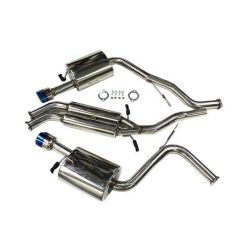
Net price: 508 €
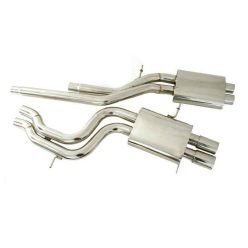
Net price: 366 €
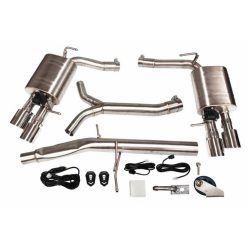
Net price: 1 198 €
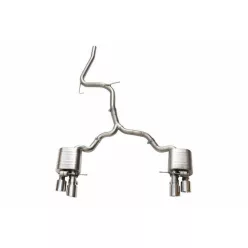
Net price: 1 198 €
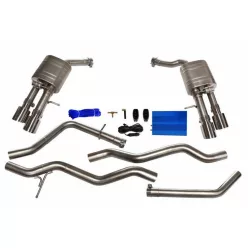
Net price: 1 198 €
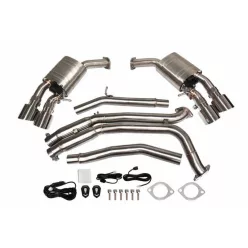
Net price: 1 401 €
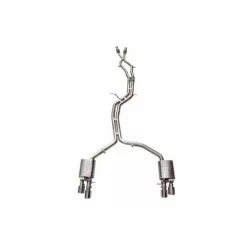
Net price: 1 401 €
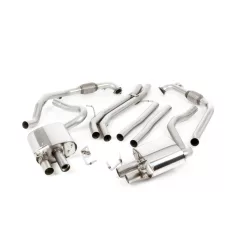
Net price: 2 601 €
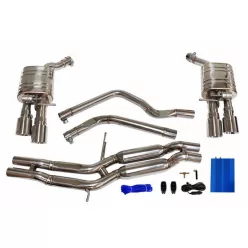
Net price: 1 523 €
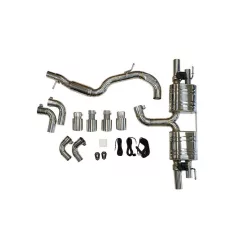
Net price: 1 117 €
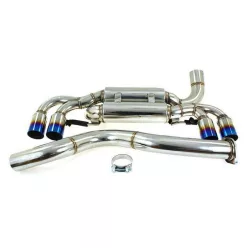
Net price: 508 €
Cat-Back Exhaust Systems – catalyst-back exhaust solutions for road and modified cars
The full rear exhaust section after the catalyst—commonly searched by builders as a cat-back exhaust system—works best when pipe size, silencer layout, rear exit style and the packaging under the car are considered together. This is not only about sound; thermal movement, hanger position and body clearance are part of the final fitment quality as well.
Technical background and system integration
Gas path: a cat-back system takes over after the catalytic converter, so pipe diameter, bend layout and silencer design all shape the overall character of the system. A well-matched setup can help align exhaust tone and flow behaviour with the aim of the build.
Material and layout: this category includes stainless systems with different rear-end finishes, including fixed and active exhaust solutions. Selection works best when you judge the pipe network, rear silencer location and tailpipe position as one package.
- Pipe size: the range here includes 2.25in, 2.5in, 2.75in, 3.0in and in some cases 3.5in options, so always work from the exact product-card dimensions.
- Exit layout: single rear, single side, dual rear and dual centre rear configurations are available, directly affecting bumper and diffuser fitment.
- Tail finish: tip style, edge construction and finishes such as polished or black PVD can influence both appearance and packaging.
How to choose the right one
Quick selection: start with exact vehicle application and model year, then confirm pipe diameter, and only after that choose the rear outlet arrangement. The next step is deciding whether a fixed sound character or an active valved system suits the intended use better.
Filtering: use filters for vehicle brand, pipe diameter, outlet layout, tip size and brand, then open the product card for exact fitment details. In this category, options from Corsa, TurboWorks and Milltek should be judged by the product card rather than the headline name alone.
If the project uses an OEM diffuser, an aftermarket rear insert or separate exhaust tips, make the final decision with those parts in mind rather than choosing only from the main model label.
- Vehicle platform: even within one brand, body code, drivetrain and engine version can change the correct fitment path.
- Active valve: on an active system, check how valve control, wiring and packaging space relate to the car.
- Tip size: 3.5in, 4.0in, 4.5in or 5.0in tips can create very different visual and packaging outcomes.
- Use case: a road car, weekend build or more show-focused project may each point toward a different system character.
Installation and failure-prevention tips
Stress relief: before final tightening, trial-fit the full route from the mid-section to the rear silencers and check that the rubber hangers sit in a natural position. This reduces the chance of side loading being passed into the pipes and rear boxes.
Common issue: when a system is installed twisted or preloaded, later resonance, knocking or tailpipes sitting off-centre in the bumper cut-out may point to trouble; this is usually caused by poor length setting, hangers that are not centred, or a position too close to the diffuser. Prevent it by tightening the joints gradually, checking free movement at each stage, and only centring the rear exit once the full system route is settled.
Re-check: after the first heat cycle, inspect clamp or bolted-joint position, rubber hanger angle and whether the pipework or silencers move too close to heat shields or body panels when hot.
PRO TIP: On a cat-back install, the look of the tailpipes should be the last step; first set the natural line of the centre and rear sections, because that usually gives calmer movement and a more accurate final position.
FAQ
Which specification should I check first?
Start with exact vehicle application, model year and engine-related fitment. After that, confirm pipe diameter and rear outlet layout, because those decide how naturally the system will package under the car.
What is the difference between single and dual outlet systems?
A single system gives a one-sided or single-exit finish, while a dual setup creates a twin-sided or paired rear look. The correct choice depends on bumper cut-out shape, diffuser layout and the rear styling of the vehicle.
What is the most common failure or installation mistake?
With the system cold, check whether the tailpipes sit centrally, whether the rubber hangers are pulling the system sideways, and whether there is enough room around the silencers. Then inspect joint position and repeat the check after a longer heat cycle.
Is an active system better than a fixed one?
An active system can be a strong option when you want more flexibility in how the car sounds in different situations. A fixed system may offer a simpler layout, but the better choice depends on packaging, wiring and the intended use of the car.
How do I know the system is sitting correctly after the first test drive?
Look for centred tailpipes, no new resonance and sensible clearance around the rear boxes. If the system stays aligned when hot and does not shift to one side, the fitment is moving in the right direction.
