
Caps & beanies (motorsport headwear) are streetwear accessories inspired by paddock style: baseball caps, knitted winter hats and, on some models, bucket hats for daily use as well as event weekends. For year-round wear, fit type, fabric and closure style usually matter more than the logo alone.
Check whether you need an adjustable fit, a Flexfit profile or a knitted winter shape; lining, knit density and head shape can all change long-wear comfort. Verify exact dimensions and specifications on the product card; in-stock items dispatch fast within the EU.
For outdoor use, a winter lining or deeper cuff may be the better call, while lighter caps can make more sense in milder weather. Use filters by brand and availability, then open the product card to confirm material details and fit information.
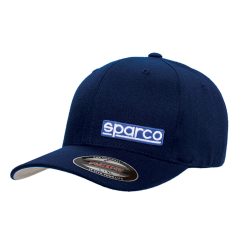
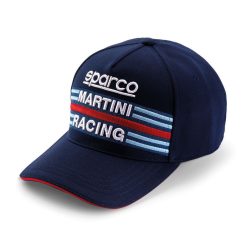
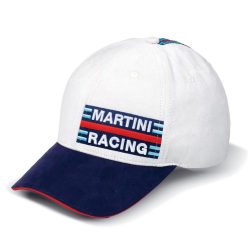
Net price: 37 €
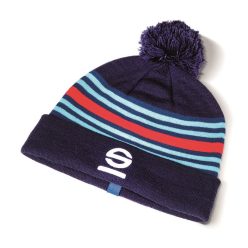
Net price: 18 €
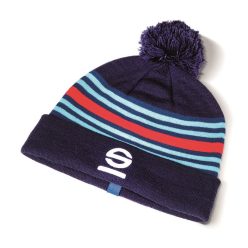
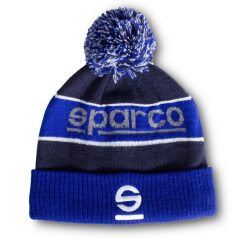
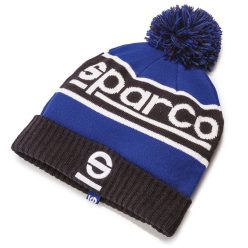
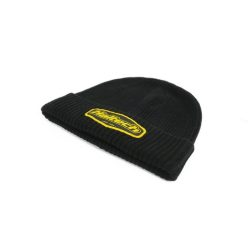

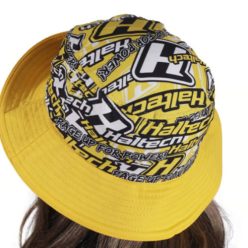
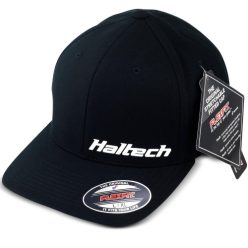
Caps & Beanies for Everyday Wear and Motorsport Style
This category brings together motorsport-inspired headwear: baseball caps, knitted winter beanies and occasional bucket hats suited to event weekends, paddock visits and daily streetwear. These are not safety items; their role is comfort, shade and visual identity, so choosing the right fit and construction matters more than assuming one shape will suit everyone.
Technical background and system integration
The fit and fabric work together to define how a cap feels after several hours of wear. A curved-brim baseball cap shades and sits differently from a soft cuffed beanie, so the right choice starts with where and how you expect to wear it.
The outer material, inner band, lining and seam layout can all affect comfort. In street use this usually shows up as forehead pressure, how well the cap keeps its shape, and whether it still feels right with glasses, a hood or a heavier jacket.
- Baseball cap: brimmed design, often adjustable or size-based, usually easier to wear across milder seasons.
- Flexfit: more closed, structured fit with less adjustment range, so checking head size and crown depth is more important.
- Beanie: knitted or lined construction for cooler conditions, with a different feel when worn under a hood or with bulkier outerwear.
How to choose the right one
Your head shape and wearing habits should be the first filter. If the cap will be on for most of the day, an overly low crown or tight band can become tiring; if it is mainly for occasional use or brand-led styling, visual preference may carry more weight.
Use the product card to confirm fabric composition and construction details: lining and cuff height on winter hats, closure style on baseball caps, and size range on Flexfit models. On youth and adult designs, never rely on the name alone when the exact fit data is available.
Quick comparison: on this page, filters and product cards are the fastest way to compare brand, availability, fit style and the likely feel of each cap before ordering.
Installation and failure-prevention tips
A proper first fit check matters even with apparel accessories: the band should not overload the forehead, the brim should not sit too low in your field of view, and a beanie edge should stay in place rather than rolling back quickly. A short trial wear with glasses or a hood often reveals more than a quick mirror check.
Common mistake: choosing only by logo or nominal size can leave the cap too tight at the temples or too loose in real use; slipping brim position, pressure points or a rising beanie edge are common clues, and they are easier to avoid when you verify fit type, crown depth and material before ordering.
For care and shape retention, treat the maker’s label as the main reference. Gentler cleaning and shape-conscious drying can help the brim, embroidery and inner band remain presentable, while aggressive heat or harsh machine cycles may distort some constructions.
PRO TIP: if you are buying a gift, an adjustable baseball cap is usually the safer route, while fixed-size or thicker winter models benefit from a more careful fit check first.
FAQ
Which style works best for everyday use through most of the year?
In many cases, a baseball cap is the most versatile option because it is easy to wear from spring to autumn and pairs well with casual clothing. For colder weather or outdoor events, a knitted or lined beanie may be more practical.
How should I choose the size?
Start by checking whether the model is adjustable, fixed-size or stretch-fit. Then review the stated size range, crown style and whether the item is intended for youth or adult use.
What is the difference between a baseball cap, a Flexfit cap and a beanie?
A baseball cap usually has a brim and often some adjustment, which makes it broadly usable. A Flexfit cap gives a more closed fit, while a beanie skips the brim and may use softer or thicker knit construction for cooler conditions.
What is the most common failure or installation mistake?
Use a quick checklist: verify fit type, size range, crown depth, lining, target user group and care guidance on the product card. If several of those points do not match your intended use, the cap is more likely to feel wrong after longer wear.
How should I clean a cap without spoiling its shape?
Follow the care label first, because fabric blends and brim construction can vary from one model to another. Gentler cleaning and lower-stress drying are often kinder to shape retention than hot or intensive machine treatment.
Before you order: narrow the list by brand, fit style and availability, then confirm the exact dimensions and material details on the product page.
