
A Bulldog DMI quick change differential is a motorsport driveline unit that lets you plan ratio changes without rebuilding the entire rear assembly each time. That can be especially useful in drift and other high-load rear-wheel-drive builds where track grip and gearing priorities often change.
Choosing the right version depends on the total load on the system: engine torque, tyre grip, vehicle weight, output layout and suspension geometry all matter together. Verify exact dimensions and specifications on the product card; in-stock items dispatch fast within the EU.
To reduce avoidable problems, confirm mounting points, output compatibility and your intended ratio-change strategy before ordering, then build with clean threads and a consistent inspection process.
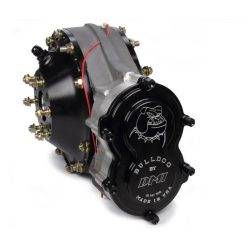
Net price: 7 486 €
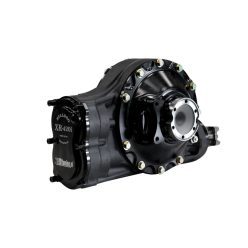
Net price: 8 931 €
Bulldog DMI Quick Change Differentials: ratio planning and system fitment
Within the Bulldog DMI range, these motorsport differentials follow the quick change rear concept for builds where ratio choice, output layout and installation geometry all shape the final result. The system view matters more here than judging the unit by a headline power label alone.
Technical background and system integration
The core benefit of a faster ratio change approach is that you can tune the driveline more closely to track layout, tyre and engine behaviour without treating every change as a full rear-end rebuild. In drift and other high-load RWD applications, that can make setup work more repeatable from event to event.
System integration covers far more than the differential itself. Housing choice, mounting points, output style, driveshaft length, halfshaft travel and suspension movement should be reviewed together, otherwise the package may become noisier, harder to service or less predictable once load is applied.
Sealing discipline and oil control are also part of durability planning. The condition of sealing faces, cover alignment, thread quality and the order of assembly can all influence how consistently the unit behaves through heat cycles and load changes.
- Material logic: in high-load motorsport use, housing and internal material choices can affect weight, stiffness and heat behaviour.
- Thermal movement: cold setup and hot running behaviour should be considered together rather than as separate checks.
- Outputs: output-side compatibility, halfshaft fitment and propshaft connection need to work as one package.
- Service access: the quick change concept is most useful when ratio work and routine inspections remain accessible in your build.
How to choose the right one
Quick selection guide: on this page you can narrow the choice between the 1000HP and 1500HP versions by using filters and product cards. Do not base the decision on engine output alone; include tyre grip, vehicle mass, clutch aggression, track use and the overall driveline shock load in the same assessment.
The full package includes the differential unit, output arrangement, planned gear strategy, halfshaft side and the real installation space available in the car. If the build uses an existing subframe or a known motorsport platform, check mounting dimensions and output compatibility before committing to the unit.
- 1000HP: may suit builds with lower overall system demand, more controlled grip levels and a less aggressive total driveline package.
- 1500HP: points more towards projects where you want extra headroom for higher driveline load, grip and sustained event use.
- Product card: confirm the exact item-level specification, connection logic and any related components needed to complete the installation.
Installation and failure-prevention tips
Clean threads and a disciplined assembly order are the starting point with this type of unit. Check fastener threads, mating faces and cover seating for damage or contamination, then assemble and re-check the package in the order required by the manufacturer documentation.
A common problem is not the differential alone but the fitment chain around it: if the bracket position, output alignment, propshaft angle or halfshaft travel are not reviewed as one system, you may see noise, heat build-up or sealing issues. A dry trial assembly, clearance check and repeat inspection in both unloaded and loaded positions can reduce that risk.
Post-install checks matter after the first serious heat cycle or track session. Inspect the cover area, fasteners, connection points, any oil traces and the driveline sound both under load and on overrun so early warning signs are easier to catch.
PRO TIP: If you are split between two versions, choose from the total driveline load, grip level and future upgrade direction rather than from current engine output alone.
Frequently asked questions
What is the most common failure or installation mistake?
Start by checking mounting points, propshaft and halfshaft alignment, then inspect the cover area and confirm fasteners were tightened evenly. After that, review the system through full suspension travel to make sure nothing binds or contacts under load change.
Should I choose the 1000HP or 1500HP version?
This should not be decided from nominal engine power alone. Grip level, vehicle mass, tyre, clutch behaviour, intended use and the total driveline package together give a more reliable direction.
What should I review before changing ratios?
Think about track layout, tyre choice and the speed range you want from the car. Ratio planning works best when engine behaviour, tyre diameter and actual use all point in the same direction.
Can a quick change differential be used in a road car?
In some projects it may be physically possible, but this is primarily a motorsport-oriented solution. NVH, service demand, installation work and full system compatibility usually make it more relevant for focused builds than for casual road use.
What should I inspect after the first track day?
Check for oil traces, fastener condition, the cover and connection areas, then listen to the driveline under load and on overrun. Any new noise, leak sign or heat-related change is a reason to re-check the surrounding fitment chain before the next event.
