
Our Brushes range covers fine detailing brushes, handle brushes and speciality heads for interiors and exteriors. The right bristle type and stiffness ensure safe cleaning on paint, wheels, grilles and switches. Check chemical resistance, fibre length and handle ergonomics to work faster with less risk of marring.


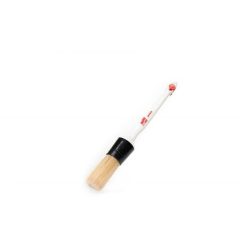
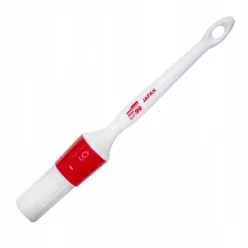
Brief summary & key benefits
Brushes are precision tools for badges, vents, seams and switches. A quality brush spreads cleaner evenly, creates rich foam and works with minimal product. Benefits include better control, reduced marring risk and faster workflows when the bristle and construction match the task. Common pitfalls are excessive stiffness, weak bonding in the ferrule and dry scrubbing.
Technical Basics
Bristle materials: natural (boar/horse) offers gentle touch and strong foaming—ideal for delicate trims. Synthetic (PET, PBT, nylon) provides superior chemical resistance, dries quicker and lasts longer with strong cleaners. Blends combine softness with durability.
Stiffness & geometry: fibre gauge (0.08–0.25 mm), length and bundle density set aggressiveness. Short, thicker fibres add mechanical bite for wheels and rubber; long, fine fibres are safer on paint and screens. Flagged tips soften contact and enlarge effective surface area.
Construction: epoxied ferrules, crimped rings or moulded collars secure the bundle. Coated metal ferrules plus protective collars prevent metal-to-surface contact. Handles in rubberised plastic or varnished wood with textured grips improve control. Typical handle length is 160–230 mm with heads ∅10–24 mm.
Chemical compatibility: for alkaline/acid wheel cleaners choose synthetics and solvent-resistant bonding. For leather and piano-black plastics, pick ultra-soft natural or fine synthetic fibres. After tar removers or solvents, rinse thoroughly to protect adhesives.
Hygiene: capillary action traps residues; thorough rinsing, periodic neutral detergent soaks and bristles-down drying keep brushes fresh. Colour-coding separates interior and exterior kits and prevents cross-contamination.
Selection Criteria
Task: switches and vents—soft detailing brush; grilles and badges—medium synthetics; wheels and tyres—short, stiffer synthetics with chemical-proof collars. On delicate gloss plastics always choose the gentlest fibres.
Size: small heads (∅10–14 mm) for tight crevices; medium (∅16–20 mm) for general use; large (∅22–24 mm) for quick exterior cleaning. Oversized heads tend to push product into gaps and slow down wipe-down.
Ergonomics: textured, grippy handles work best in wet conditions. Longer handles reach deep wheel barrels, shorter handles give better precision on paintwork.
Durability: look for dense bundles, deep set depth and well-sealed ferrules to minimise shedding. Stainless fasteners and coated ferrules extend service life.
Kit strategy: build a small set (soft/medium/stiff; small/medium/large) and keep separate interior/exterior brushes for the right job every time.
Installation & Maintenance
Use: pre-wet surfaces, load the brush with foaming shampoo or APC, then work in circular or piano strokes. Use minimal pressure on paint and moderate pressure on wheels. Avoid dry rubbing which can haze clear coats.
Cleaning: rinse with warm water after each session; use a neutral detergent if needed. After solvent exposure, wash with mild APC and rinse well. Shake out water, reshape and air-dry bristles downward.
Storage: segregate interior and wheel brushes. Use sleeves or hangers; do not compress bristles to avoid permanent deformation. Keep away from hot panels to protect adhesives.
Replacement: when fibres are split, shedding or the ferrule loosens, replace the brush. Glazed, hardened fibres reduce cleaning power and increase marring risk.
FAQ
Q: Can I use one brush for both interior and wheels?
A: No—abrasive brake dust from wheels can scratch interiors. Keep colour-coded, dedicated sets.
Q: Which bristles are safe on paint?
A: Natural or ultra-soft synthetic fibres with longer length, always with lubrication.
Q: How should I wash brushes?
A: With a neutral detergent, rinse well and dry bristles down. Avoid fabric softeners.
Q: How long do quality brushes last?
A: Months to years with proper rinsing and storage—lifespan depends on chemicals used and applied pressure.
Q: Why is my brush fraying quickly?
A: Likely due to harsh chemicals, excessive force or weak bonding. Switch to a compatible, higher-quality brush.
