
Our Bristle Brushes include fine detailing brushes and handle brushes for interior and exterior work. The right bristle type (natural/blend/synthetic) and stiffness determine safety on paint, wheels, grilles and switches. Check chemical resistance, fibre length and ferrule/handle materials to minimise marring and premature fraying during repeated use.


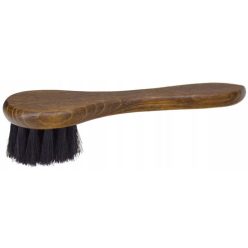
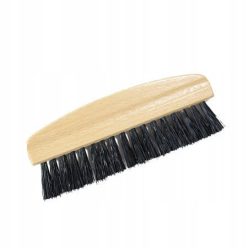
Brief summary & key benefits
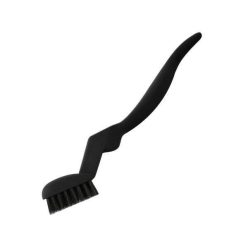
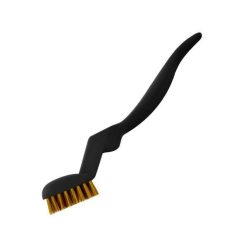
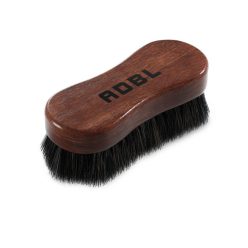
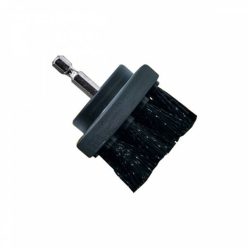
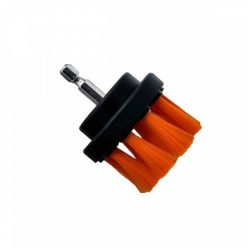
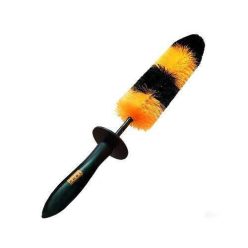
Bristle Brushes are precision tools for badges, vents, seams and buttons. They offer accurate control, rich lather and effective agitation with minimal product. Proper bristle density, secure bonding and a grippy handle reduce shedding and hand fatigue. Pitfalls include using a brush that is too stiff or chemically incompatible, which may cause marring or premature fraying.
Technical Basics
Bristle types: natural (boar/horse) holds water well and creates excellent foaming, ideal for delicate interiors. Synthetic (PET, PBT) has superior chemical resistance for stronger cleaners and dries faster with less absorption. Blends combine feel and durability.
Stiffness & gauge: fibre diameter (e.g., 0.08–0.25 mm) and length set the behaviour. Short, thicker fibres deliver more mechanical bite for wheels and rubber; long, fine fibres are gentler for paintwork and screens. Flagged tips increase surface area and soften contact.
Construction: bristles are secured by epoxied ferrules, crimped rings or moulded collars. Metal ferrules look premium but need coating to avoid corrosion; protective collars stop metal-to-surface contact. Handles come in plastic, rubber or varnished wood; textured grips prevent slipping. Typical overall length is 160–230 mm with head diameters ∅ 10–24 mm.
Chemical compatibility: for alkaline/acid wheel cleaners use synthetic fibres; for leather, piano-black plastics and screen surrounds choose natural or ultra-soft synthetics. Solvent products may attack adhesives—choose solvent-resistant collars when required.
Hygiene: because of capillary action between fibres, thorough rinsing and drying matter. Open bundles dry faster; hanging loops help. Colour-coding reduces cross-contamination between interior and exterior tasks.
Selection Criteria
Task: dusting switches and vents—soft natural; emblems, grilles and fuel caps—medium synthetic; wheels and tyres—short, stiffer synthetics with chemical-proof collars. Avoid hard bristles on delicate gloss plastics.
Size: small heads (∅ 10–14 mm) for tight crevices; medium (∅ 16–20 mm) for general work; large (∅ 22–24 mm) for rapid exterior cleaning. Oversized heads may push product into gaps and extend wipe-down time.
Ergonomics: choose textured grips for wet work. Longer handles reach deep wheel barrels; shorter handles provide better control on paint.
Durability: look for strong epoxy bonds, dense bundles and well-sealed ferrules. Deeper set depth reduces shedding over time.
Kit building: keep a 3–5 piece set (soft/medium/stiff; small/medium/large) so you always have the right tool for the job.
Installation & Maintenance
Use: pre-wet the area, load the brush with foaming shampoo or APC, then work with circular or piano-stroke motions. Apply minimal pressure on paint; moderate pressure on wheels. Avoid dry scrubbing which can haze surfaces.
Cleaning: rinse with warm water after each session; use a neutral detergent if residues remain. After solvent exposure, wash with mild APC and rinse thoroughly. Shake out water, reshape and air-dry bristles downward.
Storage: separate interior/exterior kits. Use sleeves or hooks; don’t compress the bristles to avoid permanent deformation. Keep away from hot panels to protect the adhesive.
Replacement: when fibres become split, start shedding or the ferrule loosens, replace the brush. Deformed fibres can streak and mar sensitive surfaces.
FAQ
Q: Can I use the same brush for interiors and wheels?
A: Not recommended. Wheel brake dust is abrasive—dedicate separate, colour-coded brushes.
Q: Which bristle is safe on clear coat?
A: Natural or ultra-soft synthetic with longer fibres, always with lubricating shampoo/APC.
Q: My brush is fraying after a few uses—normal?
A: Minor fuzzing can happen with natural fibres; heavy fray suggests poor quality or chemical attack—replace it.
Q: What should I wash brushes with?
A: A pH-neutral soap or mild APC; avoid fabric softeners which leave residue in fibres.
Q: How long does a good brush last?
A: With proper rinsing and storage, months to years—the lifespan depends on chemicals used and applied pressure.
