
Brass Adapters and Fittings (NPT/BSP/Metric/AN) is for joining different thread standards when you need a clean, serviceable connection in fuel, oil or instrumentation lines. These brass pieces help you transition between NPT, BSP and metric ports, or adapt an interface to match the rest of your plumbing.
For more fitting families, start from Fittings and Threaded Adapters. Use the filters (thread/size), open the product page to verify the exact sealing method, then choose the compatible part for your setup. Add the right adapters to your basket.

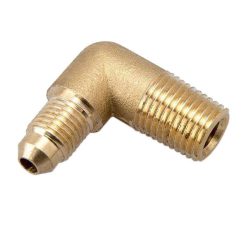
Net price: 3 €
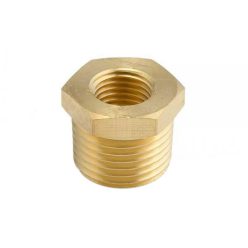
Net price: 3 €
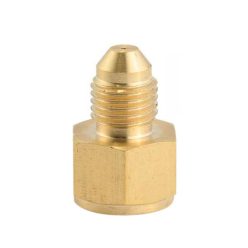
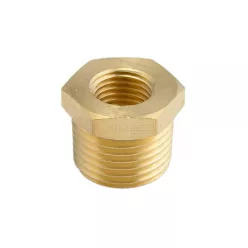
Net price: 3 €
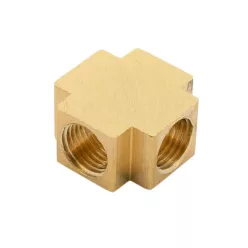
Net price: 3 €
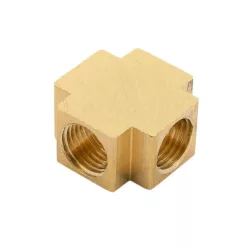
Net price: 3 €
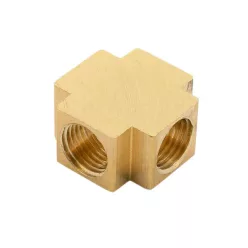
Net price: 3 €
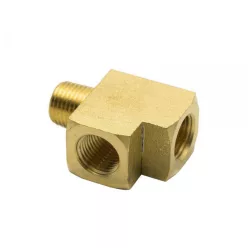
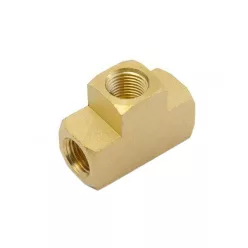
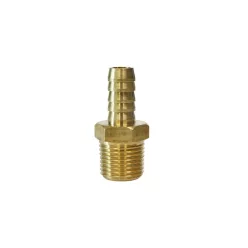
Net price: 3 €
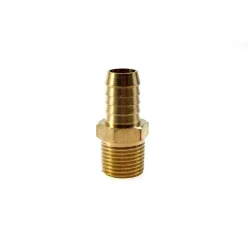
Net price: 3 €
Brass Adapters and Fittings (NPT/BSP/Metric/AN) – thread transitions for tidy routing, easier servicing and reliable sealing
Brass Adapters and Fittings (NPT/BSP/Metric/AN) helps when a component port and your plumbing standard do not match, and you want an adapter that fits correctly and seals predictably. Brass can be a practical material choice in many installs, but final suitability should always be judged by fluid, temperature and pressure in your specific system.
You will typically use this category for a union (union) join, a reducer transition, a tee (tee) take-off for a sensor/gauge, or a nipple (nipple) style joiner. The goal is not only “it threads in”, but that the correct thread and the correct sealing method are both satisfied.
Technical Basics
NPT is commonly a tapered thread, so sealing often happens on the thread itself and a suitable PTFE thread sealant may be used where appropriate. The key is to follow the sealing logic of the port, not a one-size-fits-all approach.
BSP typically appears as BSPP (parallel) or BSPT (tapered), and they do not always seal the same way. A parallel BSP port may rely on a face seal (washer/O-ring), while a tapered BSP thread may seal on the thread, so correct identification matters.
Metric threads require more than just a diameter check: pitch and the intended sealing face (cone/washer/O-ring) determine compatibility. If the joint uses an O-ring, O-ring material and condition can be as important as the thread itself.
AN style connections typically seal on a 37° flare seat, not on the thread. If an AN joint weeps, the sealing seat and the mating geometry are usually the first things to inspect.
Selection Criteria
Start by identifying the receiving port standard: NPT, BSP or metric, and record the full spec (diameter + pitch where relevant). “Looks like M12” or “it’s 1/8” is rarely enough for a leak-free choice.
Next, choose the function: union for a straight join, reducer for a size change, tee for a branch, or a nipple joiner to bridge two parts. Also consider servicing: spanner clearance and access often decide whether an otherwise-correct adapter is actually usable in the bay.
Finally, consider materials around the joint: mixing brass with aluminium or steel can introduce corrosion risk depending on environment and fluids. If the duty is high (heat/pressure/vibration), base the decision on product data and your system specification rather than assumptions.
Installation & Maintenance
Clean threads and sealing faces and start the thread by hand to avoid cross-threading. Use PTFE sealant only where the joint actually seals on the thread, and treat O-ring joints as O-ring dependent: damaged or pinched O-rings will leak regardless of torque.
After assembly, leak-check at operating pressure and ideally after heat cycling, because small weeps often show only once the system is hot. If you dismantle the joint, inspect and replace sealing elements (for example washers or O-rings) based on condition, not habit.
FAQ
Are NPT and BSP interchangeable?
Usually not, because thread form and sealing behaviour can differ. A connection that “goes in” may still leak and can damage the port threads. Always match the port standard before choosing an adapter.
What’s the difference between BSPP and BSPT?
BSPP is parallel and often relies on a face seal (washer/O-ring), while BSPT is tapered and may seal on the thread. They can look similar but behave differently in sealing. Confirm both the thread and the sealing surface on the component.
What should I verify on metric threads?
Verify pitch as well as diameter, and check how the port seals (cone/washer/O-ring). Two “same diameter” metric threads can have different pitches. The component spec is the safest reference.
Can I use PTFE sealant on every threaded joint?
No. AN flare joints typically seal on a 37° seat, not on the thread, so sealant is not the fix for a damaged seat. Use sealant only where the thread is part of the sealing method (commonly NPT).
What is a tee fitting used for in fuel/oil plumbing?
A tee provides a branch for a sensor, gauge or auxiliary line. Make sure the main flow path is not unnecessarily restricted and that each interface uses the correct sealing method. Plan access so the branch remains serviceable later.
Choose the correct thread standard and sealing method, then order the brass adapter that matches your ports.
