
Brake & clutch master cylinders are the heart of any hydraulic brake or clutch system, converting pedal force into stable hydraulic pressure. In this category you will find compact, remote-reservoir and tandem master cylinders in popular bore sizes from 0.625" to 1-1/16", suitable for performance street cars, race cars and hydraulic handbrake setups alike. Brands include Wilwood, Epman, MTUNING, Rally Design, OBP Motorsport and others.
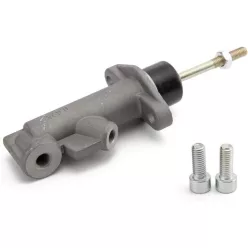
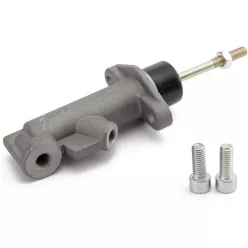
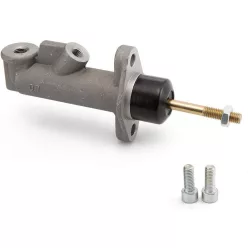
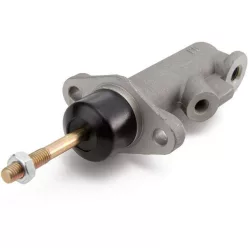
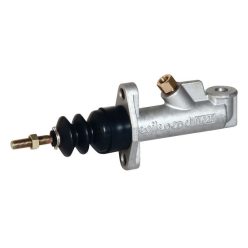
Net price: 61 €
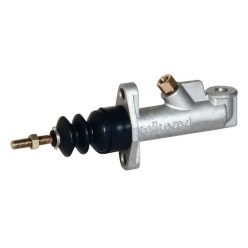
Net price: 61 €
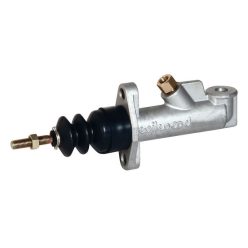
Net price: 61 €
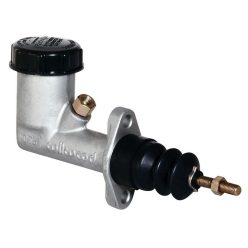
Net price: 53 €
Net price: 53 €

Net price: 53 €

Net price: 94 €

Net price: 94 €
Role in Brake and Clutch Systems
Brake & clutch master cylinders determine how pedal travel and force are translated into hydraulic pressure in the circuits. The right master cylinder specification gives you a firm, consistent pedal with predictable brake torque or clutch engagement, whether you drive on the road, compete in sprint races or use a hydraulic handbrake in drift and rally. Our range covers compact and tandem brake master cylinders, universal brake/clutch units and dedicated handbrake pumps so you can match the hardware to your build.
Technical Basics
The key parameter of any master cylinder is the bore size, typically listed in inches such as 0.625", 0.700", 0.750" or 1-1/16". Smaller bores generate higher line pressure for a given pedal force but require more pedal travel; larger bores reduce travel but demand more effort. Choosing the correct bore to match calliper piston area or clutch slave requirements is critical for a usable pedal.
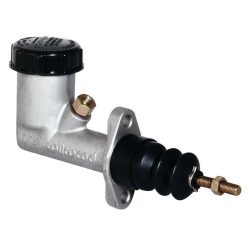
Within the category you will find compact Wilwood GS and Remote Reservoir cylinders, fully rebuildable aluminium bodies with E-coat or anodised finishes, as well as tandem units with dual outlets for split front/rear circuits. Universal brake clutch master cylinder designs with integral reservoirs can serve as either a hydraulic handbrake pump or a clutch master, using common 7/16" inlet and 3/8" outlet threads (AN-4/AN-3 compatible).
Specialised use cases include hydraulic handbrakes, where 0.625"–0.750" bores and short pushrod lengths (e.g. 75–90 mm) are common. Here, thread sizes like 7/16-20 (AN-4) inlets and 3/8-24 (AN-3) outlets simplify integration with braided lines and motorsport fittings, and dedicated brackets ensure secure mounting on handbrake levers.
Selection Criteria
Start by defining the system you are building or upgrading: OEM-style ABS brake system, race brake layout with adjustable bias, hydraulic handbrake loop or hydraulic clutch. For street cars, matching the OEM bore size is usually the safest starting point, preserving factory pedal ratio and effort. For race setups, you will want to calculate line pressure based on master cylinder bore, pedal ratio and calliper piston area to hit your target pedal feel and braking torque.
For handbrake use it is best to choose cylinders specifically designed as handbrake pumps, with appropriate bore, stroke and threaded ports. A smaller bore gives longer lever travel and higher pressure, while a larger bore shortens travel but increases required force—your choice depends on rear brake sizing and driving style.
Clutch master selection should consider the clutch release mechanism (fork and external slave, concentric slave cylinder, pull-type systems) and its stroke and force requirements. Oversized clutch masters tend to create a short, heavy pedal; undersized ones give a longer but lighter pedal and risk incomplete release if stroke is insufficient. Many universal brake/clutch cylinders include an integral reservoir or a remote-reservoir option for tight engine bays, making them ideal for swaps and custom builds.
Installation & Maintenance
When replacing a master cylinder, cleanliness and correct bleeding are essential. Protect paintwork from brake fluid, crack fittings carefully to avoid thread damage and, where possible, bench-bleed the new cylinder before installation. Once the unit is fitted, bleed the system in the recommended order—typically from the furthest caliper back—and ensure all fittings and hard-lines are leak free. Always use compatible Regularly inspect for signs of leakage around the master cylinder and clutch master: damp dust boots, fluid loss from the reservoir or a pedal that slowly sinks under constant pressure indicate seal wear. In such cases, rebuild or replace the cylinder promptly, especially on track-driven cars where temperatures and pressures are higher. Changing brake fluid at sensible intervals maintains boiling point and prevents internal corrosion, ensuring the new master cylinders deliver consistent performance over time. How do I choose the correct bore size for a master cylinder? Can a brake master cylinder be used as a clutch master? What are the typical symptoms of a failing master cylinder? Which bore size works best for a hydraulic handbrake? Is an alignment or other adjustment needed after changing the brake master cylinder?FAQ
As a starting point, match the OEM bore size if you are keeping standard calipers or clutch hardware. For custom brake systems, calculate line pressure based on bore size, pedal ratio and calliper piston area, or follow the recommendations of the brake kit manufacturer.
Many universal brake/clutch master cylinders are designed to work in either role, but stroke length and port layout still matter. Check that the stroke is sufficient for your clutch release mechanism and that the ports and threads are suitable for the lines you intend to use.
A spongy pedal that firms up when pumped, a pedal that slowly sinks under steady pressure, or visible fluid leaks at the cylinder are classic warning signs. Any of these indicate internal or external sealing issues and justify replacement or a quality rebuild.
Common choices are in the 0.625"–0.750" range: smaller bores give longer travel and higher pressure for a lighter pull, while larger bores shorten travel but require more effort. The ideal size depends on rear brake sizing, pad friction and how aggressively you use the handbrake.
Suspension geometry is unaffected, so no wheel alignment is required. However, overall brake balance may change if you move to a significantly different bore size, so test braking in a safe environment and verify front/rear bias and ABS behaviour before driving at speed.
