
A bolt-on wheel spacer for wheel-bolt cars sits between hub and wheel to move the wheel outward, while correct fitment still depends on accurate PCD and centre bore matching. This layout is used where the vehicle side follows a wheel-bolt fixing logic rather than studs and nuts.
On this subcategory page you can compare options intended for wheel-bolt fitment, so thickness, wheel backpad shape and overall mounting logic all matter during selection. Verify exact dimensions and specifications on the product card; in-stock items dispatch fast within the EU.
Before ordering, confirm you are choosing for a wheel-bolt vehicle and check that there is enough room around the brake, suspension and wheel arch; that simple step can reduce later vibration and rubbing.
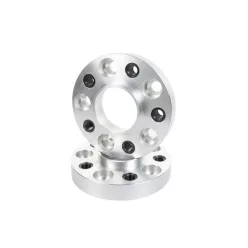
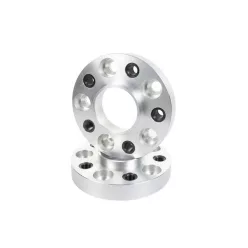
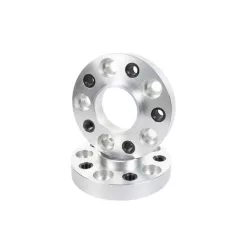
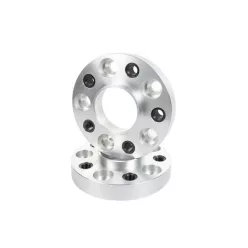
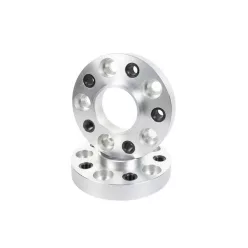
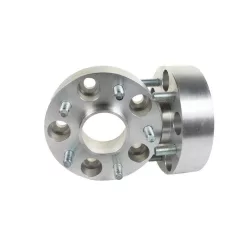
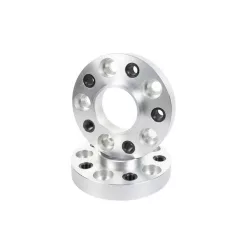
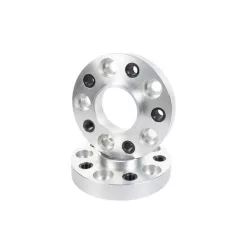
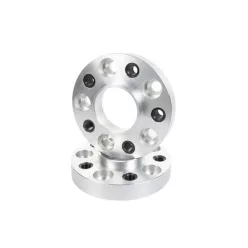
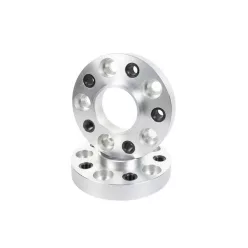
Bolt-On Wheel Spacers for Wheel-Bolt Fitment: Selection, Fitment and Installation
This hub-mounted spacer subcategory is useful when you want to move the wheel outward in a controlled way while keeping location, full mounting-face contact and wheel-bolt fixing logic in order. In this range, thickness alone is not enough; PCD, centre bore, wheel backpad shape and the vehicle’s original wheel-bolt layout all influence which part is worth considering.
Technical background and system integration
System role: A bolt-on spacer sits between hub and wheel, so it is not only about pushing the wheel outward. Flat contact faces, a correct locating lip and clean fitment all help the assembly behave more predictably under load and suspension movement.
- PCD: The bolt pattern must match on both the vehicle side and the spacer side, otherwise mounting alignment and contact quality can suffer.
- Centre bore: The stated mm size should be checked against both the hub and the wheel because it affects how the assembly locates.
- Thickness: The chosen depth changes inner brake clearance and outer wheel position at the same time, so both sides need to be assessed together.
- Wheel backpad: Rear pocket shape and flat mounting area on the wheel influence whether the spacer can sit and clear as intended.
Contact faces: Good results depend on the hub face, spacer face and wheel mounting face meeting cleanly, flat and without trapped debris or distortion.
How to choose the right one
Quick selection guide: First confirm that the car uses wheel bolts rather than studs and nuts, then identify the correct PCD, centre bore and a thickness that may create inner room near the brake or suspension without pushing the wheel too close to the arch on the outside.
- Fixing type: This subcategory is aimed at applications where the vehicle side follows a wheel-bolt fixing layout.
- Fitment: Check inner and outer clearance separately because a solution that works near the brake may still be too aggressive at the arch.
- Product card: Use the product page to verify PCD, centre bore, thickness and any construction notes before ordering.
- Wheel side: Review the rear mounting surface and pocket shape on the wheel to confirm there is enough room for clean seating.
If two similar options look close on paper, the exact product-card dimensions and the wheel’s rear shape usually decide faster than the category name alone.
Installation and failure-prevention tips
Preparation: Before fitting, remove rust, burrs, old paste and heavy coating build-up from the hub and wheel mounting faces, then test-fit the spacer dry so it sits fully flush.
Trial fit: Before final assembly, confirm that the centre bore and locating lip seat correctly, the wheel backpad does not interfere with the spacer design, and the wheel rotates freely.
Common issue: if rust, paint build-up or burrs sit between the hub and the spacer, the wheel may show light run-out, steering shake or a repeating rubbing noise. Re-check the mating faces, compare PCD and centre bore against the product card, and only refit on clean, flat surfaces.
Follow-up check: After first use, inspect the joint again, confirm free rotation and make sure clearance remains around the arch, suspension and brake areas.
PRO TIP: Do not only watch how far the wheel moves outward; also check where the tyre runs closest to the arch during steering lock, bump travel and loaded driving.
FAQ
What is the difference between wheel-bolt and stud-and-nut fitment?
The key difference is the vehicle’s original wheel fixing logic. On wheel-bolt cars, selecting the matching subcategory helps keep the mounting layout closer to the intended application.
How thick should I choose?
Start from real clearance rather than appearance alone. Brake caliper room, strut space, arch clearance, wheel offset and tyre width all influence which thickness is sensible.
What is the most common failure or installation mistake?
First check PCD, centre bore, wheel backpad design and free rotation. Then confirm arch clearance and perform a follow-up inspection after first use using the manufacturer’s procedure.
Is matching PCD enough?
No. Even when PCD matches, centre bore, locating lip geometry, thickness and the wheel’s internal shape may still differ, so the full fitment stack should be checked together.
How can I tell whether the wheel backpad is suitable?
Look for enough flat mounting area and any necessary rear pocket shape on the back of the wheel. If the rear profile is too tight, it can affect clearance and how cleanly the assembly fits.
