
A Basic Black wheel spacer (spacer kit) moves the wheel further outward while keeping the hub, mounting face and hardware checks in view. This category includes multiple PCD and centre-bore options in a black finish, so you can narrow the selection by fitment rather than colour alone.
Do not choose by thickness only: check the centre bore, PCD, seat type and whether the selected line includes its own bolts or related hardware. Use the filters first, then open the product card to confirm the exact fitment details and mounting notes.
Before installation, inspect the wheel back-pad pockets and the hub lip to make sure there is still support for hub location and proper seating. Verify exact dimensions and specifications on the product card; in-stock items dispatch fast within the EU. Match the hardware length and seat profile to the chosen thickness.
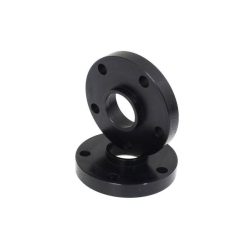


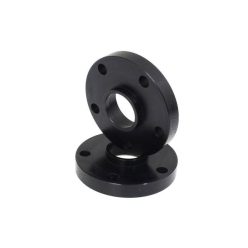
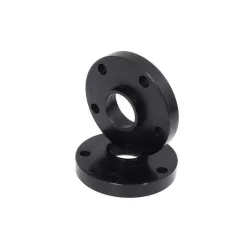
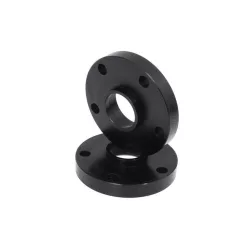
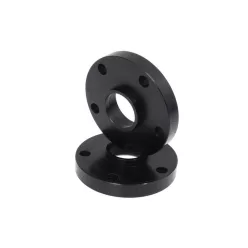
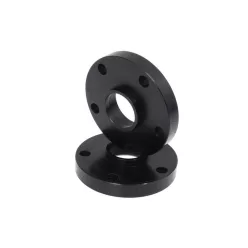
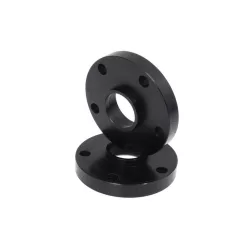
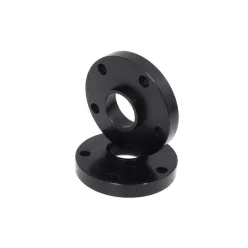
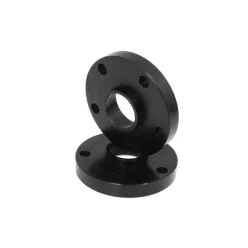
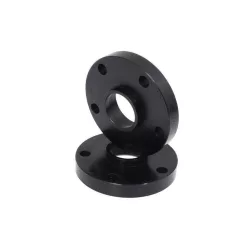
Basic Black Wheel Spacers: Fitment, Hub Support and Wheel Position
This category brings together Basic Black spacer parts used as black wheel spacers to move the wheel outward while keeping the hub-to-wheel relationship, mounting-face contact and hardware logic under control. The right choice here is not only about stance, but also about accurate fitment.
Technical background and system integration
A wheel spacer changes wheel position, but it should do so without turning the hardware into the only support point. That is why thickness, centre bore, PCD, wheel back-pad shape and hub lip geometry all work together to create hub location support.
On road and track-style builds alike, the joint should continue to sit evenly after heat cycles and repeated loading, so clean contact faces, the correct seat profile and proper thread engagement matter more than generic rules. Much of the result comes down to the mounting face.
- Thickness: Different mm options may change wheel position, hardware length needs and wheel back-pad clearance.
- PCD: The bolt pattern must match the vehicle exactly; a similar-looking pattern is not a substitute for the correct one.
- Centre bore: Hub and spacer work best together when the locating lip genuinely supports the wheel.
- Hardware: Check seat type, thread pitch and whether the chosen item includes related fixing parts.
How to choose the right one
As a quick selection guide, lock in the factory PCD and centre bore first, then choose the thickness you want, and finally confirm the seat profile and included hardware on the product card. In this category, fitment checking matters just as much as the mm value itself.
With thinner and thicker options alike, check how much room the wheel back-pad leaves for the hub lip and whether there will still be suitable thread engagement after installation. If the wheel pockets are shallow or the locating lip is relatively long, test fitting becomes especially important.
Within this category, the product card is the most reliable decision point because it shows thickness, centre bore, PCD and mounting notes together in one place.
Installation and failure-prevention tips
Before final assembly, clean the hub face, the wheel mounting surface and the thread area, then do a dry test fit. On a mechanical joint, a clean thread, the maker's tightening procedure and a gradual criss-cross tightening sequence matter more than any universal figure.
Common failure: if rust, paint residue or burrs remain between the mating faces, or if the centre bore, seat profile or hardware length are not matched correctly, the wheel may not sit evenly and you can end up with vibration or slight eccentric running. Clean contact faces, a trial build and an inspection after the first heat cycle help prevent that outcome.
After the first drive, recheck the joint in the same sequence and look for witness marks, unusual polishing or any abnormal sign on the contact faces. Early reinspection often reveals a doubtful setup before it turns into a larger issue.
PRO TIP: Before fully tightening the assembly, rotate the wheel by hand and confirm that the back of the wheel, the brake area and the hub-lip zone all keep normal working clearance.
FAQ
What is the most common failure or installation mistake?
Use this inspection order first: clean mounting faces, correct centre bore, correct seat profile, enough thread engagement, then a free hand rotation check once assembled. If any point is uncertain, stop the installation and verify the product-card details against the hub and wheel you are using.
What is the difference between around 13 mm and 15 mm options?
A thicker spacer can change wheel position more visibly, but it may also change hardware needs and wheel back-pad clearance. That is why the decision should include both stance and the way hub support and contact-face seating are maintained.
How do I know whether I need different wheel bolts or related hardware?
That depends on spacer thickness, thread type and what is included with the selected line. Always confirm the package contents on the product card and compare the original seat profile with the hardware intended for the new setup.
Why do centre bore and wheel back-pad pockets matter so much?
Because the spacer and the wheel must leave room for the hub lip while still allowing proper seating on the mounting face. A wheel can look compatible on paper and still need an additional check if the rear pocket depth is limited.
What should I inspect after the first drive?
Review the tightening sequence again, inspect the contact faces for unusual marks and pay attention to any vibration or change in steering feel. If anything looks or feels unusual, remove the wheel and inspect the full fitment stack again before further use.
