
An auto racing suit (race suit) is a key layer between driver and cockpit: it helps manage heat load, supports movement and forms part of a regulation-based kit. Here you’ll find track, rally and time attack options with a strong Sparco focus.
Check the FIA/SFI marking, cut and seated fit so shoulders, hips and knees can move cleanly; sleeves or torso length that look fine standing up may feel wrong in the seat. Verify exact dimensions and specifications on the product card; in-stock items dispatch fast within the EU.
Use filters by size, price and availability, then open the product page to confirm fitment, cut and homologation details.
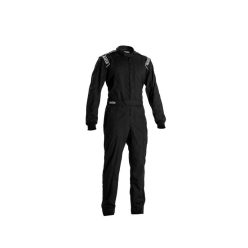
Net price: 211 €
Net price: 157 €
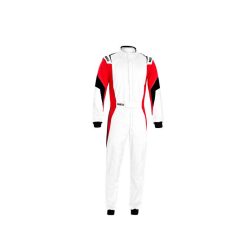
Net price: 505 €
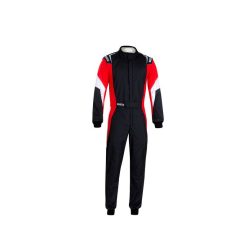
Net price: 505 €
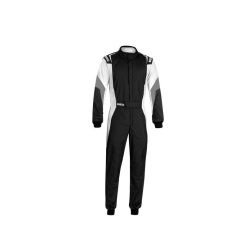
Net price: 505 €
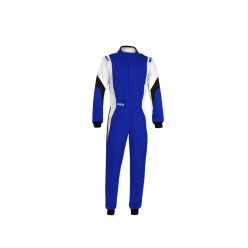
Net price: 505 €
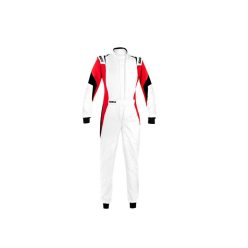
Net price: 505 €
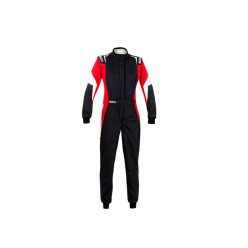
Net price: 505 €
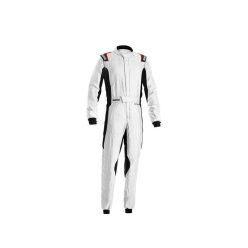
Net price: 1 226 €
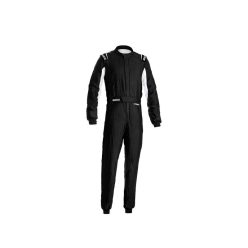
Net price: 1 226 €
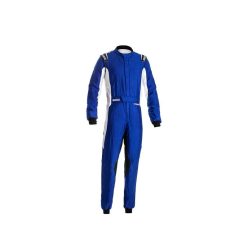
Net price: 1 226 €
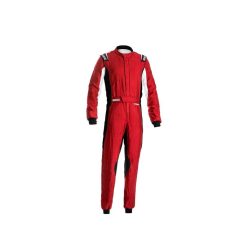
Net price: 1 226 €
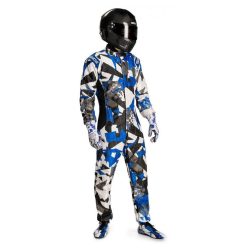
Net price: 1 273 €
Auto Racing Suits - Layered Construction, Seated Mobility and Checkable Homologation
Motorsport suits, often searched as race suits, work best when the cut remains clean in the seat, the layer build matches the intended use, and the homologation shown on the product page fits the rules of your series. Here, size, cut and marking usually matter more than colour alone.
Technical background
Material build: Many motorsport suits may use aramid (for example Nomex-type) shell and lining materials, yet layer count, panel layout and lining construction vary by model. That can affect heat feel, flexibility and how easy the suit is to wear over a long day.
Homologation: This category may include FIA-marked suits and, on some models, SFI-marked options. Always compare the event regulations with the exact product card, because certification and intended use can differ even within one brand.
- Cut: Pre-curved arms, stretch panels and waist shape matter most once you are belted in and reaching for the wheel.
- Size range: Adult, ladies' and on some models junior sizing may appear, so everyday clothing size is only a starting point.
- Details: Cuffs, collar, zip cover and seams under harness contact all influence comfort and layer management.
- Brand focus: If you are mainly looking at Sparco, compare cut name and homologation together, because suits from the same maker can feel quite different in use.
Quick selection guide
Use case: Track days, sprint, rally and hillclimb can call for different compromises; choose around driving position, underwear layering and the rule set you actually run under.
Race Suits gives you the broader suit range first if you want to step back, compare the full line, then narrow down to auto racing use.
Fit logic: Check height, chest, waist, hips and inside leg together. A suit can look tidy standing up, but the real test is whether it still leaves clean movement at the shoulder belt, elbow and upper thigh when seated.
- Ladies' fit: A dedicated ladies' cut may change more than size alone, especially through waist and hip proportions.
- Junior fit: For younger drivers, current body proportions and seat position matter more than buying extra room for later.
- Product page: Confirm homologation, colourway, available sizes and whether the item is stocked or ordered to request.
Use, fit and care
First fitting: Try the suit on with underwear, seated and belted in if possible. Do not only check whether it closes; check where the material starts to pull or bunch during steering reach, knee bend and shoulder rotation.
Typical issue: Too much body volume, short rise or the wrong shoulder width can create bunching, harness pressure points and tiring movement even when the suit seems acceptable while standing.
Where the range is still growing, it is usually better to decide from homologation, cut and size run first, especially if the category is likely to expand with more auto racing models later on.
Care: Follow the maker's care label first; after an event, let the suit air out fully, store it dry, and inspect cuffs, zip, seams and labels before the next outing.
PRO TIP: If you are between sizes, do not judge by chest alone; seated rise and shoulder freedom often decide which option remains manageable over longer stints.
Frequently asked questions
Which homologation should I check for an auto racing suit?
The rule book for your series or event is the deciding reference, not the brand name on its own. Confirm the exact FIA or SFI marking on the product page before you buy, because one manufacturer can list several intended uses.
What is the difference between FIA and SFI marking?
They are different homologation systems, so acceptance depends on the event or championship regulations. Match the rule set to the marking shown on the product page rather than relying on the product name alone.
Is everyday clothing size enough to choose the right suit?
It is useful as a starting point, but not enough by itself. In an auto racing suit, seated harness use, inside leg length, hips and underwear layering together determine the real fit.
What should I check if the suit feels wrong once I sit in the car?
Check shoulder belt tension, pull at the upper thigh, trouser leg lift at the ankle, sleeve shortening at the wrist and whether the zip stays straight. Do the fitting with steering reach, harness tension and ideally the underwear layer you plan to use.
How should I clean and store a racing suit?
Use the care label and the manufacturer's instructions as your first reference. Store the suit only when fully dry, avoid leaving sweat or moisture in the fabric, and inspect seams, labels and closures from time to time.
Narrow your selection by size and fitment, then add the right option to your basket.
