
Audi TT RS 8S Performance Tuning Kits are selected Forge Motorsport upgrades for TT RS 8S (2017+) models, focusing on charge-air cooling, intake-side airflow and reliable boost management. You’ll find an intercooler, a carbon induction kit, inlet/turbo inlet parts, an oil catch can and useful fitting solutions for monitoring or auxiliary setups.
Filter by adaptor (Stock/TTE), driver side (LHD/RHD) and tape options, sort the list, then open each product card to confirm the exact part number and fitment. Select your configuration and place the order.

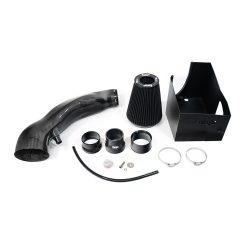
Net price: 800 €
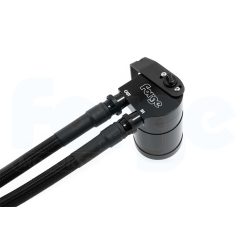
Net price: 370 €
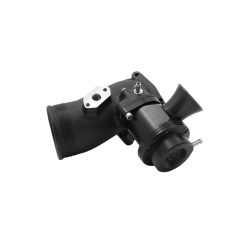
Net price: 538 €
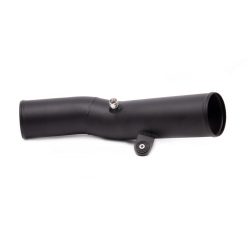
Net price: 285 €
Net price: 1 568 €
Net price: 271 €
Audi TT RS 8S Performance Tuning Kits – targeted upgrades for lower temps, better flow and stable boost control
This category brings together TT RS 8S (2017+) focused Forge Motorsport parts designed to keep performance more consistent under repeated load, whether you drive fast on the road or do the occasional track day.
Typical goals include reducing heat soak, improving intake-side airflow, keeping boost behaviour predictable between shifts, and limiting contamination returning through the intake tract.
Because several items have configuration choices (for example Stock vs TTE625/TTE700/TTE777 adaptors, LHD/RHD variants and tape options), always confirm the exact spec on the product page before checkout.
Technical Basics
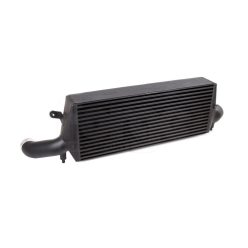
The FMINT11 intercooler uses a large 640×250×100 bar-and-plate core, described as 56% more surface area and 94% more volume than stock. The description also notes integrated end-tank pipework intended to retain the factory-style boost hoses, which can simplify plumbing.
The FMINLH8 inlet hard pipe is described as replacing a restrictive plastic inlet by increasing the inlet bore from 70 mm to 89 mm outer diameter. It’s positioned for use with the standard airbox and can pair well with a panel filter if you want a subtle, OEM-style setup.
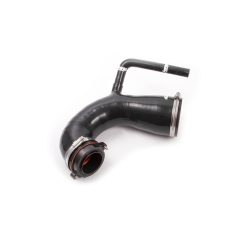
For the turbo inlet side, FMINLH9 is a multi-ply silicone turbo elbow described as having 60% more volume than the stock elbow, with selectable Stock or TTE adaptors. Selecting the correct driver side (RHD/LHD) and heat protection option is a practical fitment step, not just a preference.
The FMINDK47 carbon induction kit is described as modular, using a 4” (102 mm) threaded billet interface that tapers to a large 6” pleated filter. The text highlights that packaging differs between LHD and RHD cars, so verify space and matching couplers for your exact layout.
For monitoring or auxiliary installs, FMBGFK18 is described as a billet boost tap adaptor with two extra ports, including one that accepts a 1/8” NPT fitting for water-meth injection. It’s also described as reversible (no permanent OE modification), which is useful if you want a clean installation path.
The FMCT3 catch can is described as capturing oil deposits, unused fuel vapours and moisture before they return to the intake. This is typically chosen as a longevity/cleanliness upgrade, especially when planning more advanced tuning.
The FMDV7 high flow valve is described as being developed for setups in excess of 450 hp, addressing limitations of the OEM solenoid-style valve at higher boost levels. Correct fitment and servicing matter as much as the airflow benefit if you’re chasing reliable behaviour between shifts.
Selection Criteria
If your priority is temperature control, start with FMINT11 because intake air temperature often becomes a limiter even at stage 1. The product text includes dyno-style examples in bhp and °C, but real results vary with ambient conditions, hardware condition and calibration.
On the intake side, decide between an OEM-style approach (FMINLH8 with the factory airbox) or a full-flow FMINDK47 induction kit. If you expect a turbo change later, choosing parts that align with your intended turbo inlet connection can prevent re-buying couplers.
For FMINLH9, the key decision is the adaptor (Stock vs TTE625/TTE700/TTE777), followed by LHD/RHD. Treat tape options as heat-management choices: higher under-bonnet temperatures and extended pulls can make heat protection more relevant.
Auxiliary items (boost tap, valve, catch can) should be chosen by need: boost gauge signal, water-meth readiness, or intake cleanliness. Use engine-code checks like DAZA/DNWA as a starting point, then confirm the product’s fitment notes for your exact car.
Installation & Maintenance
Intercooler installation is typically a bumper-off job; the FMINT11 description mentions a 3–4 hour install time with supplied instructions. After reassembly, check clearances and do a boost-leak inspection under load.
With inlet and turbo elbow parts, correct clamp placement and torque are essential: too loose can cause boost leaks, too tight can damage couplers or outlets. Re-check after a heat cycle because silicone and metal expand differently.
A catch can needs periodic draining and inspection; collected fluid amount changes with temperature and driving profile. For boost tap and NPT fittings, prioritise sealing and correct thread standards (for example 1/8” NPT) to avoid small leaks that can cause inconsistent behaviour.
FAQ
Which intercooler fits the Audi TT RS 8S (2017+)?
The intercooler listed in this category is FMINT11 for the 8S platform. The product text specifies a 640×250×100 core and mentions the crash bar solution as part of the package. Check model year and exact fitment notes on the product page before ordering.
What do Stock / TTE625 / TTE700 / TTE777 adaptor options mean?
The adaptor option indicates which turbo connection the inlet elbow is designed to match: Stock factory or a specific TTE upgrade. If you’re unsure which turbo is installed, confirm via documentation or the installer. Choosing the wrong adaptor can compromise fitment and sealing.
What is a boost tap and why is 1/8” NPT mentioned?
FMBGFK18 is described as adding ports for a boost gauge feed and for a 1/8” NPT fitting, commonly used for water-meth injection plumbing. The description also states it can be installed without permanently modifying OE parts. Always verify sealing and use the correct fittings for the thread standard.
When is a catch can worthwhile on a TT RS 8S?
The FMCT3 catch can is described as capturing oil and vapours that would otherwise return through the intake. It’s typically chosen to reduce deposits and keep the intake tract cleaner over time. It can become more relevant as boost and sustained load increase.
Why consider a high flow valve above 450 hp?
The FMDV7 description focuses on higher-power setups where the OEM valve may struggle with airflow demands between shifts, potentially triggering issues. The intent is more consistent boost control behaviour under high load. Confirm fitment and follow servicing guidance for long-term reliability.
Open the product page, select the right options, and place your order for the TT RS 8S setup you’re building.
