
The AN-6 Hoses, Fittings & Hose Ends category covers AN-6 (Dash 6) parts for automotive and industrial lines where consistent sealing and serviceable routing matter. You will typically find angled hose ends, joiners/unions and threaded transitions to help you build oil, fuel or air lines with a tidy layout. For the full size range and related adaptor types, open AN Hoses, Fittings & Adapters. Use filters and sorting, then open the product card to confirm exact dimensions and compatibility. Choose the right AN-6 items and place your order.
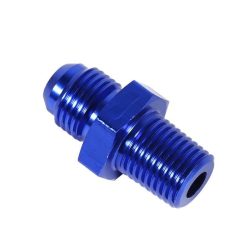
Net price: 4 €


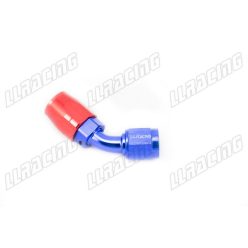


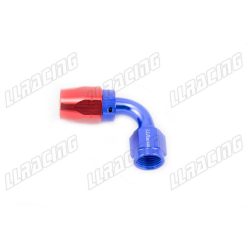
Net price: 12 €
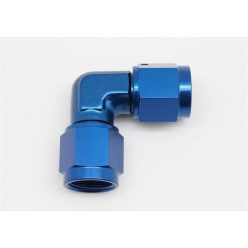
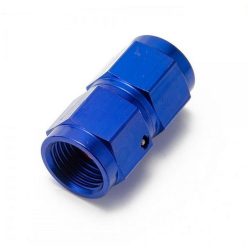
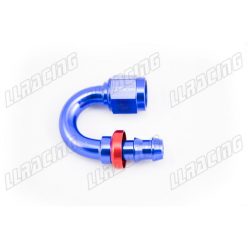
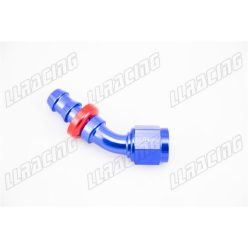
AN-6 Hoses, Fittings & Hose Ends – Dash 6 routing with stable sealing, clean packaging and service-friendly joints
AN-6 (Dash 6) is a practical size when you need a balance of packaging and capability in a medium to high-pressure line. In this size you will typically build a complete route from hose ends and unions to threaded transitions, keeping joints accessible for inspection and maintenance. Final fitment should always be decided by the product’s stated thread and sealing method, not by dash size alone.
A good AN-6 layout avoids stress on the fitting, avoids tight bends right behind the hose end, and keeps the line properly supported against vibration. Selecting the right geometry (straight, 45°, 90°, 120°, 150° or 180°) is often the difference between a tidy, durable route and a line that slowly loosens or chafes. Quick warning: for oil or fuel plumbing, any sign of seepage should be treated as an immediate fault-finding task.
Technical Basics
Most motorsport-style assemblies use AN/JIC 37° flare sealing, where the cone is the sealing surface rather than the thread. On AN-6 joints, clean, undamaged cone/seat faces are essential for a dry connection. Quick warning: 37° flare components are not interchangeable with 45° flare systems, and mixing them is a common cause of leaks.
Threaded transitions are common when AN needs to interface with another port standard, such as NPT or metric threads. In those cases the sealing concept may change (tapered thread seal, washer, O-ring), so choose an adaptor only when the product clearly states how it seals. Quick warning: do not apply sealant to flare sealing faces.
In AN-6 you may also see unions (female-to-female), straight joiners (male-to-male), and barb-style ends for conventional rubber hose clamping. These options can be useful in mixed systems, but the hose material, clamp method and operating conditions must match the design intent. Quick warning: an assembly that “fits” mechanically may still be unsafe if the sealing method is wrong for the application.
Selection Criteria
Start by defining what the hose end needs to connect to, then build the rest of the run around that interface: unions, joiners and any required transitions. Dash 6 angle selection is key in tight bays, where a 45° or 90° exit can reduce bend stress and improve spanner access. Quick warning: never force alignment by twisting the hose or pulling the line into place.
When multiple standards meet, thread and sealing checks prevent most issues. Confirm the receiving port thread, the sealing method (flare cone vs tapered thread vs washer/O-ring) and whether a fitting uses a swivel nut, which can help alignment during final tightening. Quick warning: if threads do not start smoothly by hand, stop and re-check the match to avoid cross-threading.
Durability is mainly about routing and support: keep clearance from sharp edges, clamp the line so vibration does not load the fitting, and plan abrasion and heat protection where needed. If you use a barb-style end for a rubber hose section, treat clamp choice and periodic inspection as part of the design. Quick warning: unsupported lines can chafe through over time even if the flare joint is correct.
Installation & Maintenance
Good assembly starts with cleanliness: after cutting a hose, remove debris and keep the bore clean before fitting the hose end. Protect AN/JIC 37° cones from scratches and tighten evenly with the correct tools, avoiding overtightening that can distort sealing faces. Quick warning: “tighten harder” rarely fixes a damaged seat—inspect and replace the affected part if needed.
After installation, perform a staged pressure test and re-check every AN-6 joint after the first heat cycle. Route the line away from heat sources and add clamps where movement could cause chafing, using heat shielding where radiant heat is unavoidable. Quick warning: any fuel smell or visible dampness should be treated as an immediate inspection point.
For ongoing checks, look for residue at joints, loosening, and rubbing marks on the hose outer. If a cone/seat is scratched or threads are damaged, replacing the fitting is typically safer than trying to “torque past” the problem. Quick warning: preventative inspection is cheaper than repairing the consequences of an oil or fuel leak.
FAQ
What is AN-6 (Dash 6) typically used for?
AN-6 is often used where you want tidy routing with a balance of size and practicality, for example oil, fuel or air line sections depending on operating conditions. Suitability depends on pressure, temperature and the port standards you need to mate to. Always confirm thread and sealing type on the product page.
Why can a 37° flare joint leak after assembly?
Common causes include contamination, a scratched 37° cone/seat, mixed standards (37° vs 45°), or incorrect tightening. Clean and inspect the sealing faces and confirm both parts share the same standard. If the seat is damaged, replacement is usually the reliable fix.
Which hose end angle should I choose in AN-6?
A 45° or 90° hose end can reduce bend stress and improve access in tight spaces, while a straight end works well on simple, accessible routes. The goal is a route without twist and without a tight kink behind the fitting. If the hose is being forced, change the geometry or add a better mounting point.
Do I need thread sealant on AN fittings?
Usually not, because AN/JIC joints seal on the cone, not on the thread. Sealant can be appropriate on NPT tapered threads if the product specifies it, but it should not be applied to flare faces. Using sealant on the cone can prevent proper seating and cause leaks.
What should I watch for with barb-style AN ends for rubber hose?
Barb ends rely on the correct hose size and clamp method, so choose parts that match the hose’s inner diameter and intended operating conditions. Inspect periodically for movement, weeping or hose damage, especially near heat and vibration. If you are unsure, select components explicitly specified for your use case.
Filter by geometry and thread, verify specifications on the product page, and order the AN-6 parts that match your build.
