
The Aluminium Hardline Hoses & Fittings category is for rigid fuel line builds where you want a clean route and a stable connection under heat and vibration. Typical hardline setups use a tube nut and sleeve to secure the tube end to the correct thread and flare standard. For the wider range of sizes, hose ends and adaptors, you can also browse AN Hoses, Fittings & Adapters. Use filters and sorting, then open the product page from the title to confirm exact size and compatibility details. Choose the right option and add it to your basket.
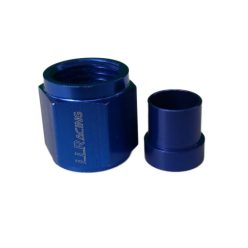
Aluminium Hardline Hoses & Fittings – for tidy rigid fuel lines, reliable joints and lightweight routing
This category helps when you are building a hardline (rigid) fuel delivery route using aluminium tube, and you need matching fittings that hold the tube end securely. Compared with fully flexible hoses, a rigid line is easier to support with clamps and can keep a consistent path through the chassis or engine bay. The goal is simple: a leak-free connection and predictable service access during track use or daily driving.
Technical Basics
AN/JIC 37° flare connections are common in motorsport plumbing, typically sealing on the metal-to-metal cone rather than on an O-ring. With hardline, a typical construction is a tube nut plus sleeve arrangement, often offered in sizes such as AN6, which grips the prepared tube end and mates to the flare seat. A frequent cause of leaks is mixing standards, so do not confuse 37° flare parts with 45° flare systems.
Hardline work depends on proper tube preparation: square cutting, deburring and cleaning, then forming the tube end with the correct tool as specified by the manufacturer. Always confirm both the tube’s outer diameter (OD) and the fitting thread, because “AN size” alone does not describe every dimension on hardline parts. Quick warning: use sealant only where it is intended (for example on NPT tapered threads if specified), not on flare sealing faces.
Fuel systems add extra constraints: compatibility with petrol blends (including ethanol), cleanliness, and vibration control. Hardline fittings can be an excellent solution for custom fuel lines, but the final pressure and application limits should be checked against the product’s datasheet. Quick warning: for brake or clutch hydraulics, use only components the manufacturer explicitly rates for that purpose.
Selection Criteria
Sizing starts with the required flow and routing, then you pick a system size such as AN6 based on your build plan. Next, match the receiving ports on pumps, filters or rails by verifying the exact thread and flare type, because an adaptor or union may be needed elsewhere in the system. Keeping one consistent standard across the whole line reduces fitment mistakes.
Tube choice matters just as much as the fitting: the tube OD, wall thickness and bend radius affect how easily you can route and support the line. A well-supported rigid pipe reduces vibration-induced wear and helps prevent chafing against bodywork. Quick warning: do not “pull” a rigid tube into alignment at the fitting; adjust the route and add proper mounting points instead.
In many motorsport builds, hardline is ideal for longer chassis runs, while a short flexible section (for example PTFE hose) is used where the engine moves relative to the chassis. The key is choosing the right transition between hardline and hose end components so the sealing method stays consistent. If any detail is unclear, rely on the product page dimensions and manufacturer notes before assembly.
Installation & Maintenance
Start with clean tube ends: cut square, deburr, rinse out swarf, then slide on the tube nut and sleeve before forming the end as required. Assemble the joint smoothly and evenly, and avoid overtightening, which can damage sealing surfaces. Quick warning: if the flare seat or cone is scratched, replace the damaged part rather than trying to “tighten it out”.
After installation, do a staged leak check: pressurise gradually, inspect each joint, and re-check after the first heat cycle or test drive. Support the line with clamps to prevent movement, and keep it away from sharp edges and high-heat sources where possible. Maintenance is mostly visual: look for weeping, loosening, abrasion marks or fuel smell, and address issues immediately.
FAQ
What are aluminium hardline fittings used for?
They are commonly used for fuel line builds with rigid aluminium tube where you want stable routing and serviceable connections. Suitability depends on the system pressure and the manufacturer’s specifications for the exact part. Always confirm the tube OD and fitting standard before purchase.
Hardline vs braided hose: which should I choose?
Hardline is rigid and easy to clamp neatly, while braided hose is flexible and better where movement is expected. Many builds combine both: hardline for longer runs and short hose sections near moving components. Keep the same flare standard and thread logic across the whole setup.
What does AN6 mean on hardline tube nut and sleeve parts?
AN6 identifies a common size class, but you still need to match the tube’s outer diameter and the fitting’s thread and seat type. Check the product page for the exact tube size it is designed for. If you are unsure, verify against manufacturer documentation before cutting tube.
Do I need PTFE tape on AN/JIC hardline connections?
Usually not, because the 37° flare seat is the sealing surface. Sealant may be appropriate on NPT tapered threads if the manufacturer specifies it, but it should not be applied to flare faces. Incorrect sealing practices can cause leaks or damaged seats.
How do I prevent leaks on a hardline build?
Prepare the tube properly (square cut, deburr, clean) and assemble without forcing alignment. Pressure-test in stages and re-check after the first heat cycle. Secure the line with clamps to reduce vibration and chafing.
Narrow your selection by size and compatibility, then add the right hardline parts to your basket.
