
The Airride Valves category includes 5/3 type 2-way control valves from METALWORK and PNEUMAX, as well as the Drain Valve for Tank - M22x1,5mm. These pneumatic components handle filling and dumping of your airride circuits and allow safe draining of the air tank. A well-chosen valve block is crucial for system response time, reliability and everyday usability of your air suspension.
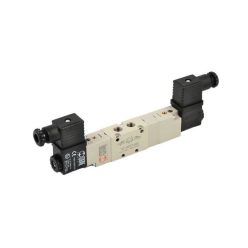
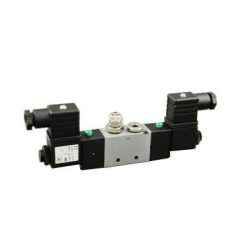
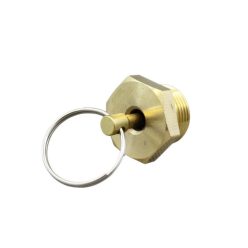
Airride valves – precise control over airflow
Airride Valves are the components that direct compressed air where and when it is needed in your suspension. This category features two main 5/3 type 2-way valves (METALWORK and PNEUMAX), ideal for controlling front–rear or dual-circuit airride setups, plus the Drain Valve for Tank - M22x1,5mm for safe tank draining. Industrial-grade valves provide consistent switching behaviour, repeatable response and long service life, even in demanding street and show car use.
Technical Basics
The term 5/3 type valve means the valve has five ports and three operating positions. In a 2-way configuration each valve typically handles both inflation and deflation of a single circuit, so a pair of such valves works well for separate front and rear airride circuits. The 1/4" threaded ports can be combined easily with 6/4 mm air lines and matching fittings, providing adequate flow for quick height changes. METALWORK and PNEUMAX valves are built for industrial environments, with internal construction designed for high cycle counts and stable operation.
The Drain Valve for Tank uses an M22x1.5 thread to mount at the bottom of the air tank, allowing you to release both condensate and air. This valve is essential for preventing corrosion and winter freezing, as water collects inside any air tank over time. All valves must be rated for the maximum pressure and temperature used in your system, and the solenoid coils need to match the vehicle electrical system (typically 12 V). Warning: never exceed the manufacturer’s stated working pressure, as it can lead to failure and unsafe behaviour.
Selection Criteria
When choosing an airride valve, start by considering how many circuits you want to control. A simple front–rear layout often needs just two 5/3 type 2-way valves, while four-corner setups require more complex valve blocks or multiple units. Connection size is also important: 1/4" ports pair well with common airride fittings and offer good flow without making the hardware too bulky.
Think about where the valve block will be mounted: in the boot next to the tank, hidden in the body or under the car. Shorter line runs can improve response time, while a clean, logical layout makes troubleshooting easier. For the tank drain, check that the M22x1.5 thread matches your existing tank boss, and use an appropriate adapter if needed. Warning: using low-quality or incorrectly specified valves can compromise the whole system, leading to leaks, slow operation or unpredictable behaviour.
Installation & Maintenance
During installation of Airride valves, cleanliness is critical: burr-free cuts on air lines and clean threads help prevent contamination entering the valve internals. Mount the valves firmly on brackets or panels to avoid vibration-induced fatigue, rather than letting them hang on the lines. When wiring the solenoid coils, use suitable cable sizes, fuses and relays, especially if several valves will operate at once. Position the tank drain valve so it can be accessed easily from below or the side after depressurising the system.
For maintenance, periodically check valves and connections for leaks using a soapy water spray, and monitor system behaviour over time. If the car slowly drops on one axle while parked, or if height changes become inconsistent, this can indicate valve or connection issues. Use the drain valve more frequently in autumn and winter to remove condensate from the tank and reduce freeze risk. Warning: if you hear irregular clicking, sticking noises or experience unresponsive valves, stop using the system normally until the root cause has been identified.
FAQ
What does a 5/3 type valve mean in an airride system?
A 5/3 type valve has five ports and three positions (for example fill, hold and dump). This configuration allows precise control of one or two air circuits while maintaining safe pressure when the valve is centred. It is a common choice in compact air suspension layouts.
What is the purpose of a tank drain valve?
The Drain Valve for Tank lets you release water and air that collect at the bottom of the air tank. Without draining, moisture causes rust and, in winter, can freeze and damage valves or lines. Regular draining is therefore essential for the long-term health of your airride system.
How many valves does a basic airride setup need?
A straightforward front–rear airride setup typically uses two 5/3 type 2-way valves, one for each axle. More advanced four-corner control usually requires either a dedicated valve block or multiple individual valves. The exact configuration should match your controller and desired functions.
Can I use cheap industrial valves for airride?
Some industrial valves can technically work, but many are not optimised for automotive vibration, contamination and temperature swings. Checking pressure rating, seal materials, coil voltage and general robustness is vital. Choosing valves recommended for automotive or air suspension use is normally safer.
What should I do if one corner of the car slowly sinks?
If a corner or axle of the car drops over time, this often points to a leaking valve or connection. Start by leak-testing the valves and nearby fittings with soapy water, then check bags and lines. If you cannot trace the problem, professional diagnosis is recommended before regular use.
